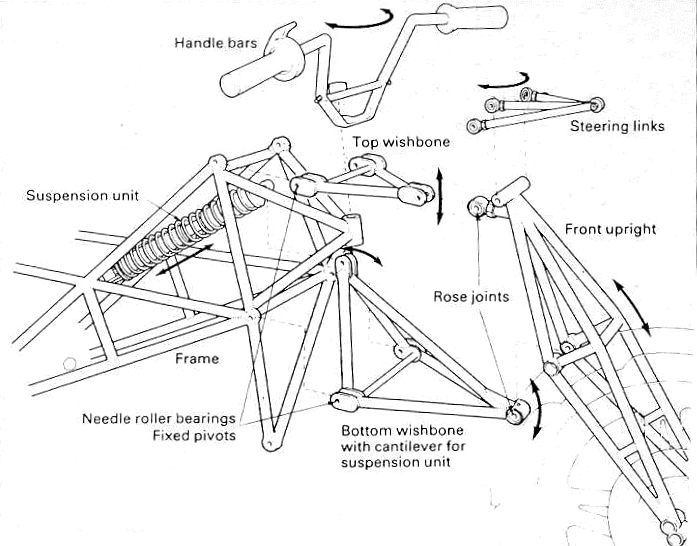
A link to Norman Hossack's website
I've accumulated enough photos and other information on Norman's projects that I decided to consolidate them in one spot. Most of the material (especially the period snapshots) was provided either by Norman or by Steve and Michael Burge in the UK, the owners of Hossack #3 who also race a TM-engined single that uses many of the chassis components of #3. A few items are from "an unknown source on the Internet".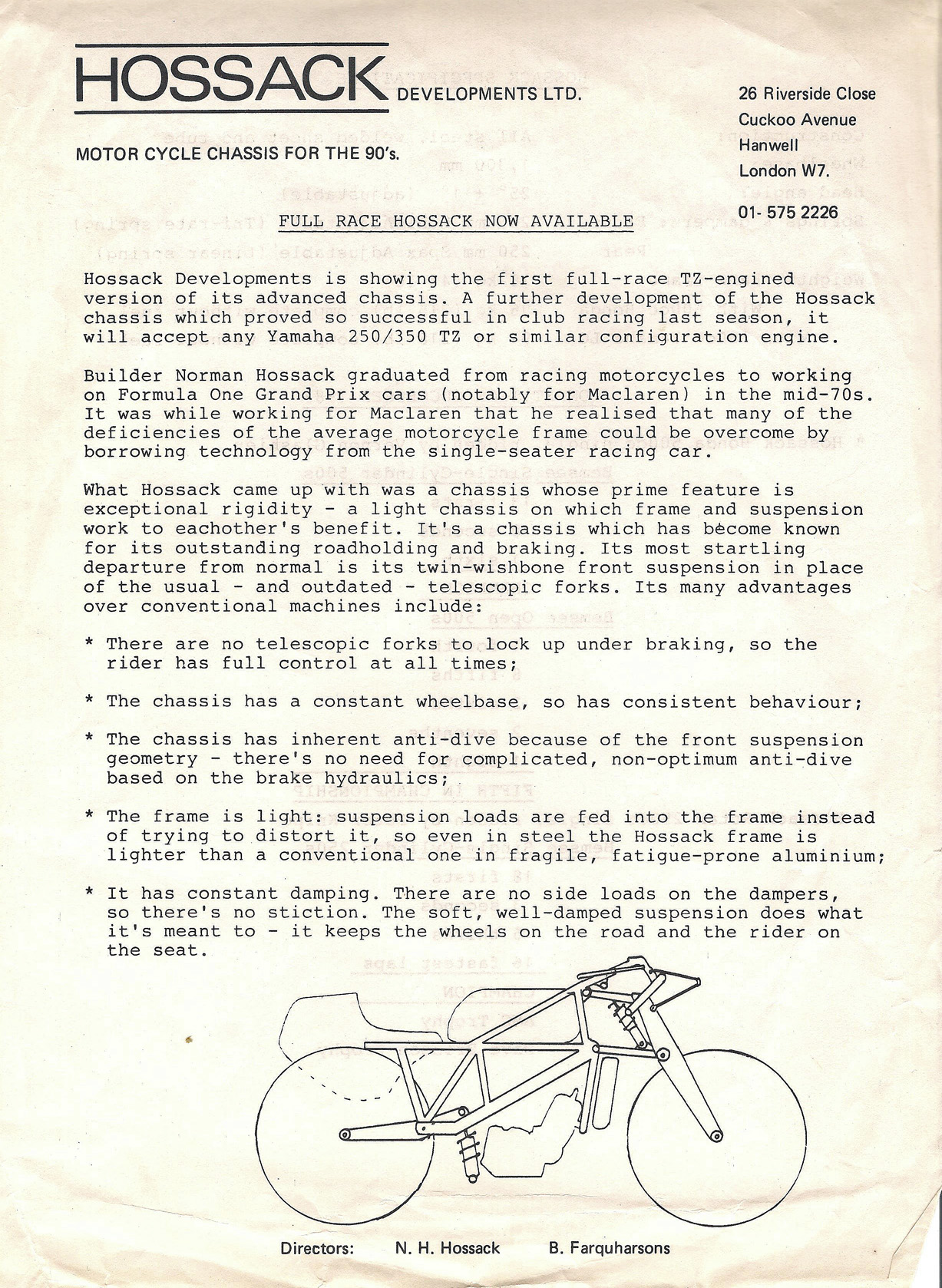 first page of Hossack
sales brochure
first page of Hossack
sales brochure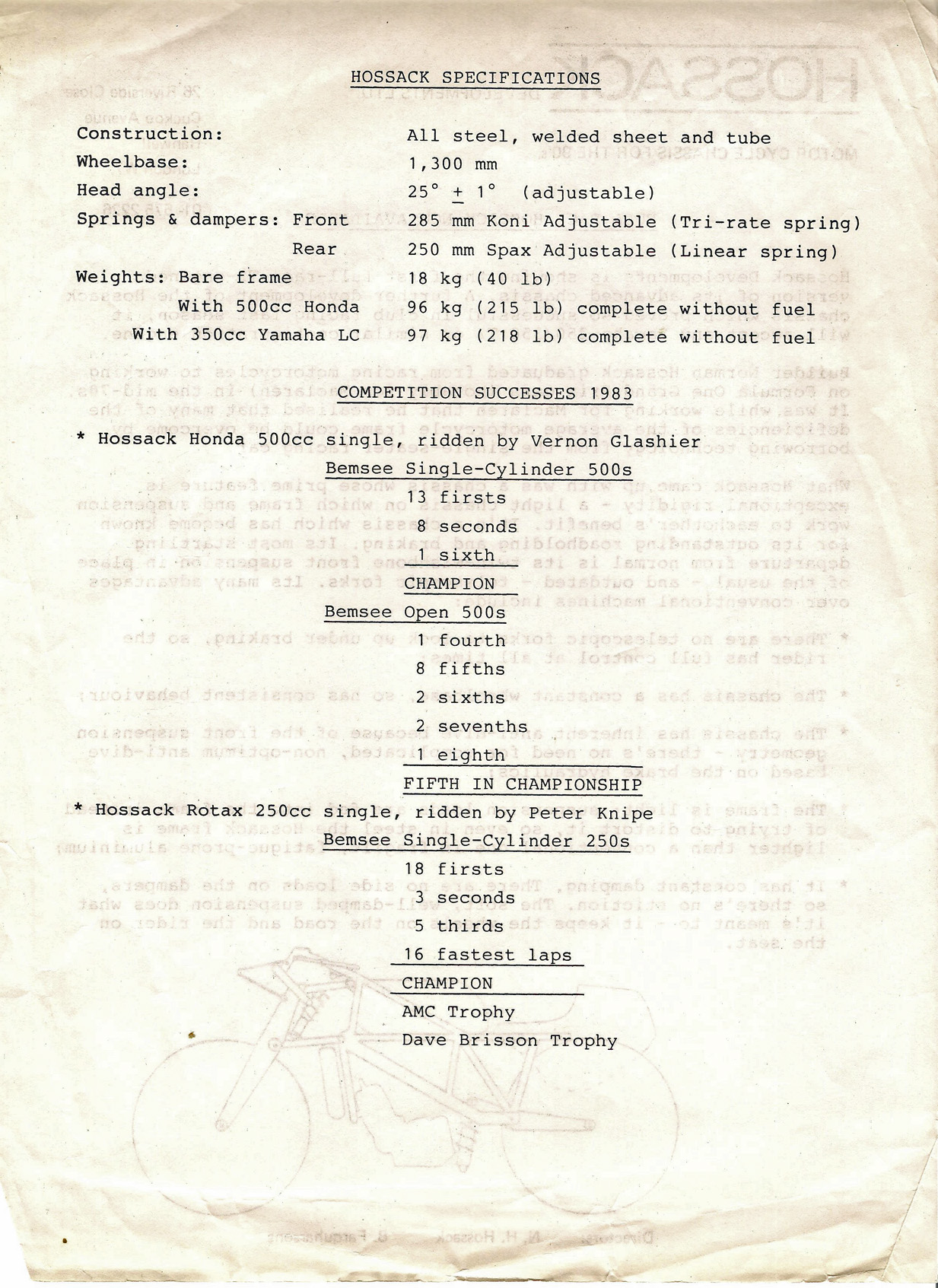 second page of Hossack
sales brochure Hossack #1 -- drawing
second page of Hossack
sales brochure Hossack #1 -- drawing
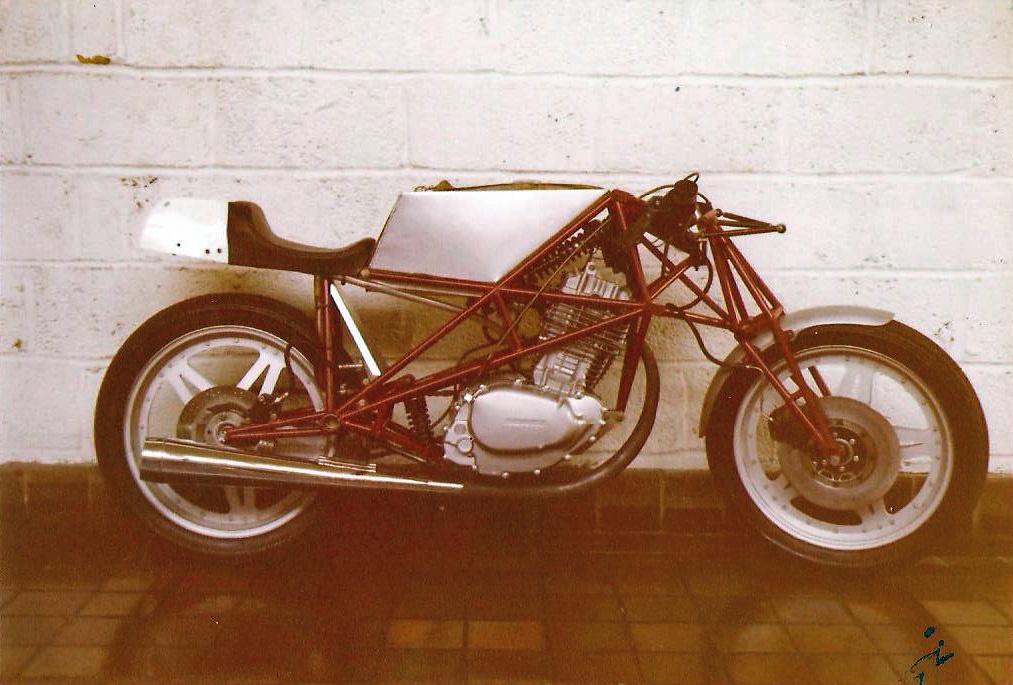 Hossack #1
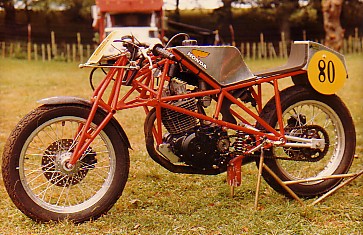 NOT Hossack #1
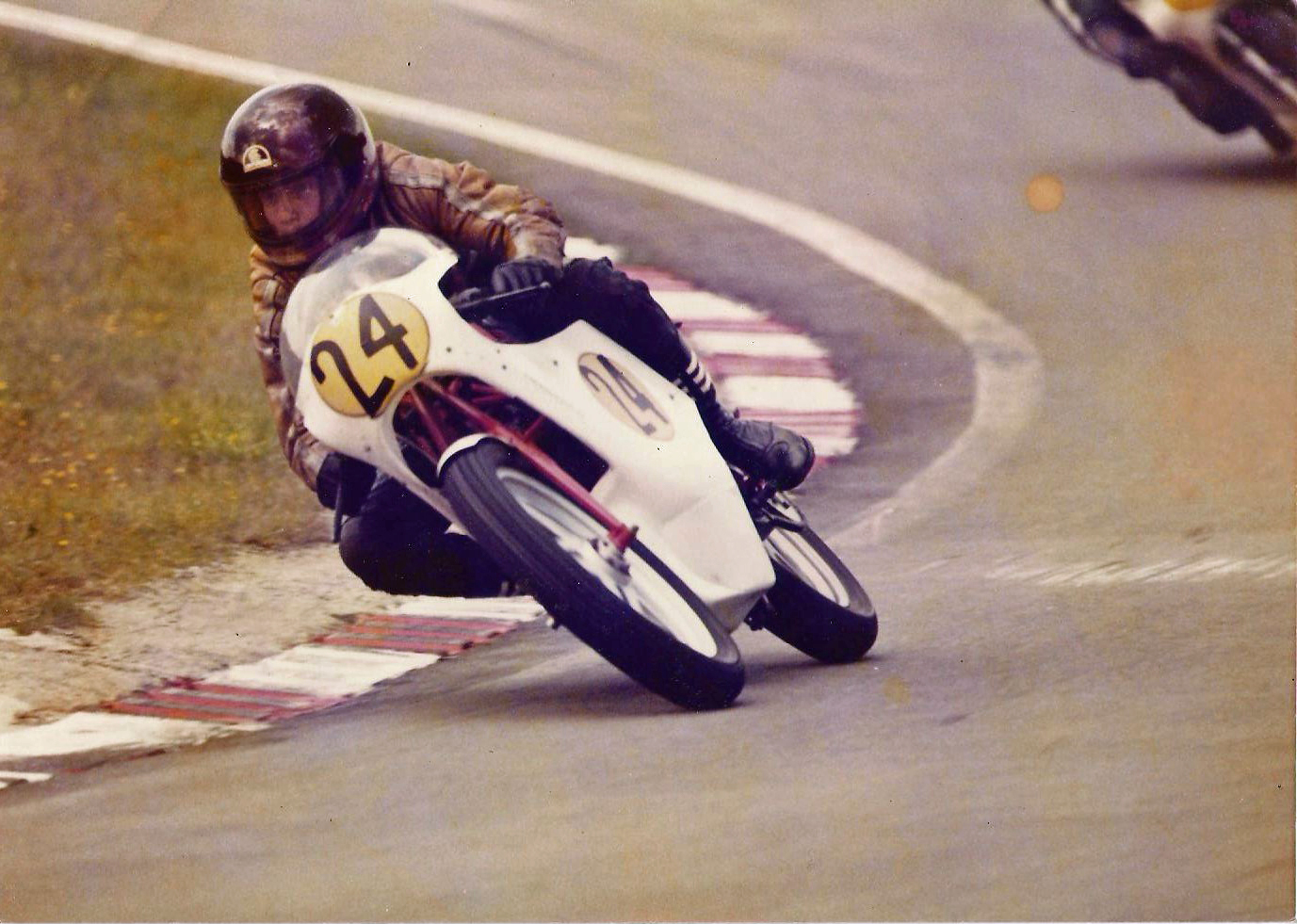 Hossack
#1
Hossack
#1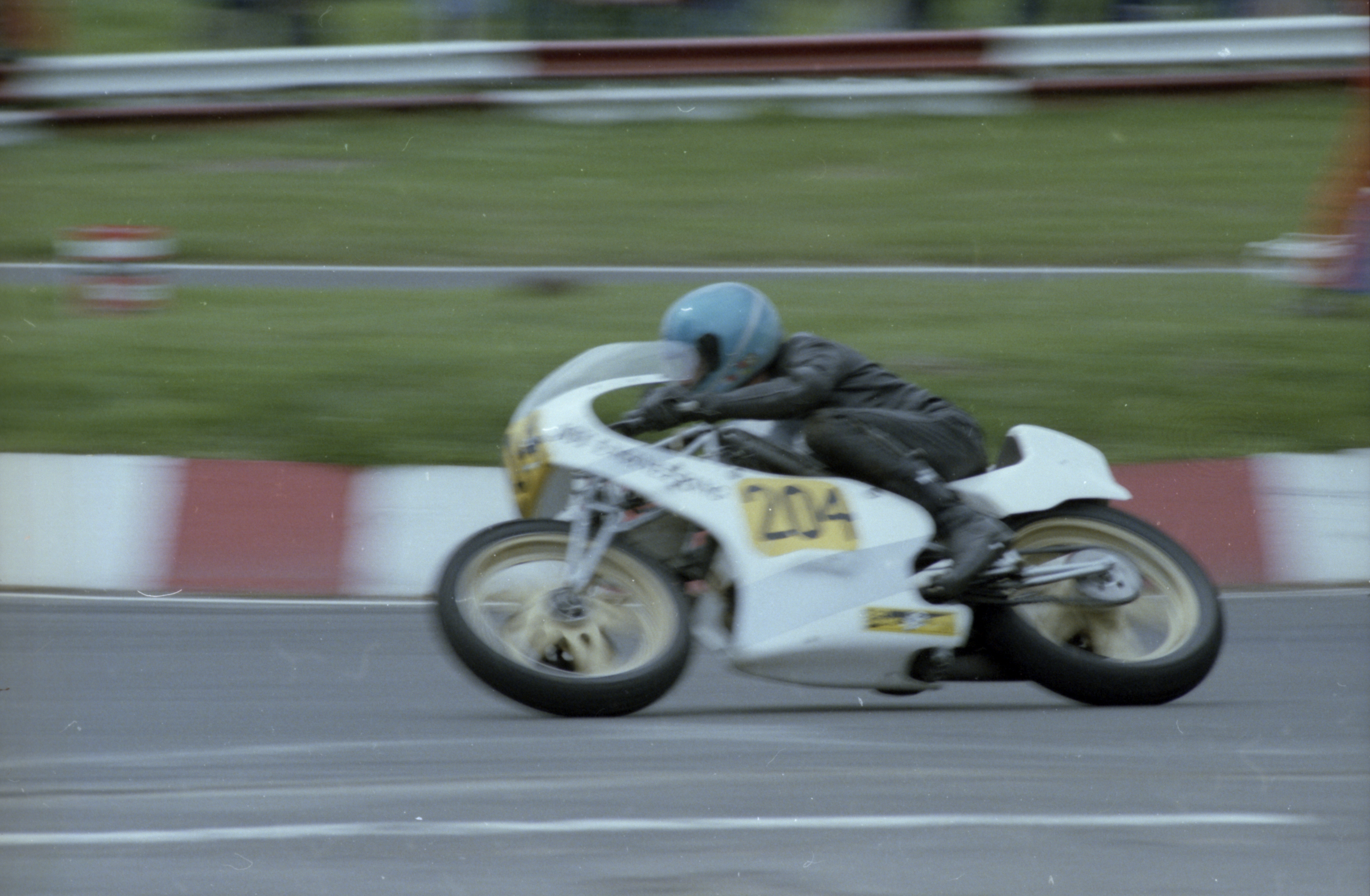 Hossack
#1 -- Vernon Glashier
Hossack
#1 -- Vernon Glashier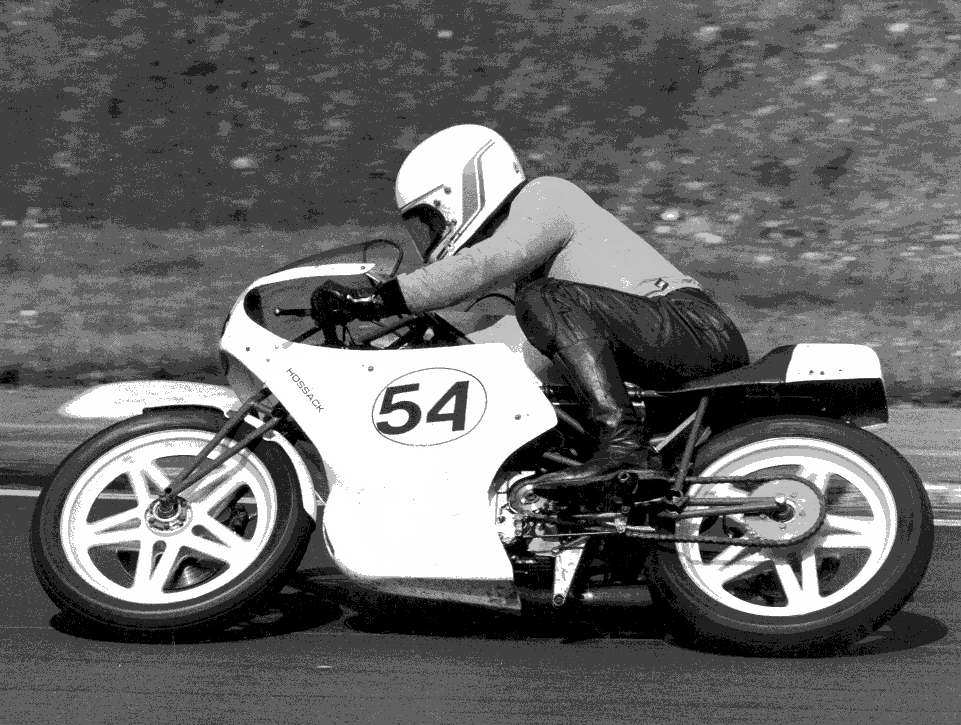 Hossack
#1 -- Norman Hossack at Brands Hatch in 1982
Hossack
#1 -- Norman Hossack at Brands Hatch in 1982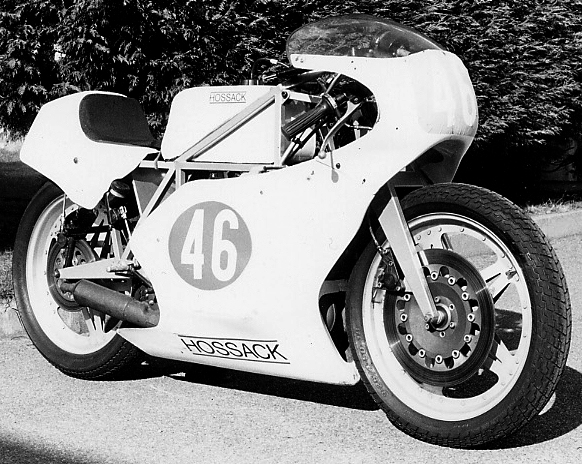 Hossack #3
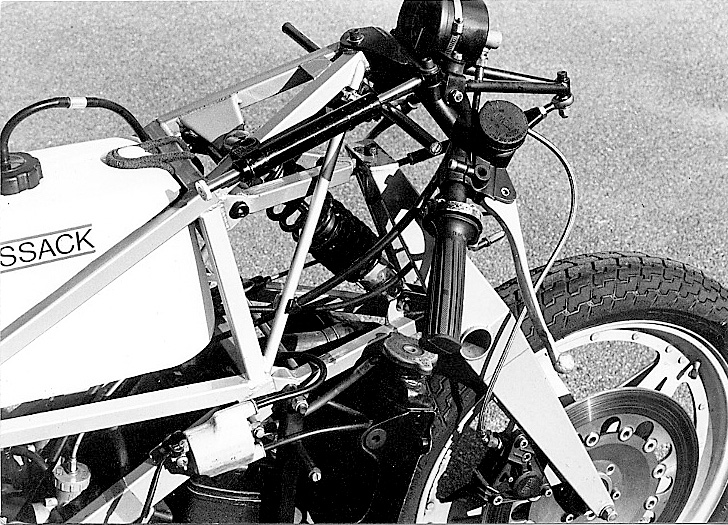 Hossack #3
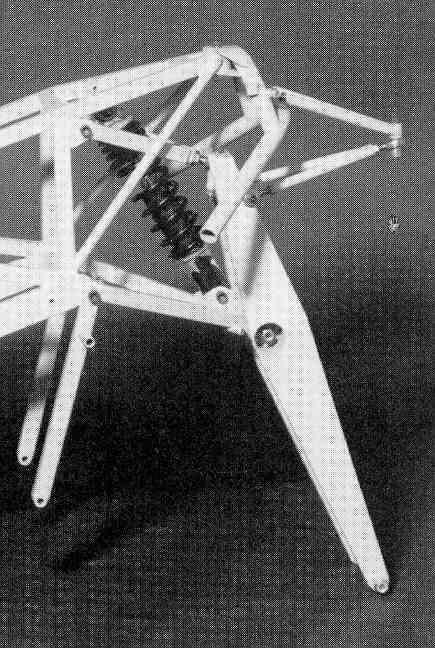 Hossack #3
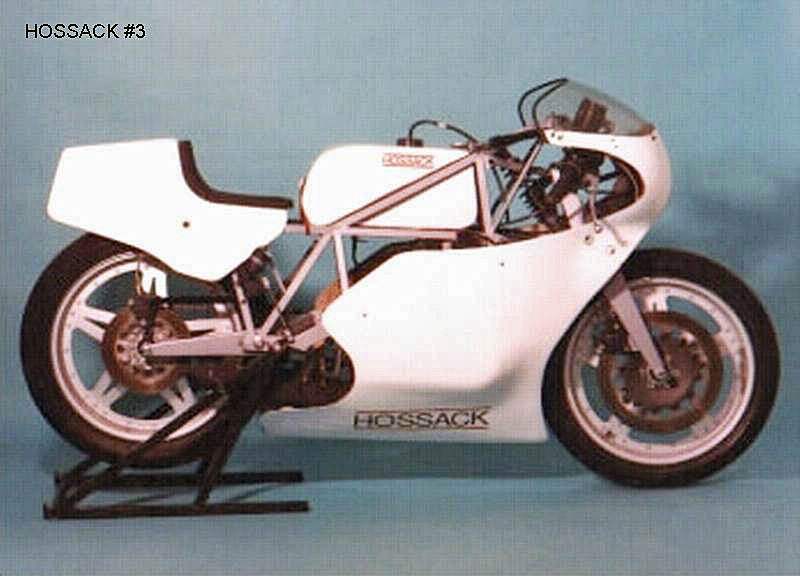 Hossack #3 with
fairing
Hossack #3 with
fairing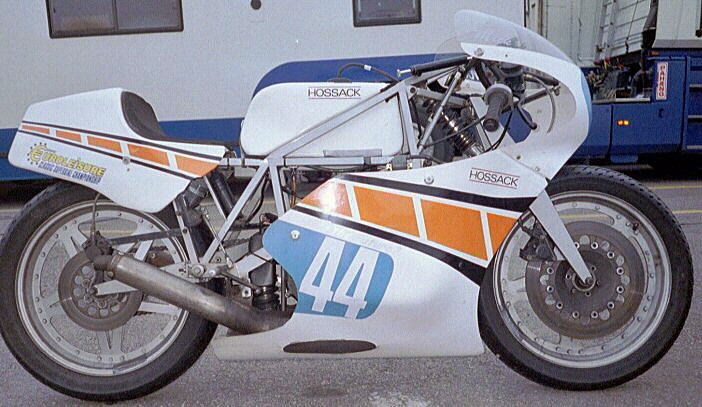 Hossack #3 after
the Isle of Man TT -- Mallory Park
Hossack #3 after
the Isle of Man TT -- Mallory Park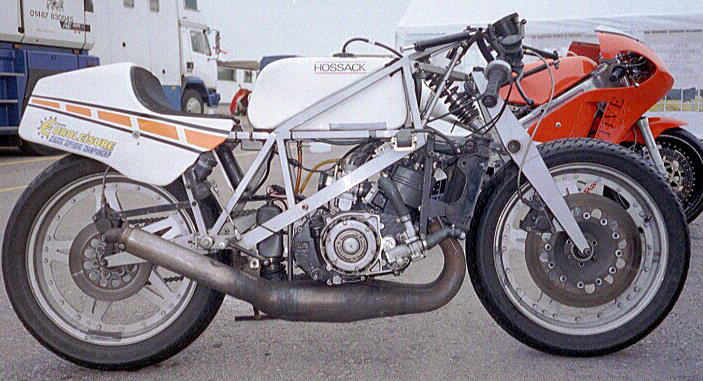 Hossack #3 after
the Isle of Man TT -- Mallory Park
Hossack #3 after
the Isle of Man TT -- Mallory Park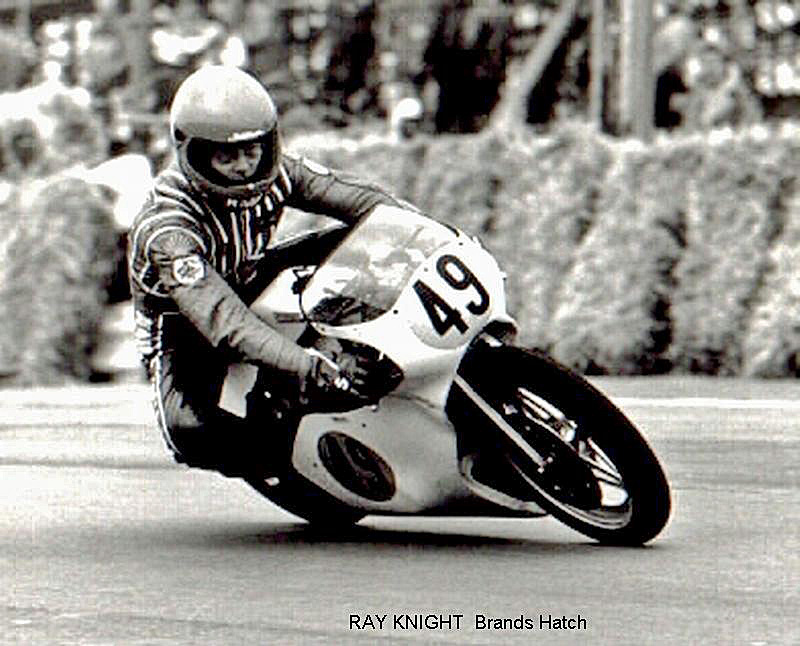 Ray Knight on
Hossack #3 at Brands Hatch
Ray Knight on
Hossack #3 at Brands Hatch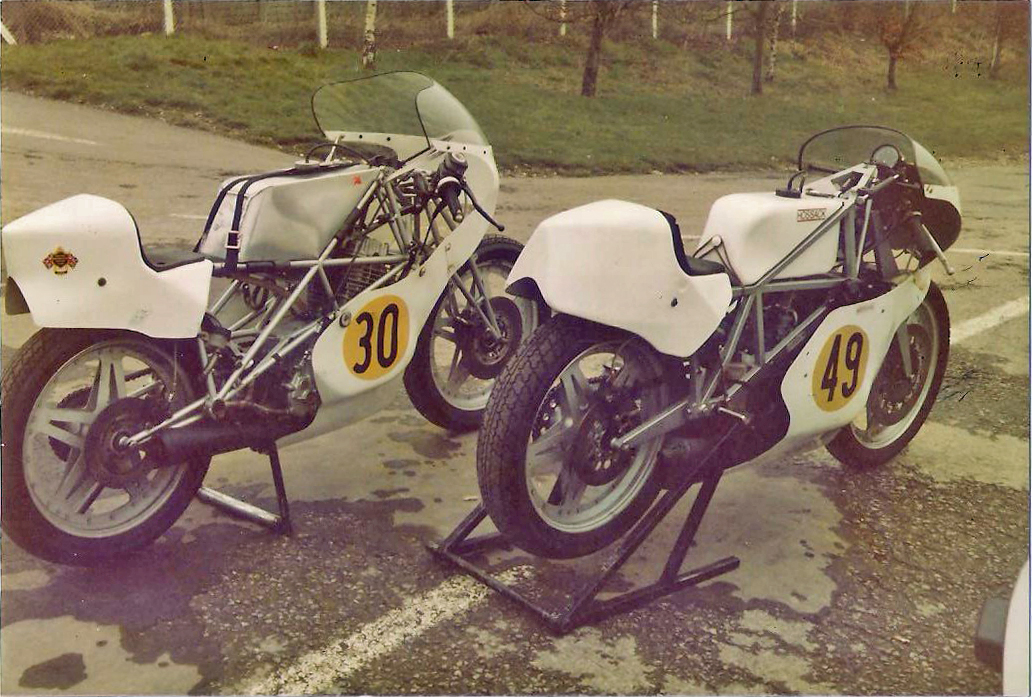 Several
Hossacks
Several
Hossacks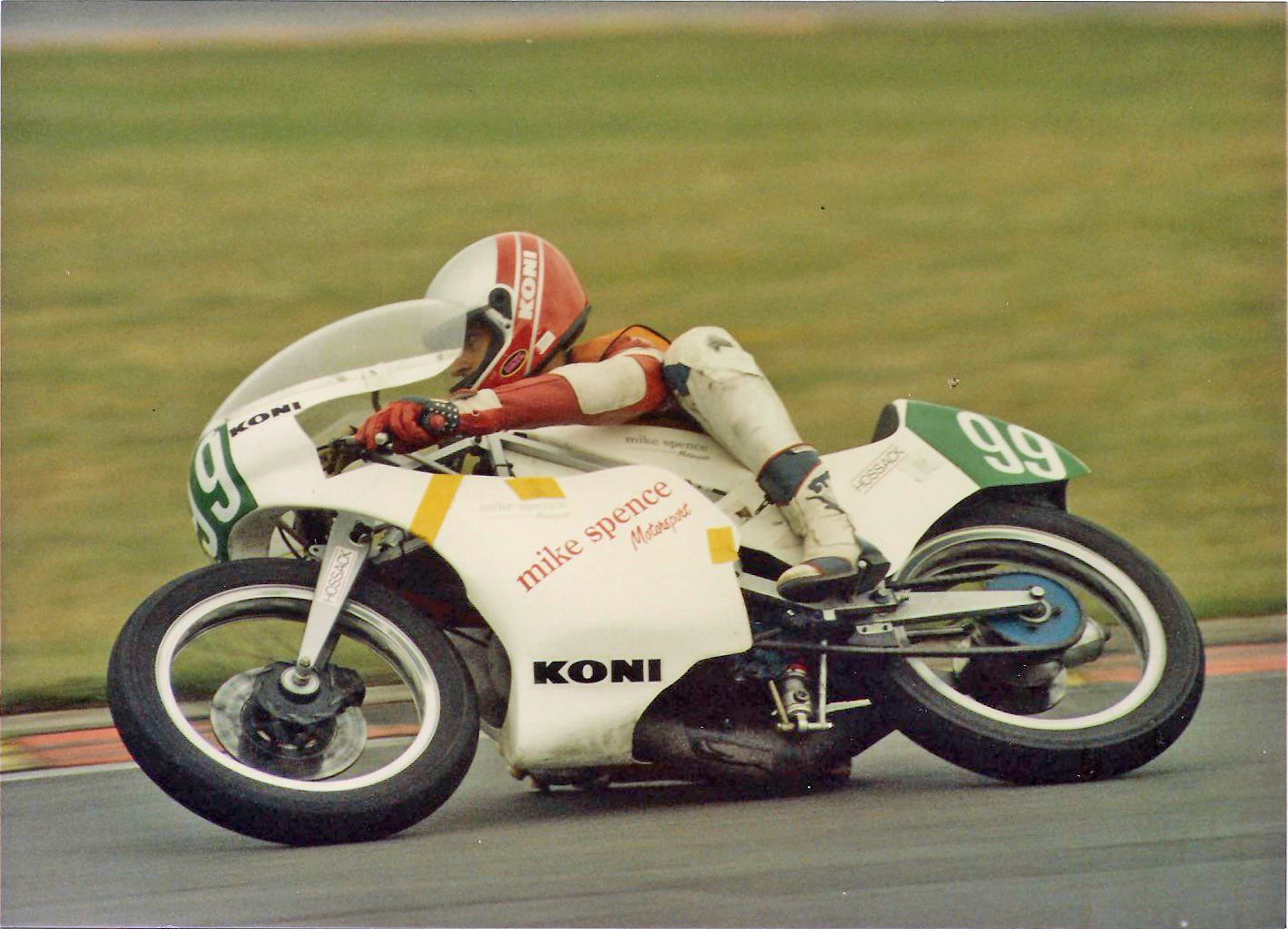 Hossack
on track
Hossack
on track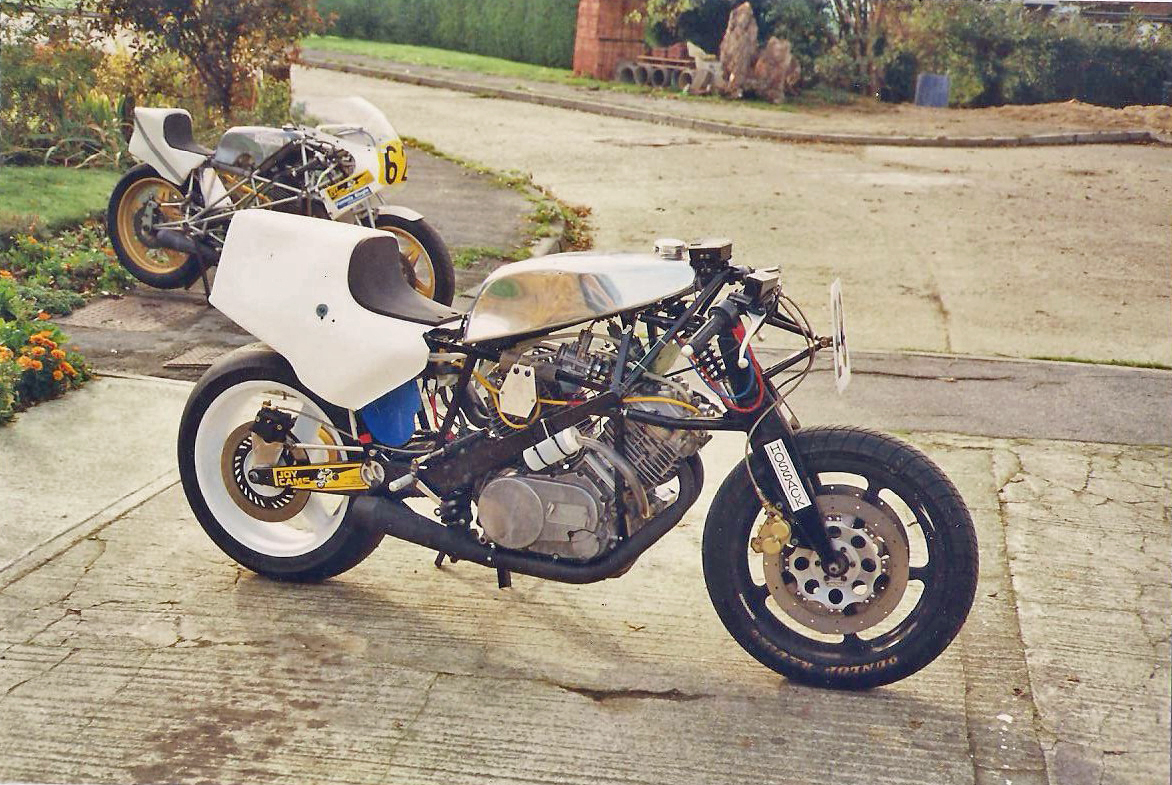 Hossack
V-twin
Hossack
V-twin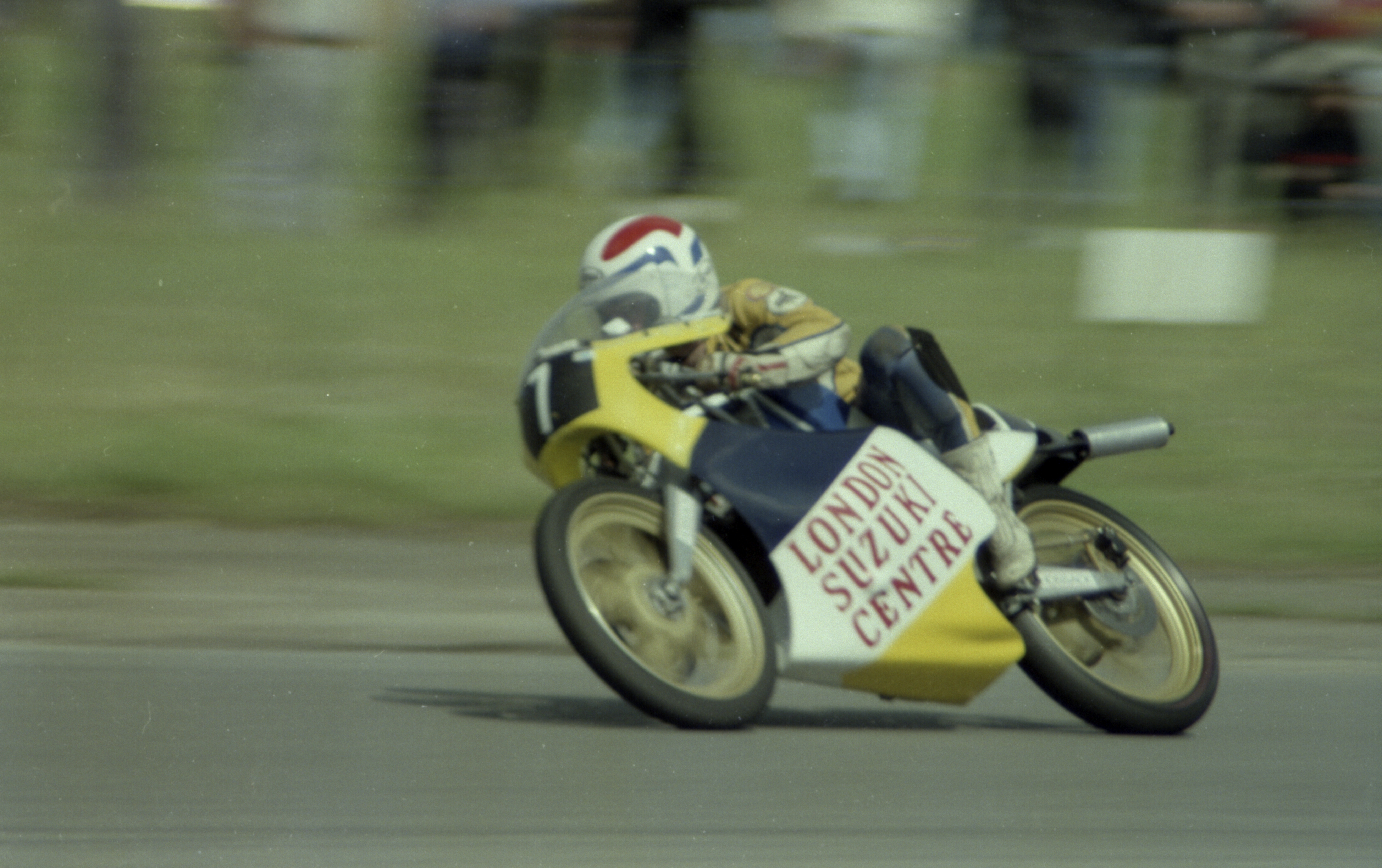 Hossack 125 -- Simon Westwood at Snetterton
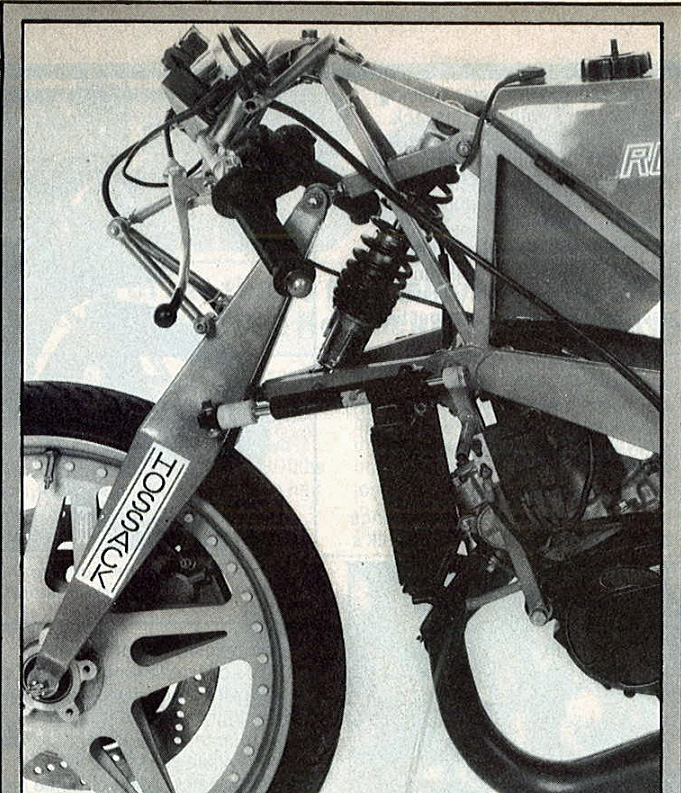 Hossack 125
Suzuki
Hossack 125
Suzuki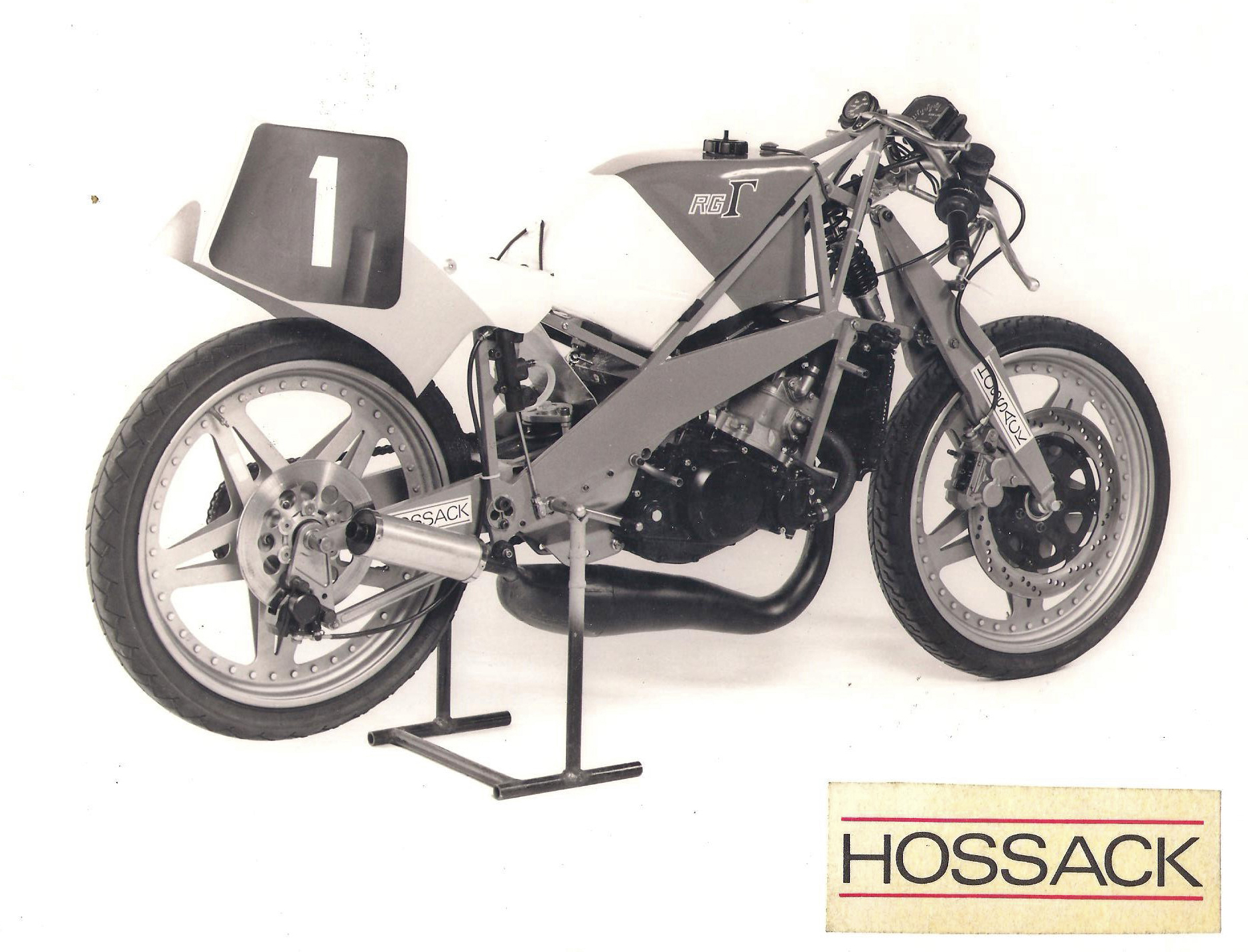 Hossack 125
Suzuki
Hossack 125
Suzuki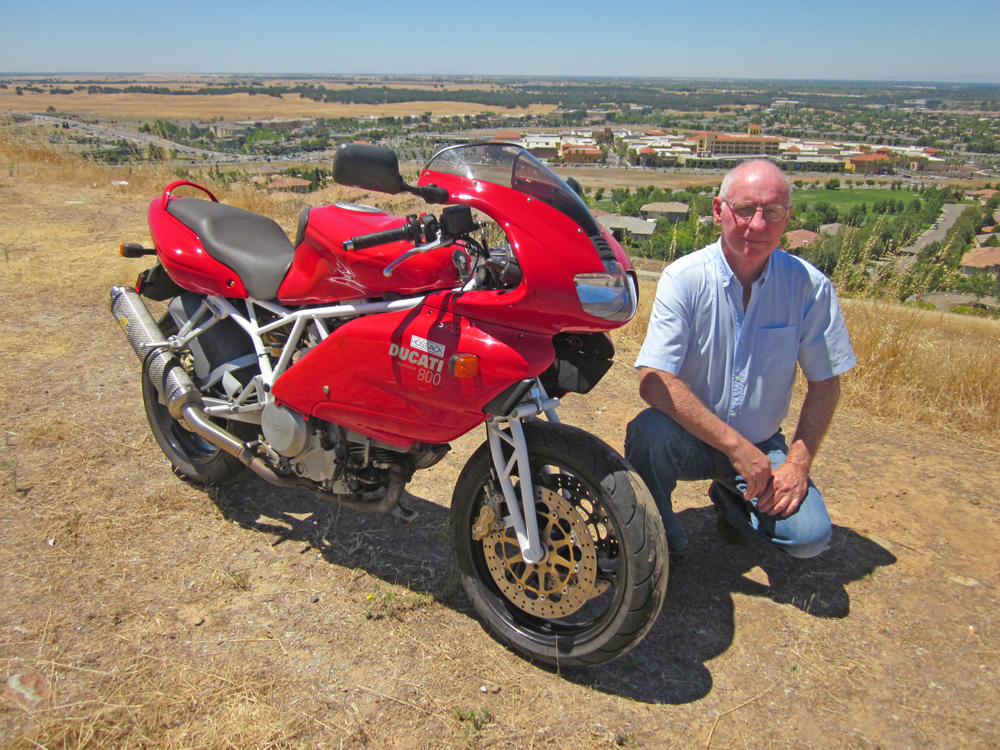 Norman and
Hossack-modified Ducati
Norman and
Hossack-modified Ducati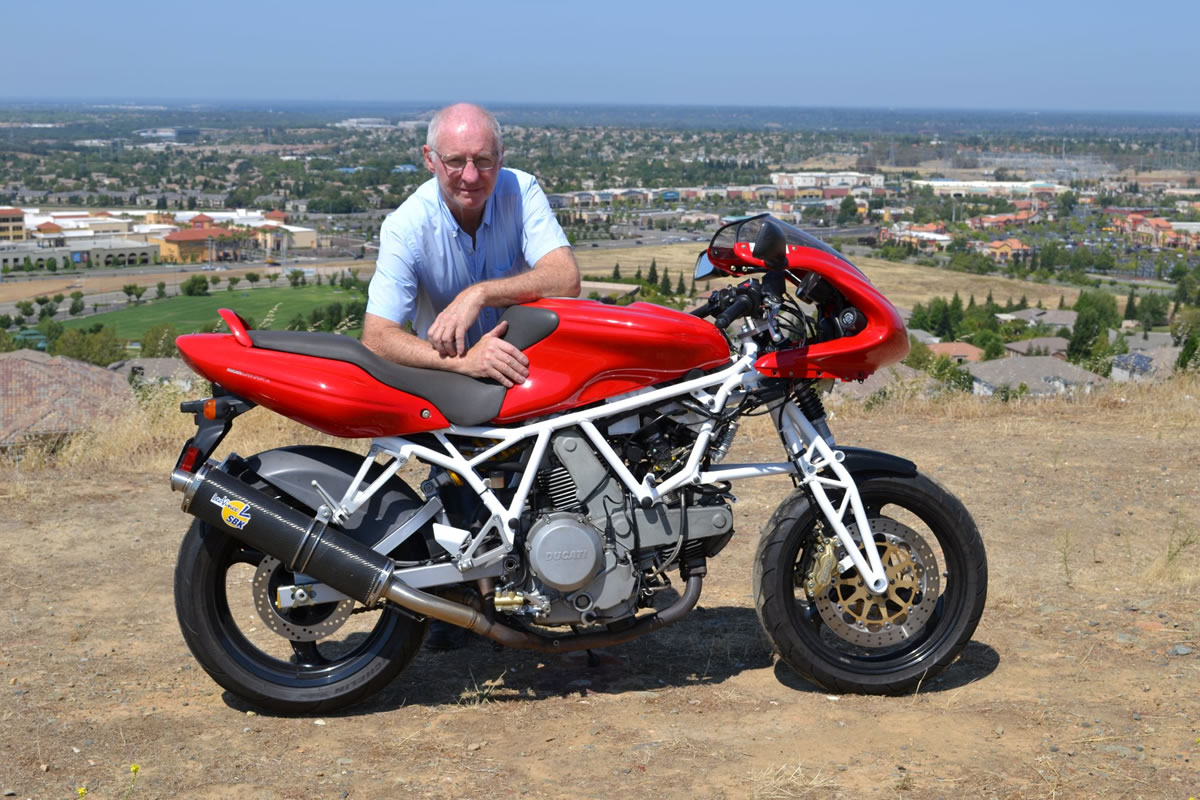 Norman and
Hossack-modified Ducati
Norman and
Hossack-modified Ducati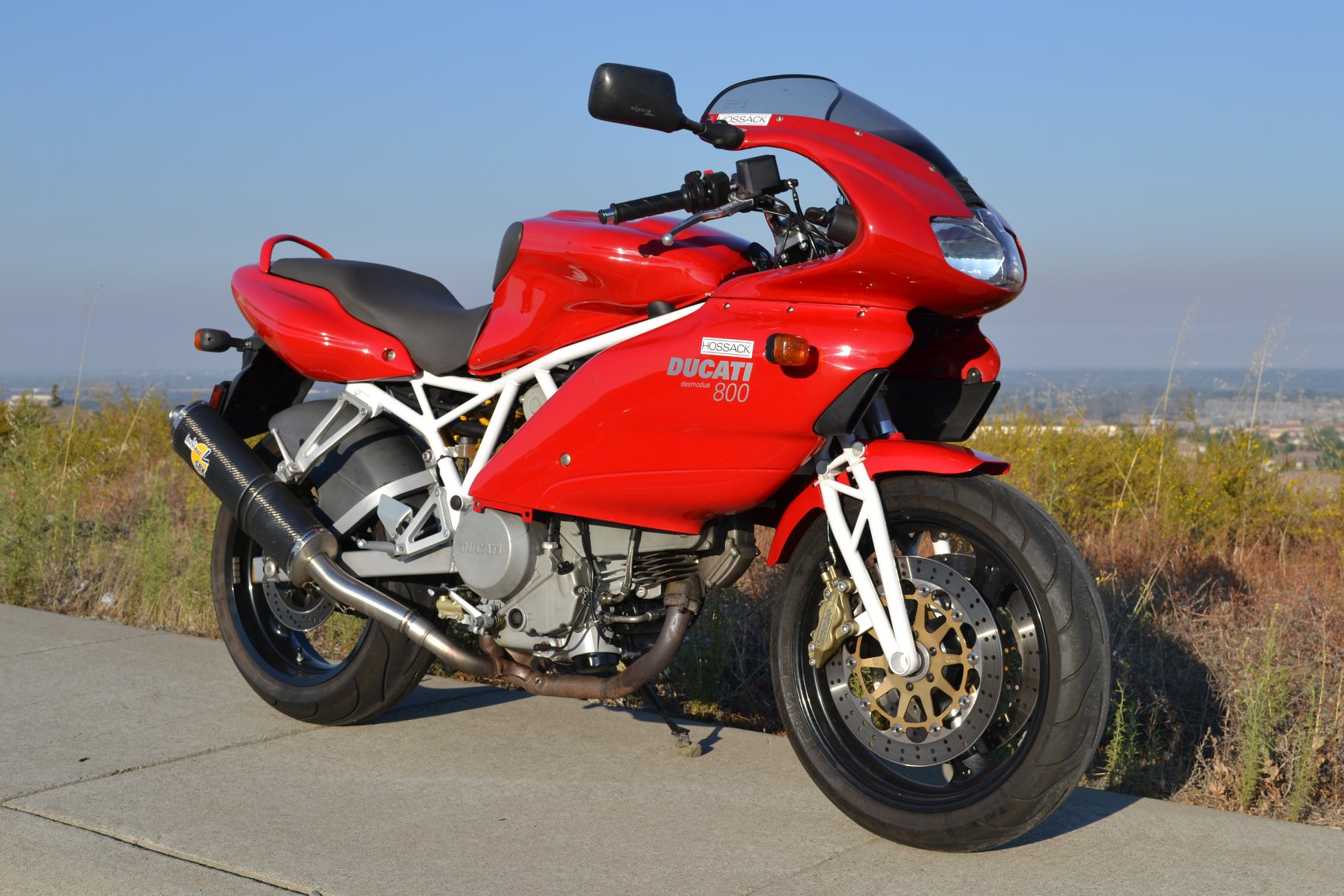 Hossack-modified Ducati
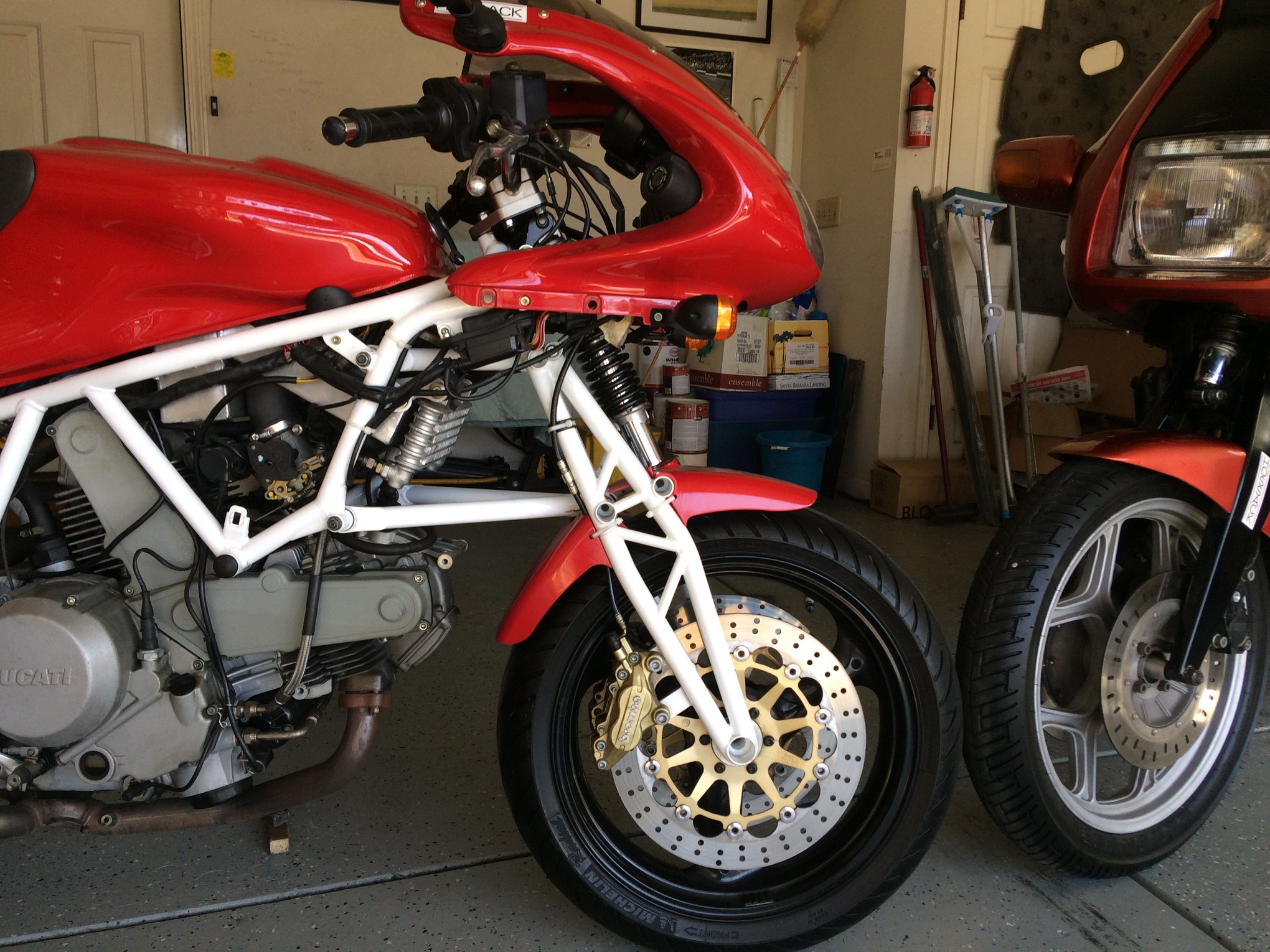 Hossack-modified
Ducati
Hossack-modified
Ducati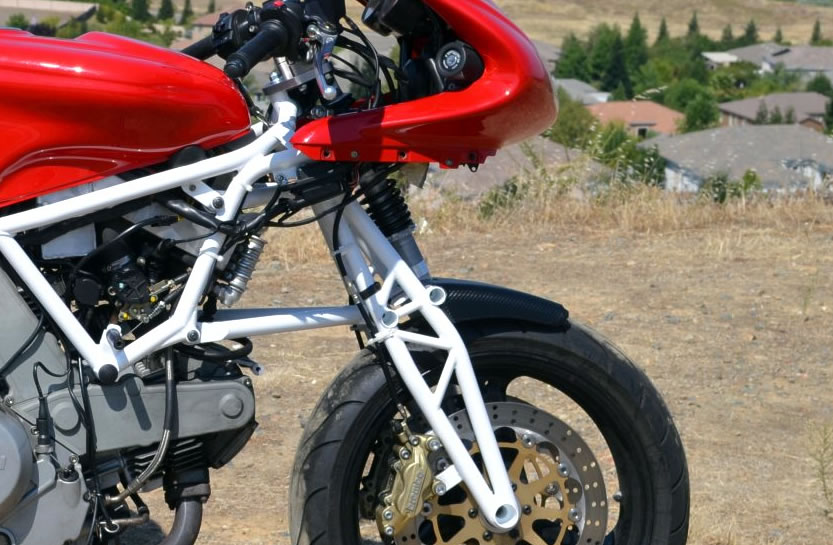 Hossack-modified
Ducati
Hossack-modified
Ducati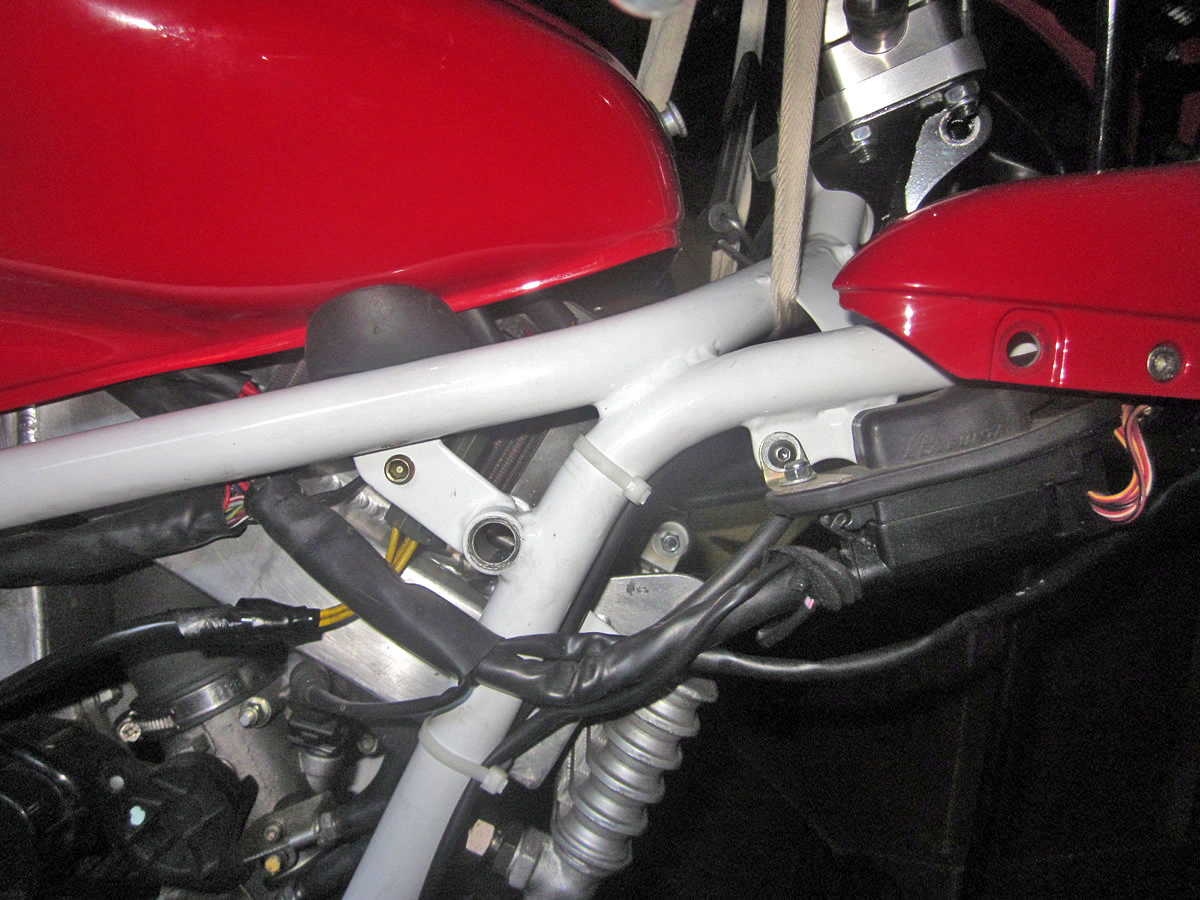 Hossack-modified Ducati
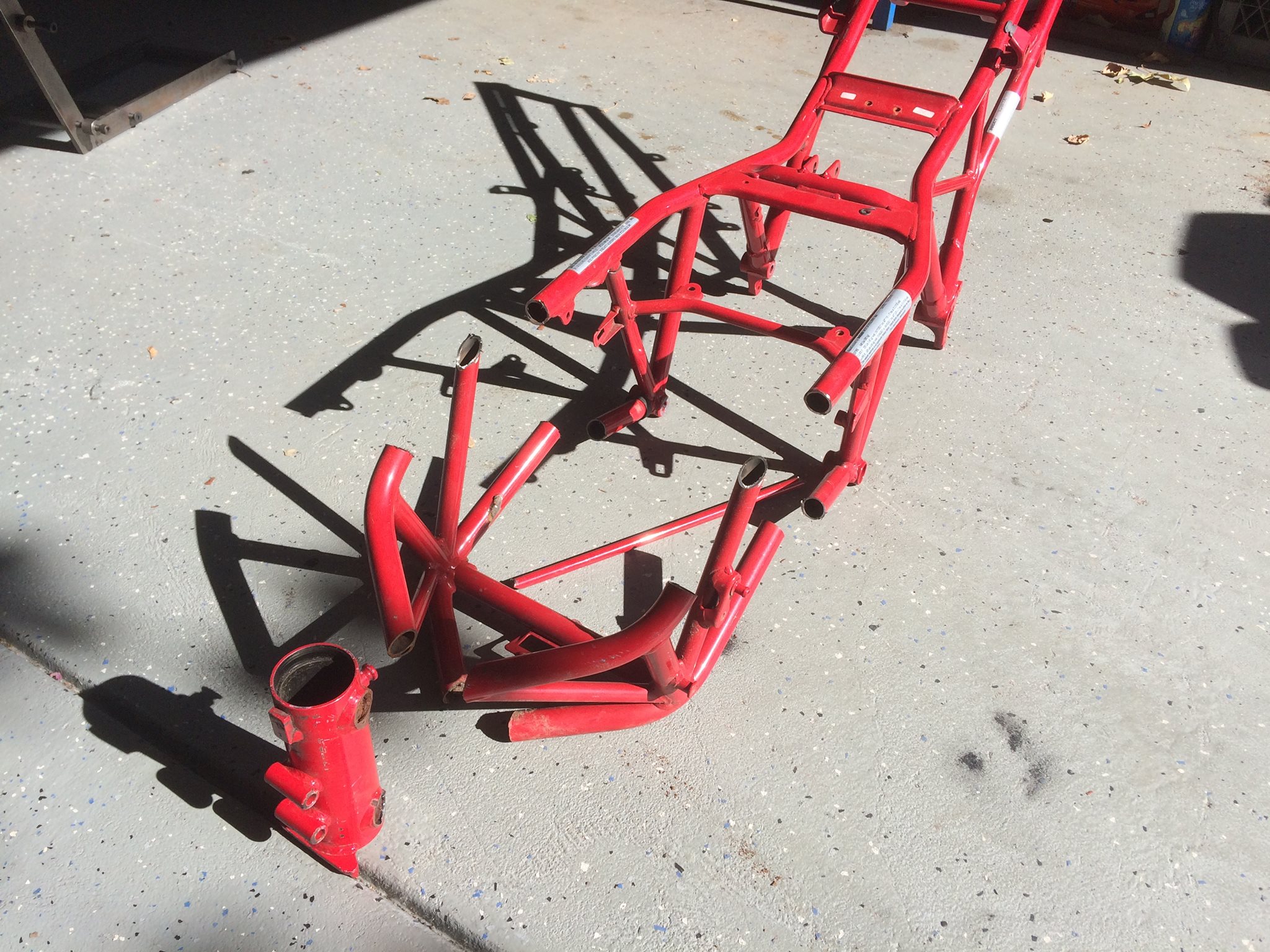 First,
cut the stock frame into bits . . .
First,
cut the stock frame into bits . . .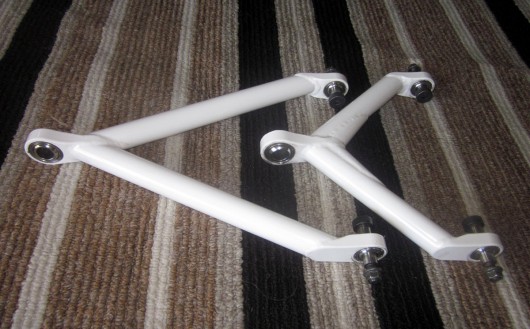 Hossack-modified
Ducati: wishbones/a-arms
Hossack-modified
Ducati: wishbones/a-arms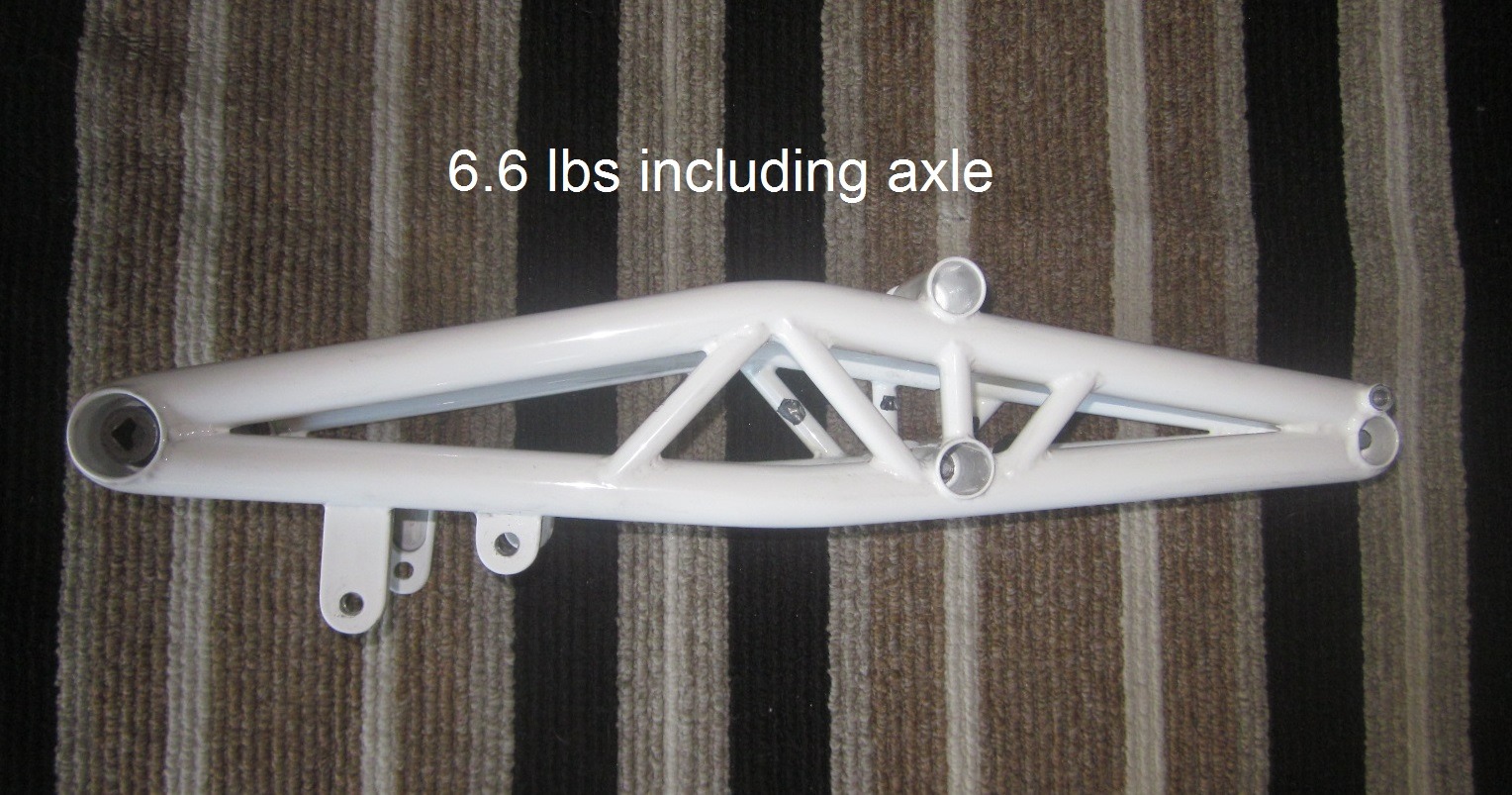 Hossack-modified
Ducati: upright
Hossack-modified
Ducati: upright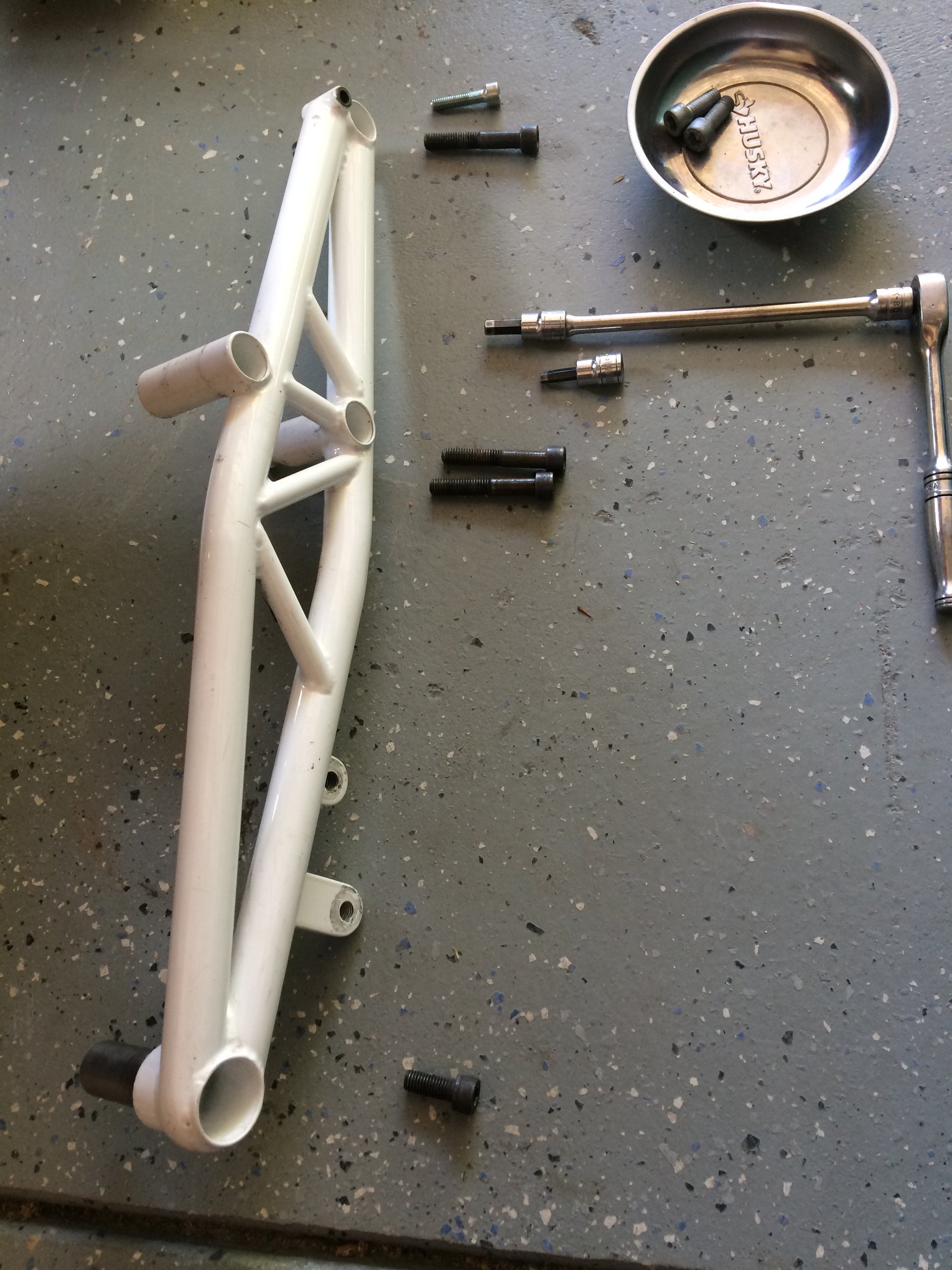 Hossack-modified
Ducati: upright
Hossack-modified
Ducati: upright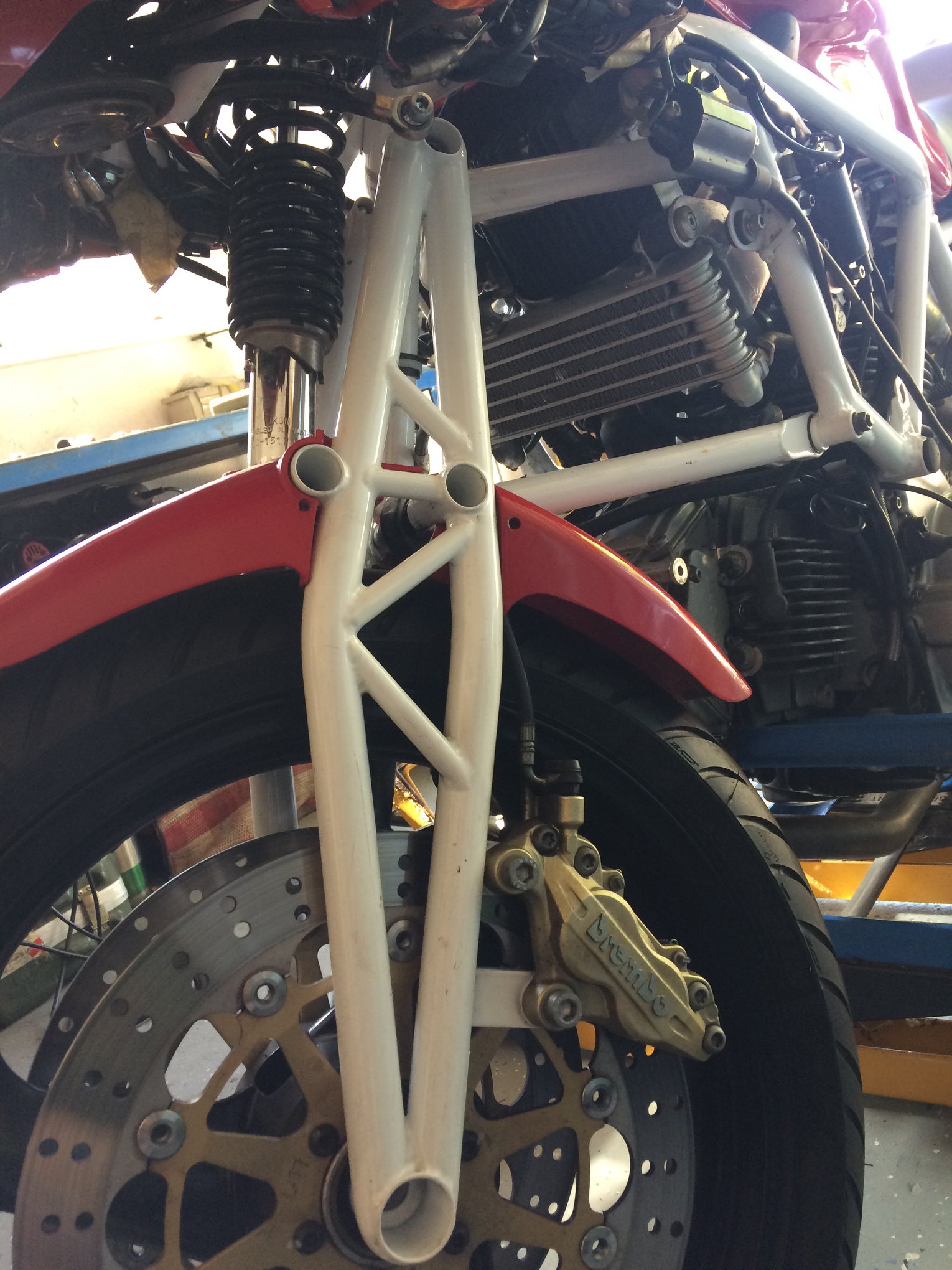 Hossack-modified
Ducati: upright
Hossack-modified
Ducati: upright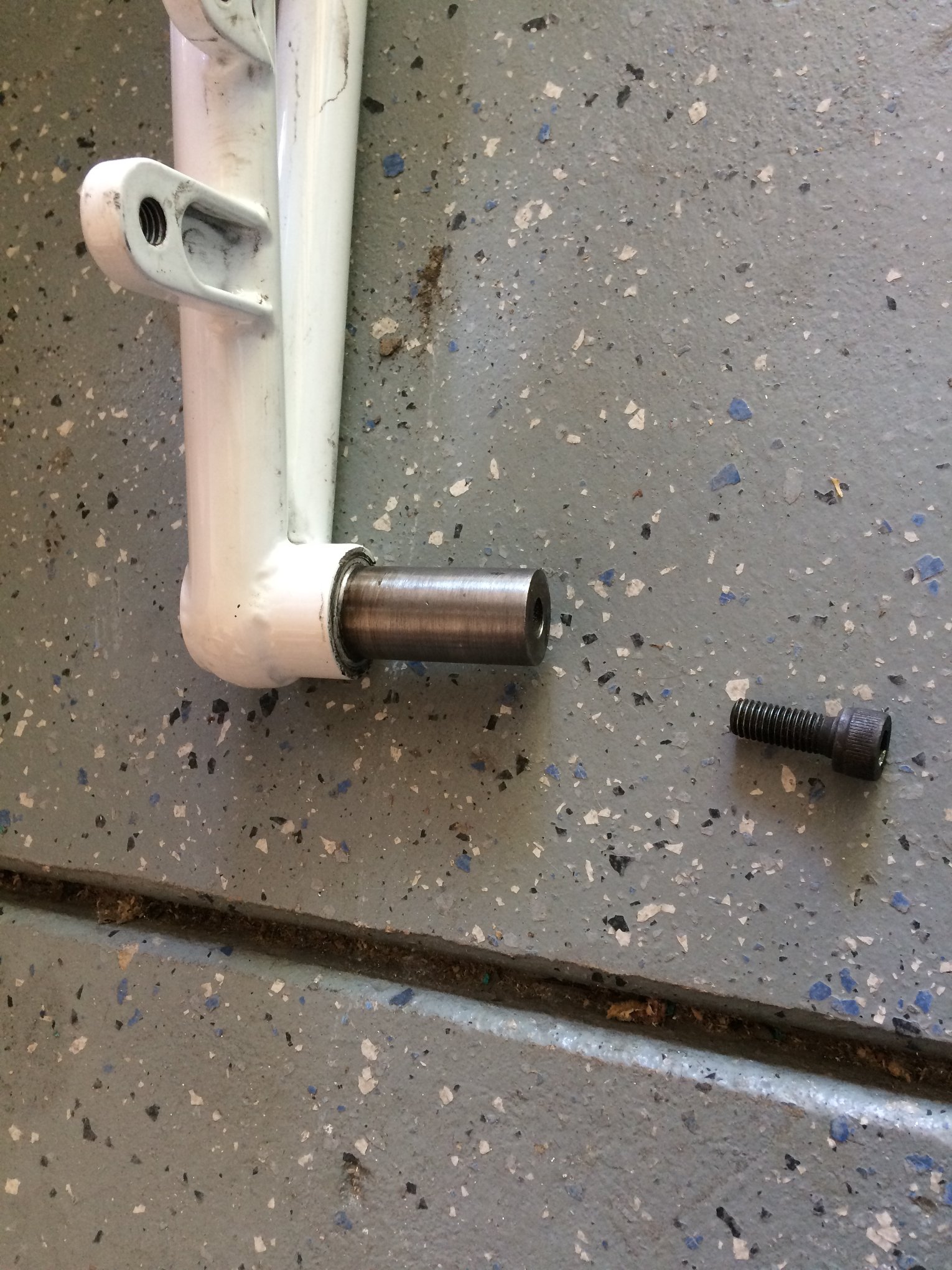 Hossack-modified
Ducati:
upright
Hossack-modified
Ducati:
upright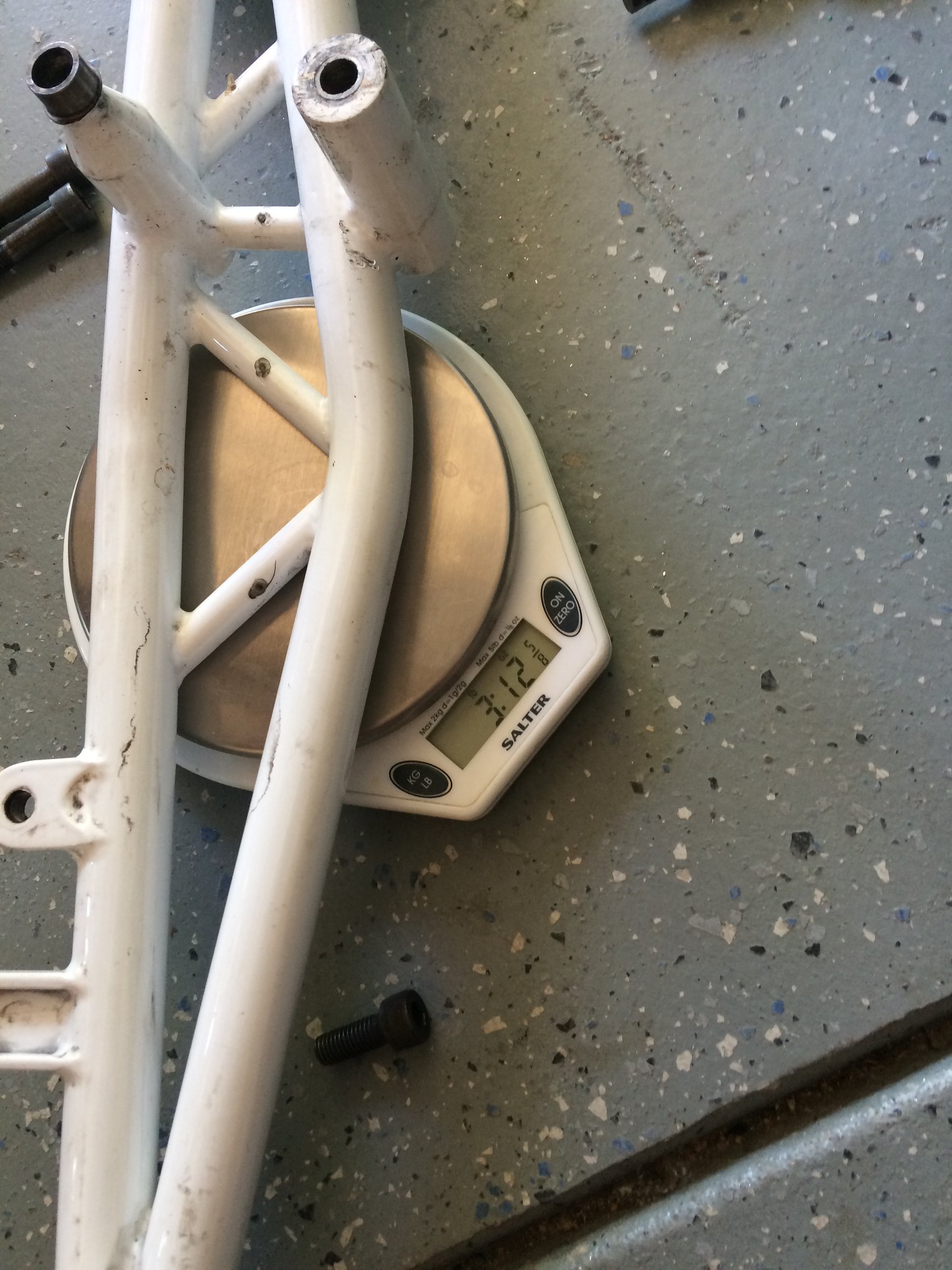 Hossack-modified
Ducati:
upright
Hossack-modified
Ducati:
upright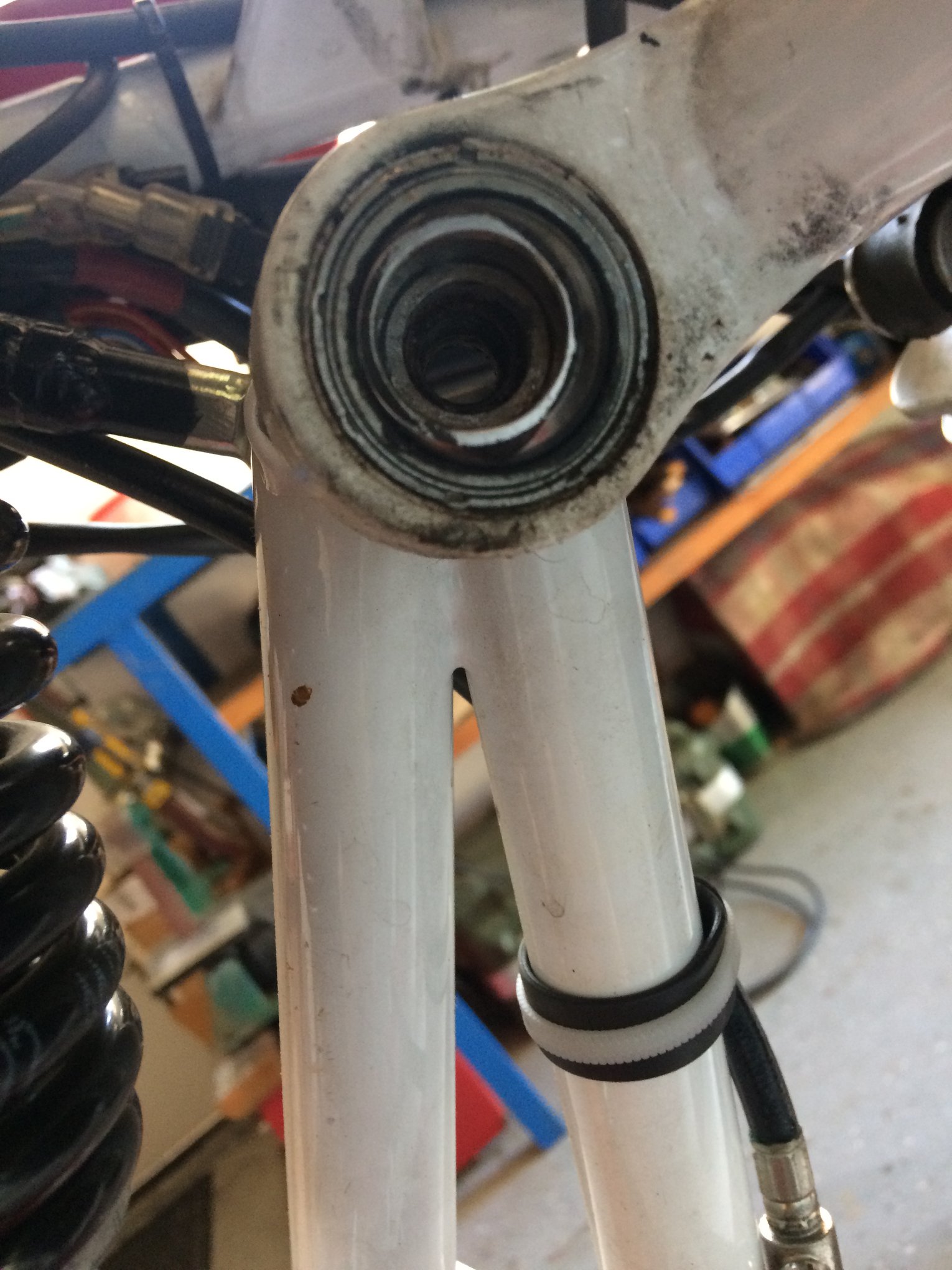 Hossack-modified
Ducati:
upright
Hossack-modified
Ducati:
upright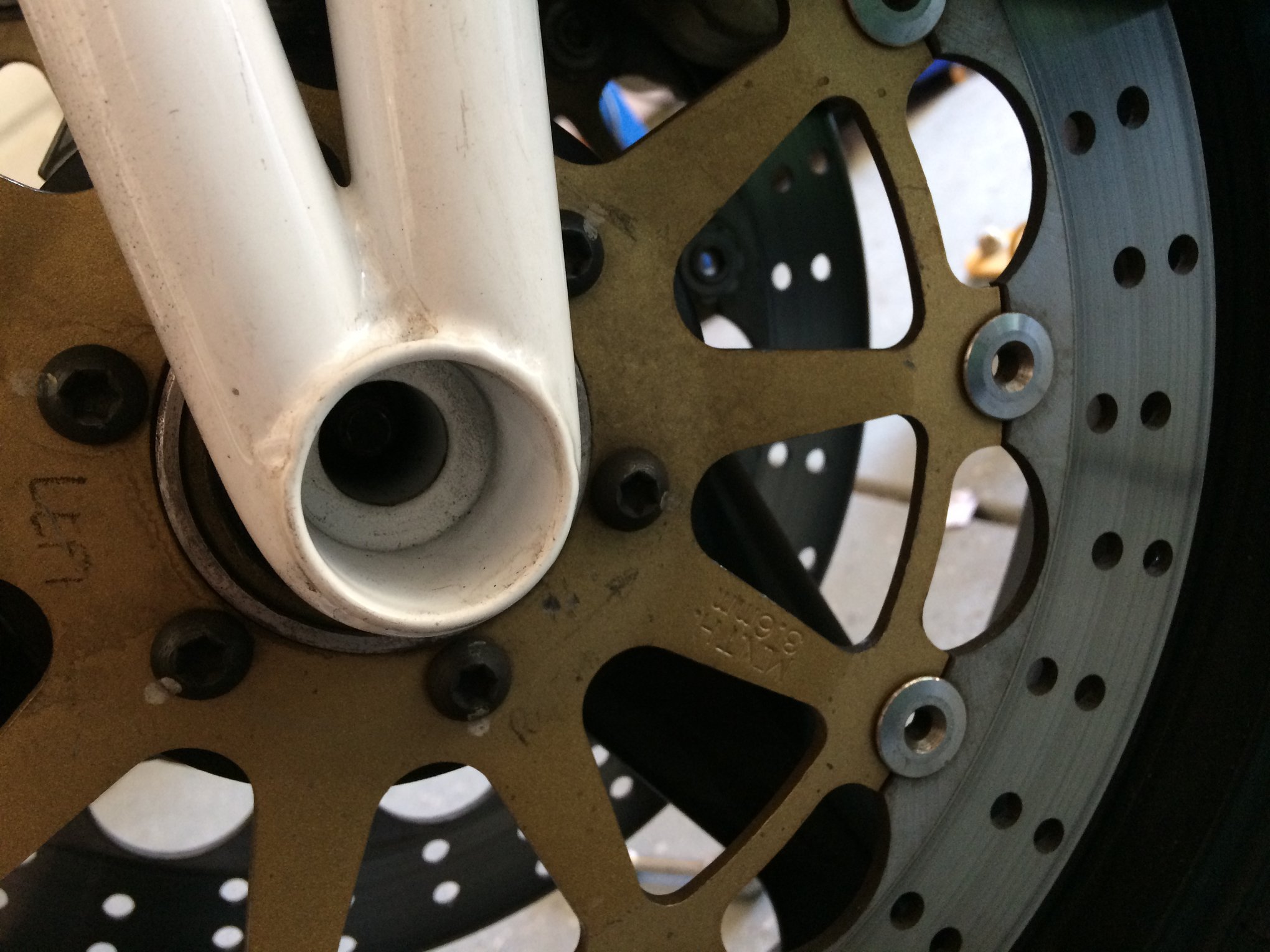 Hossack-modified
Ducati:
upright
Hossack-modified
Ducati:
upright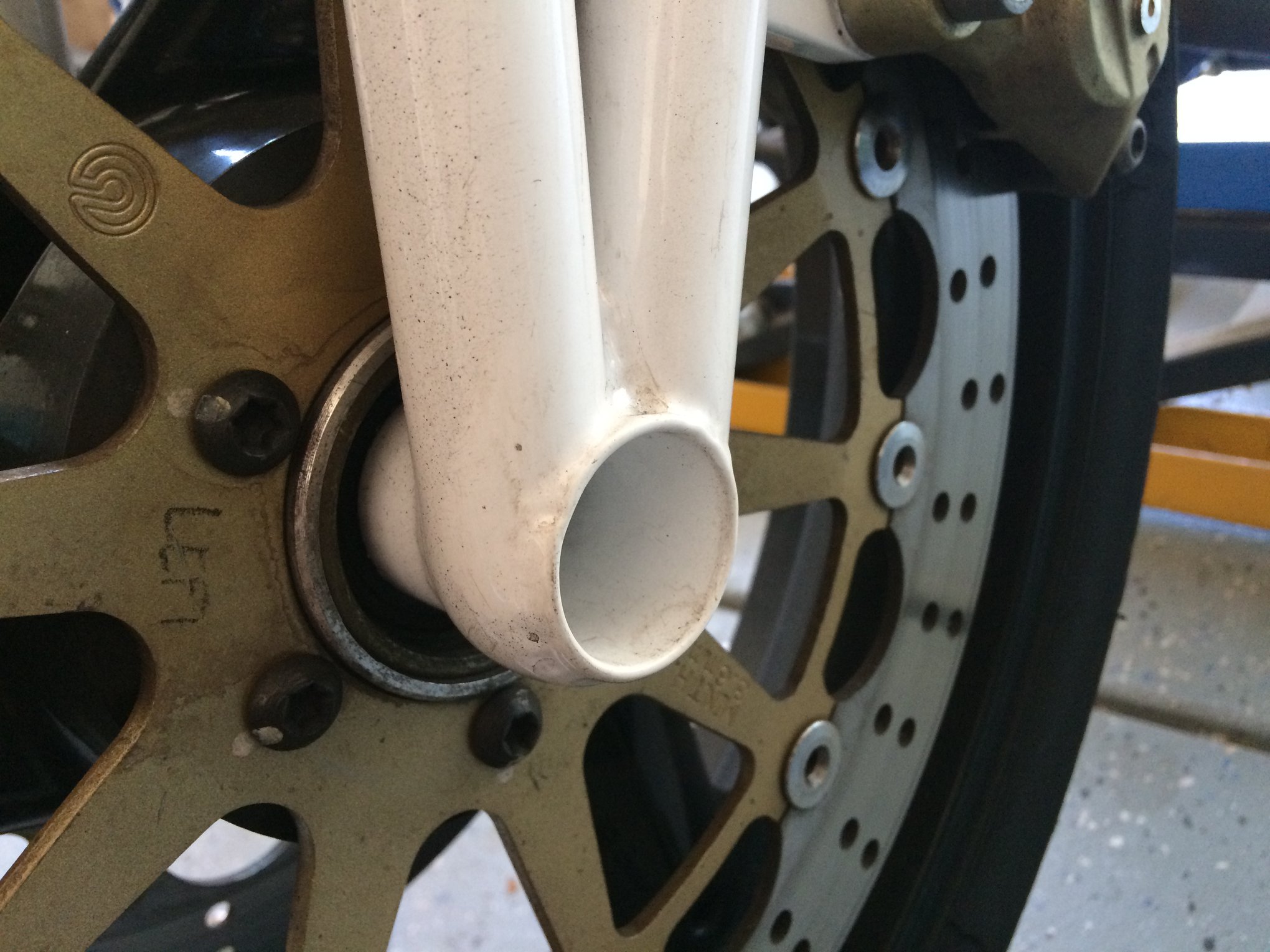 Hossack-modified
Ducati:
upright
Hossack-modified
Ducati:
upright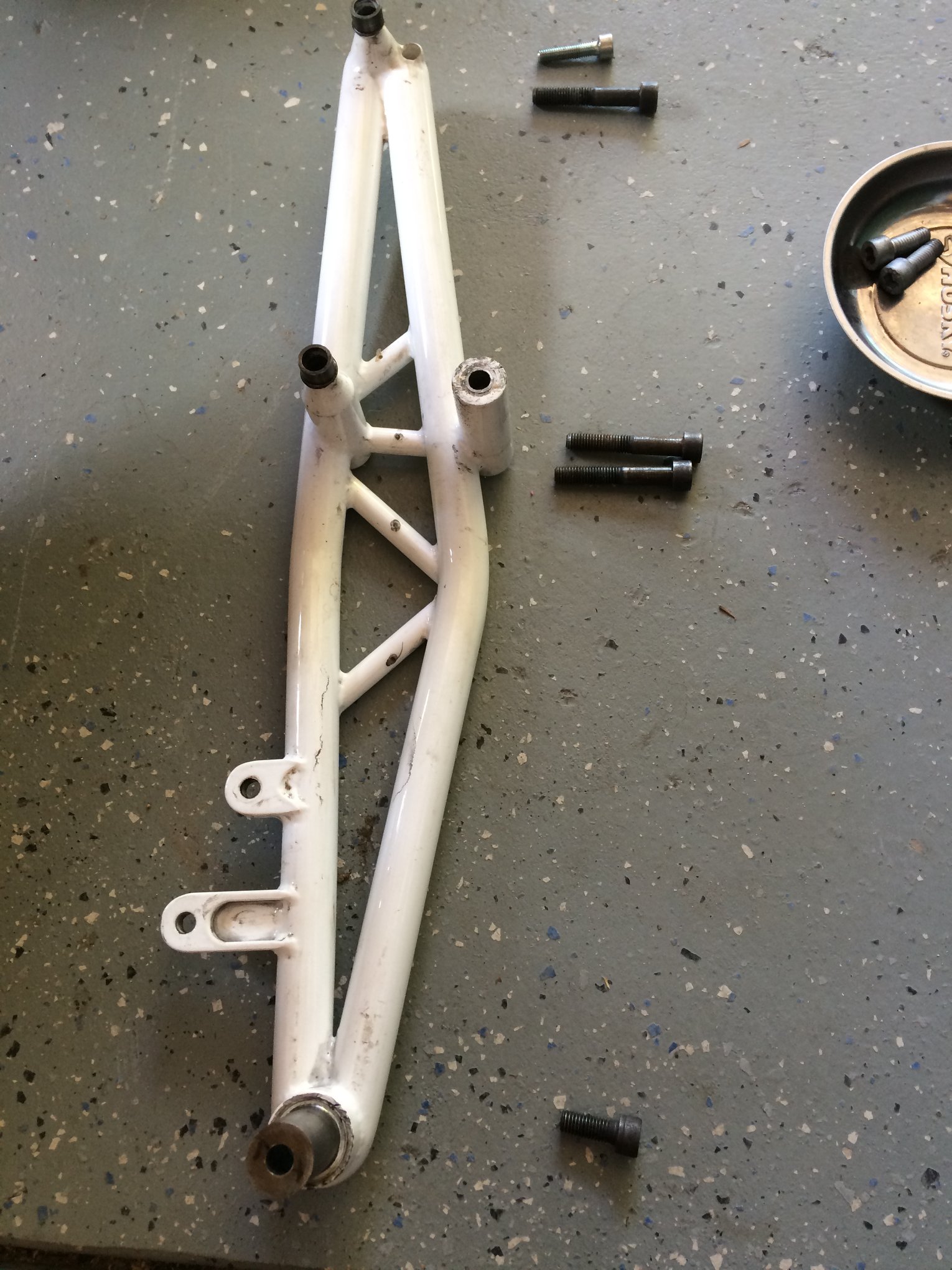 Hossack-modified
Ducati:
upright
Hossack-modified
Ducati:
upright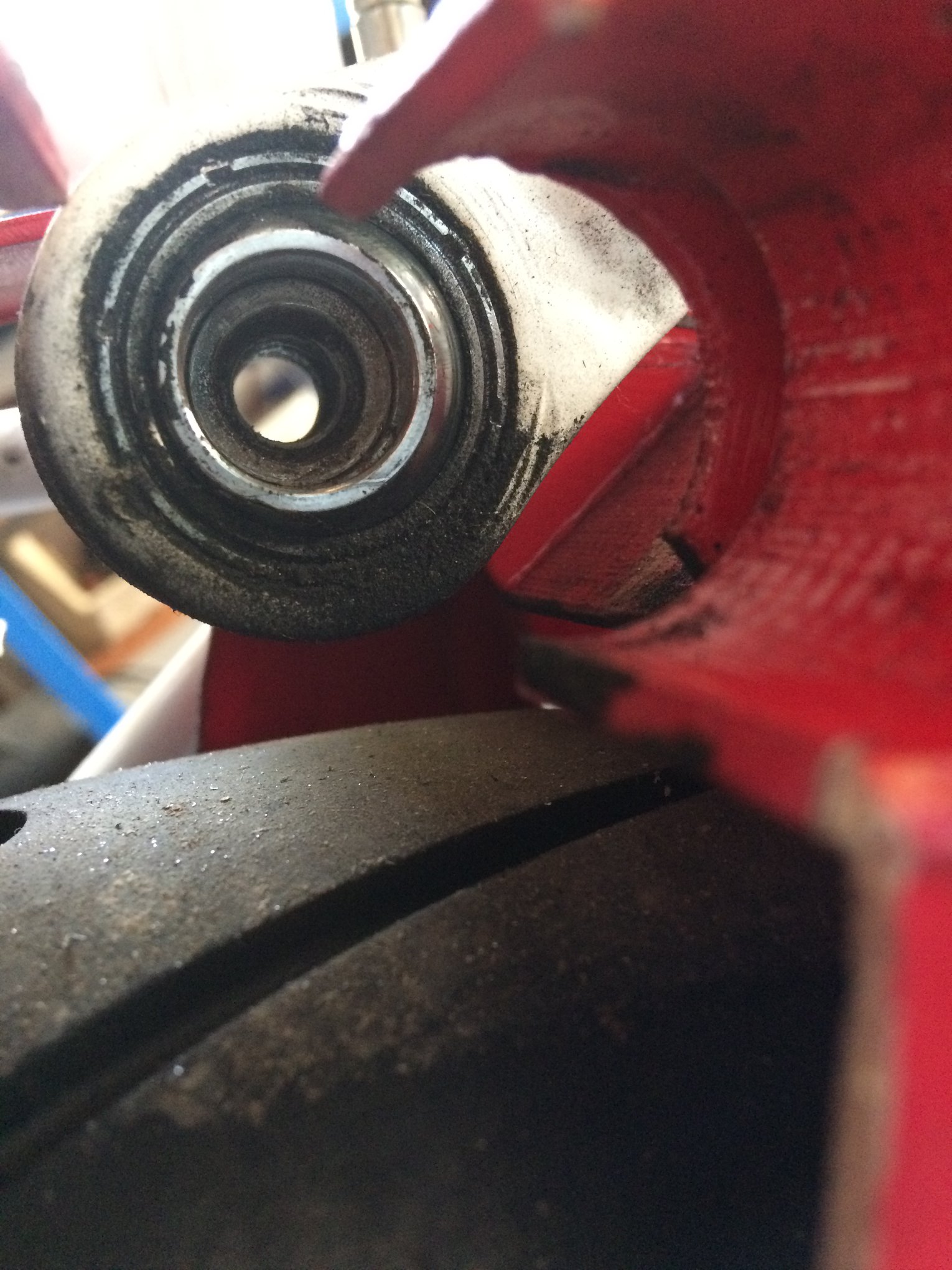 Hossack-modified
Ducati:
upright
Hossack-modified
Ducati:
upright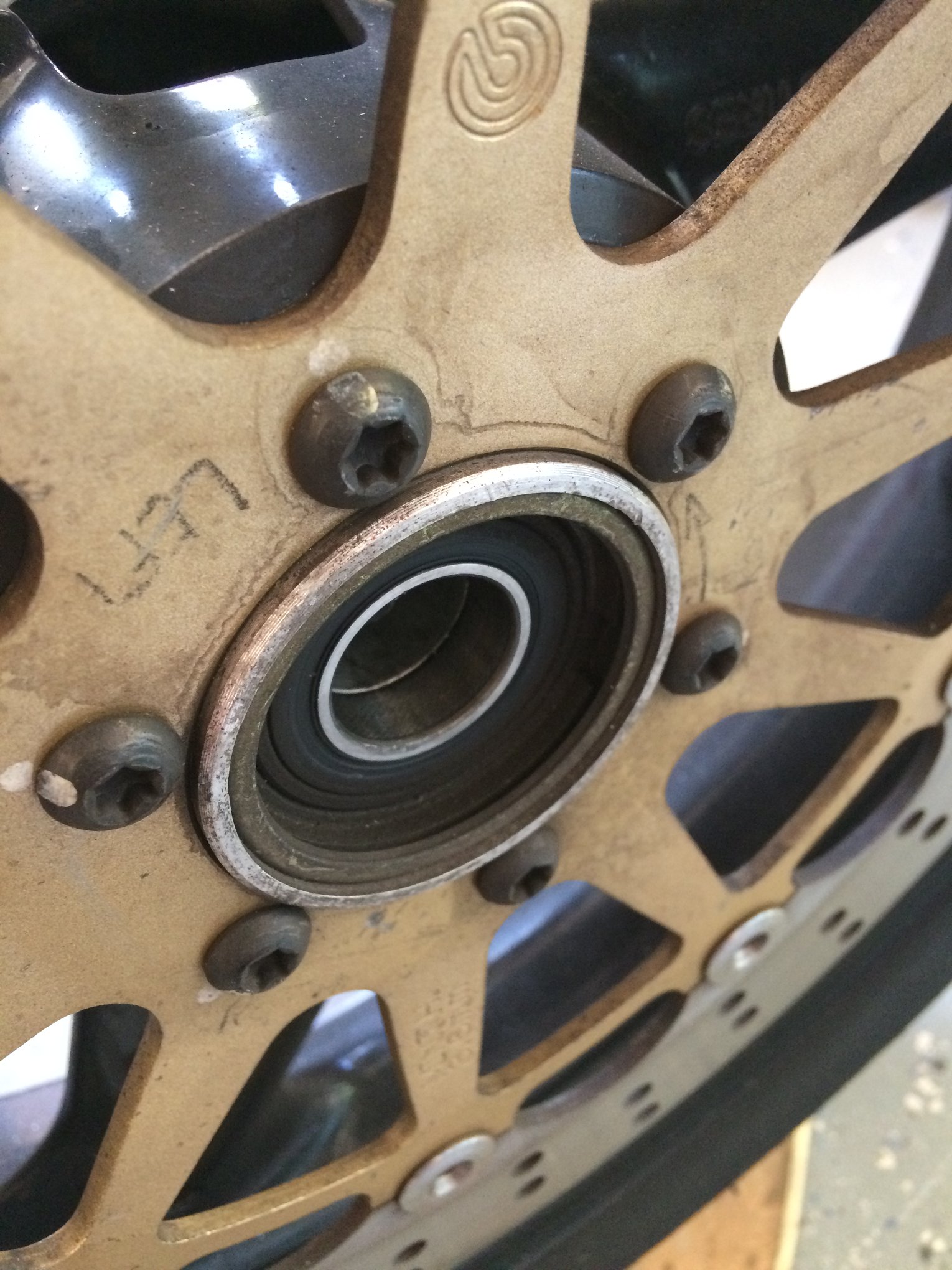 Hossack-modified
Ducati: front wheel
Hossack-modified
Ducati: front wheel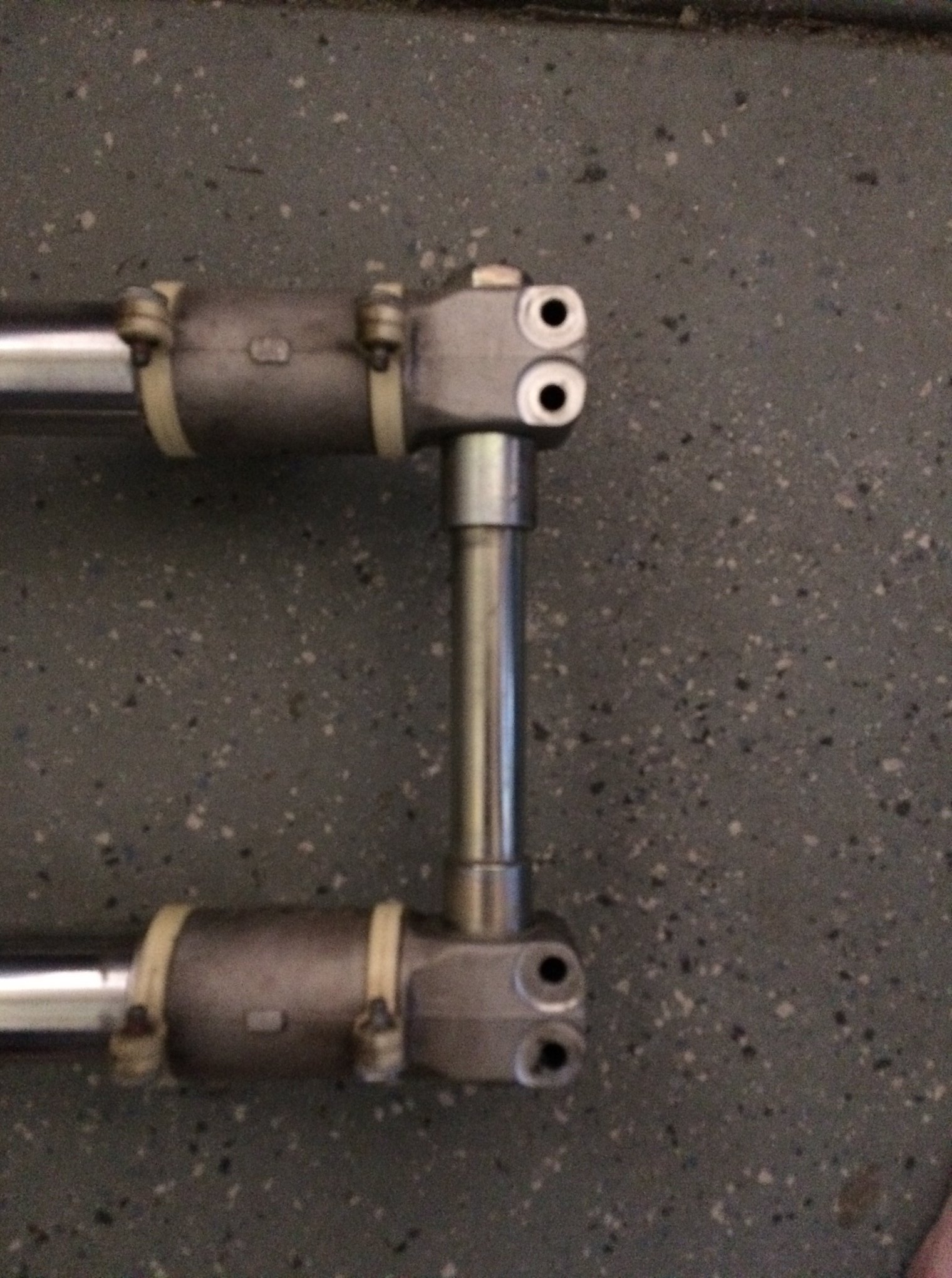 The
original Ducati lower telefork and axle
The
original Ducati lower telefork and axle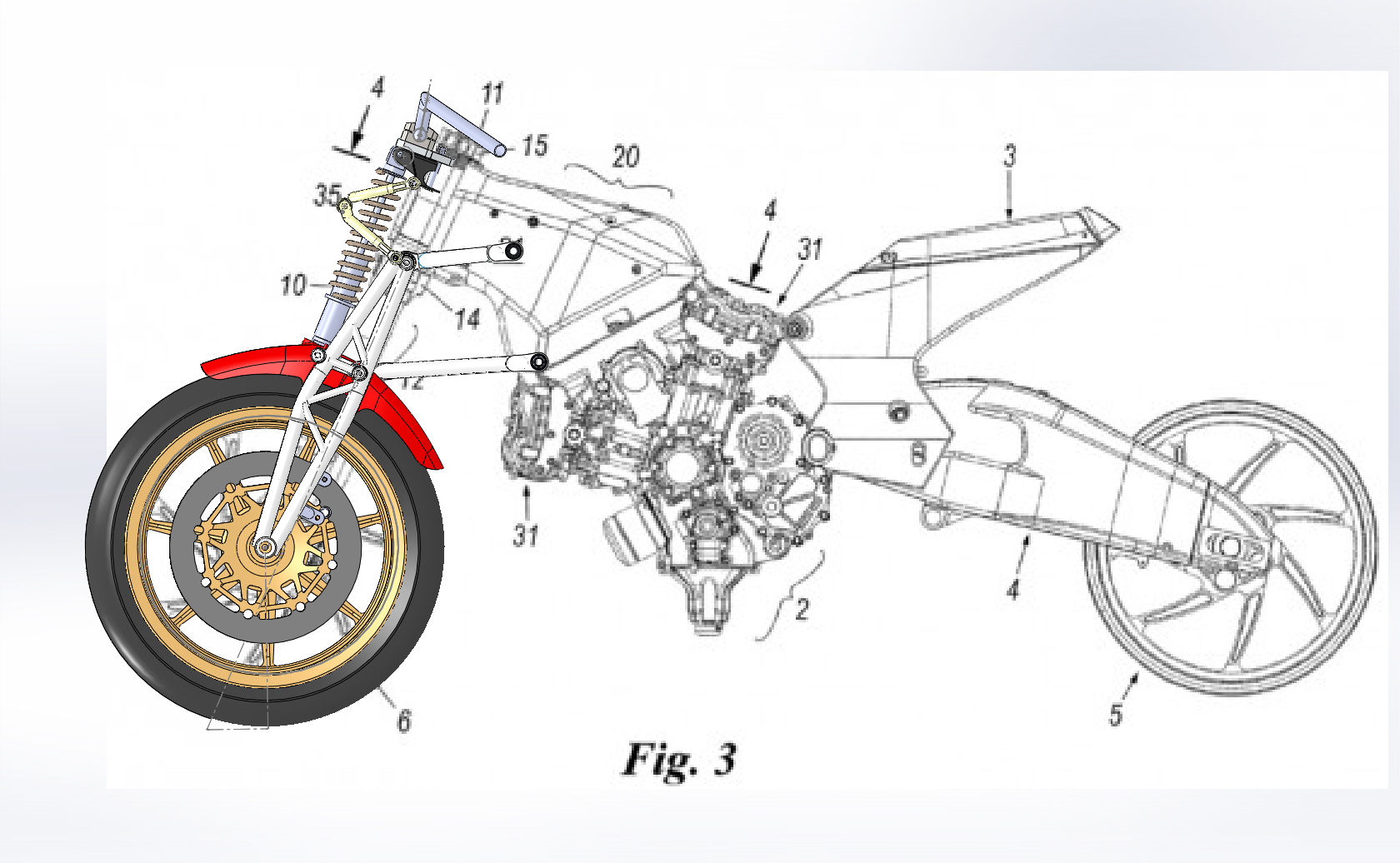 Norman's
version of a Ducati Panigale
Norman's
version of a Ducati Panigale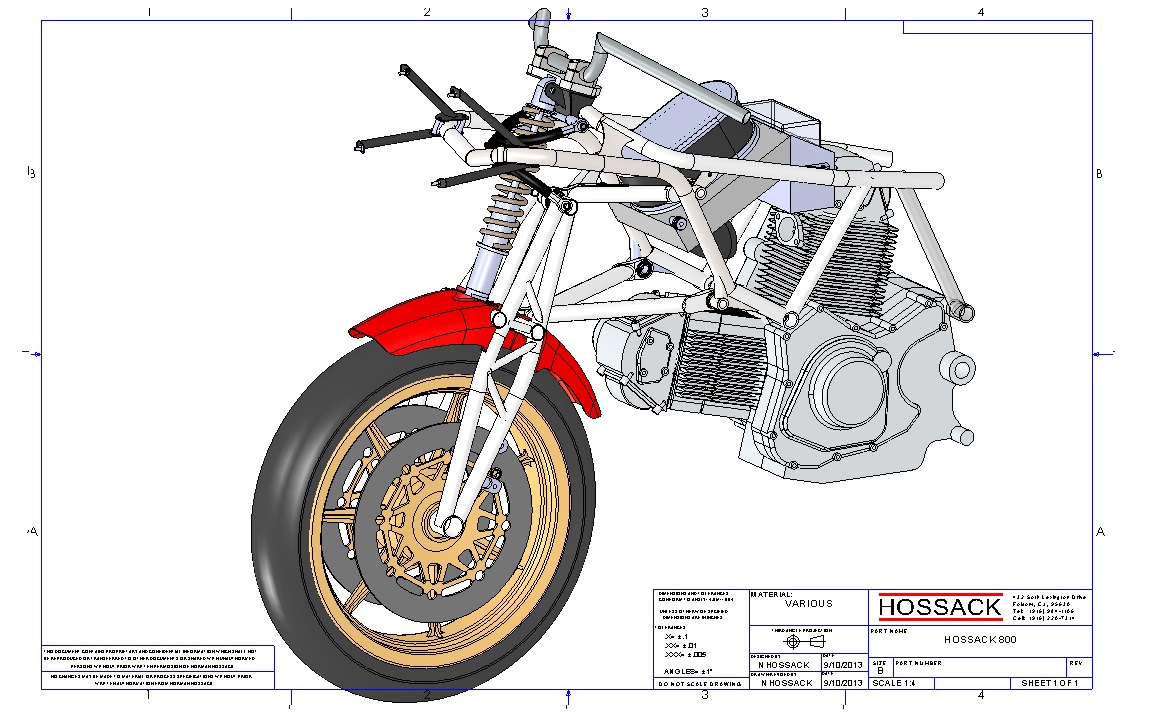 Norman's
version of a Ducati Panigale
Norman's
version of a Ducati Panigale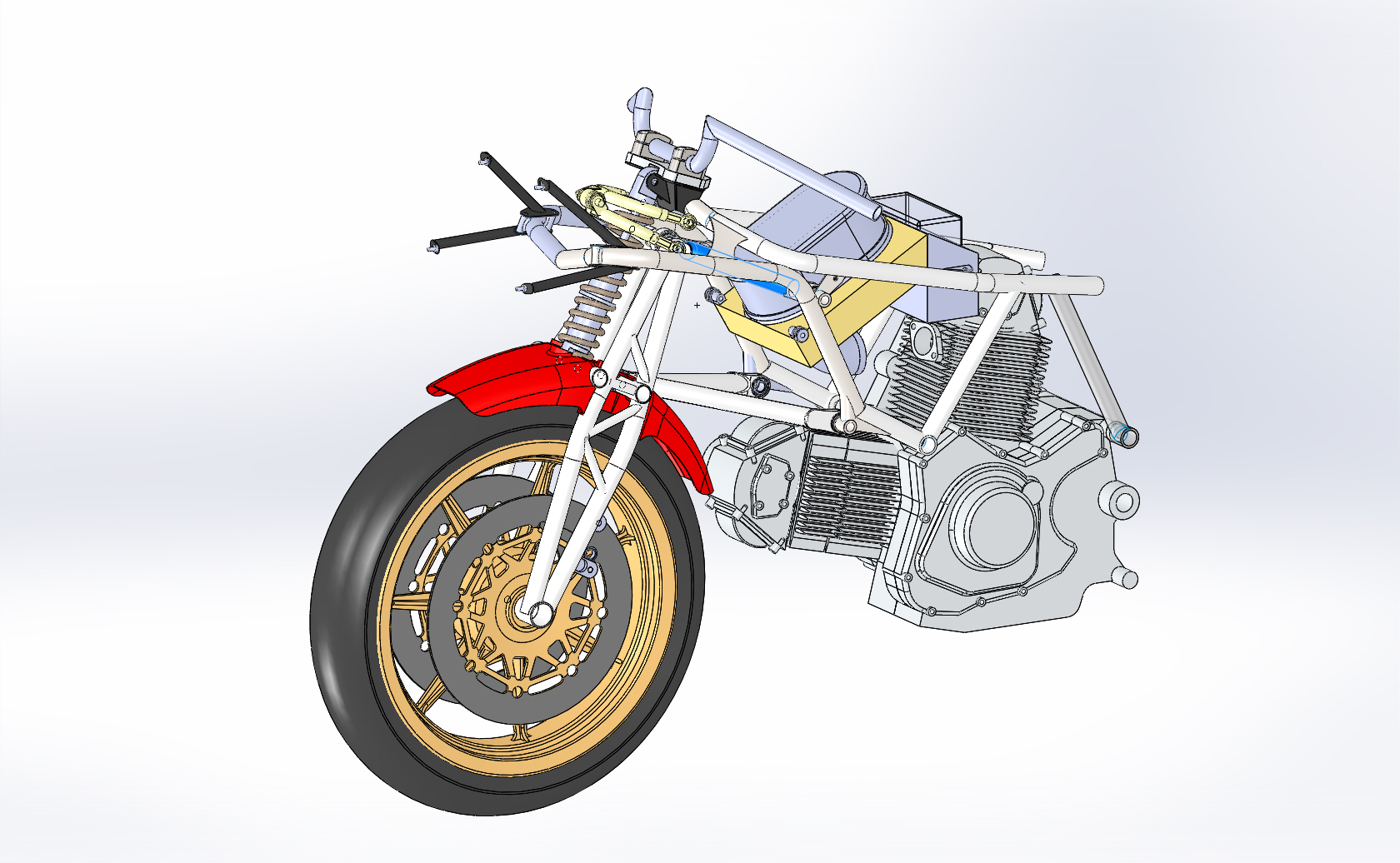 Norman's
version of a Ducati Panigale
Norman's
version of a Ducati Panigale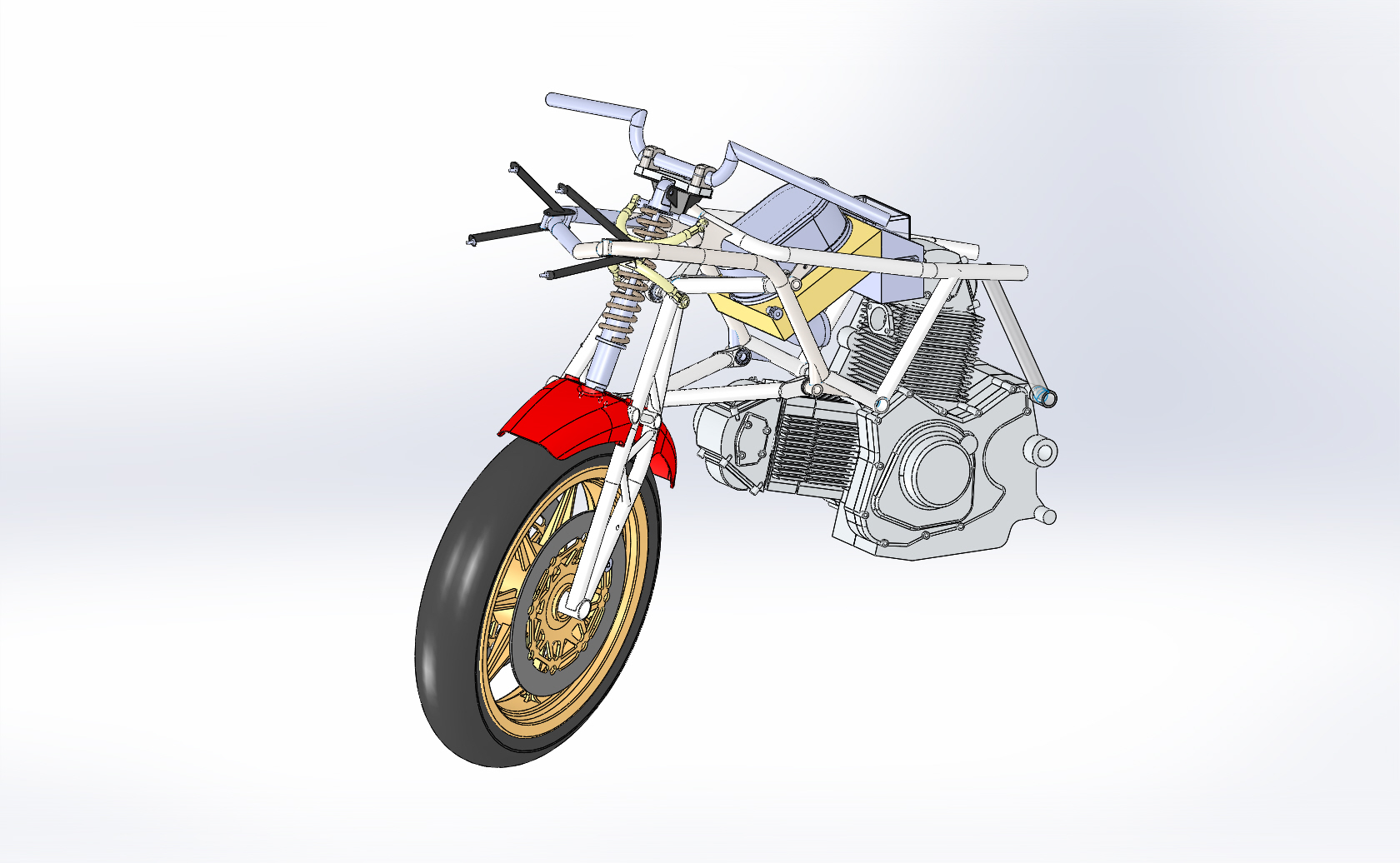 Norman's
version of a Ducati Panigale
Norman's
version of a Ducati Panigale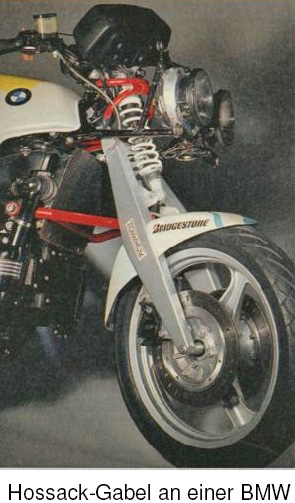 Hossack-modified
BMW
Hossack-modified
BMW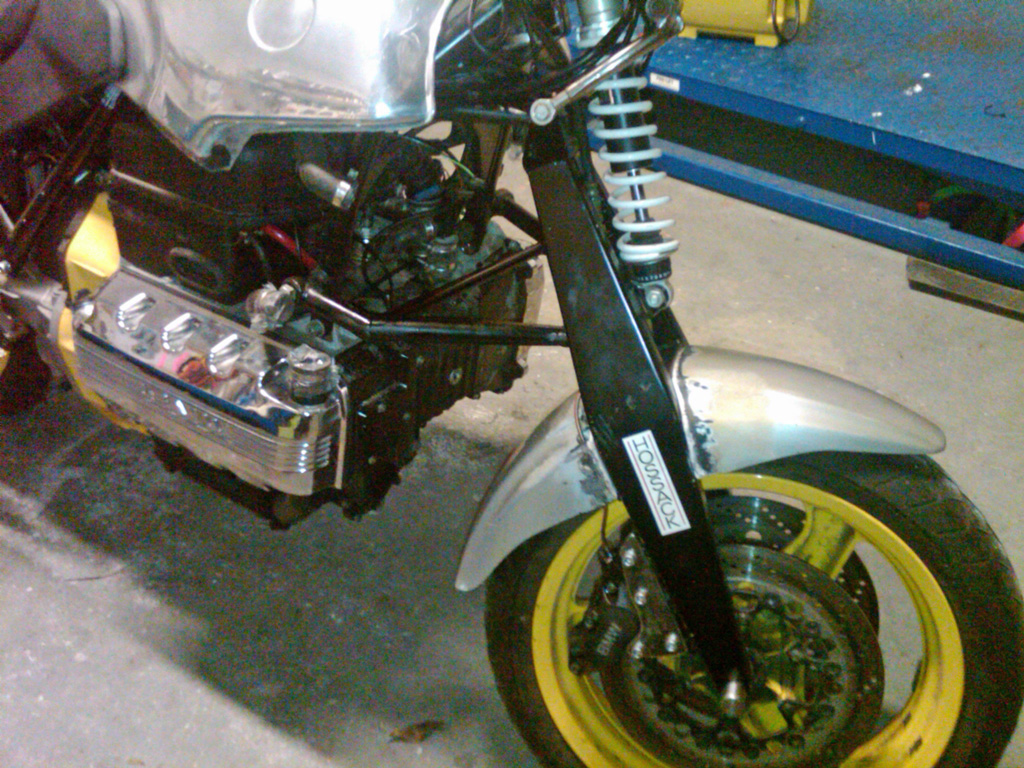 Hossack-modified
BMW
Hossack-modified
BMW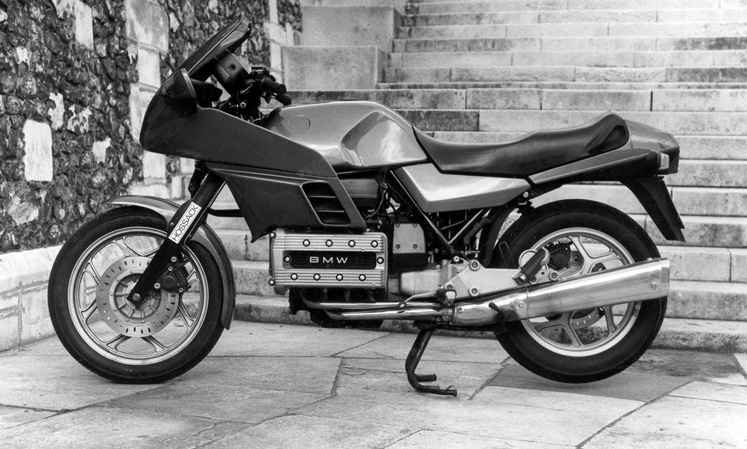 Hossack-modified
BMW
Hossack-modified
BMW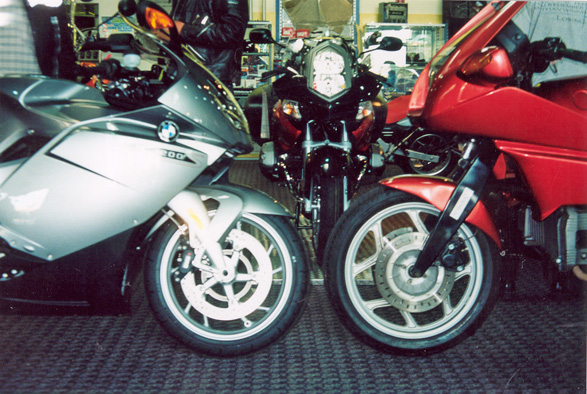 Copy Vs Real
Hossack
BMW
Copy Vs Real
Hossack
BMW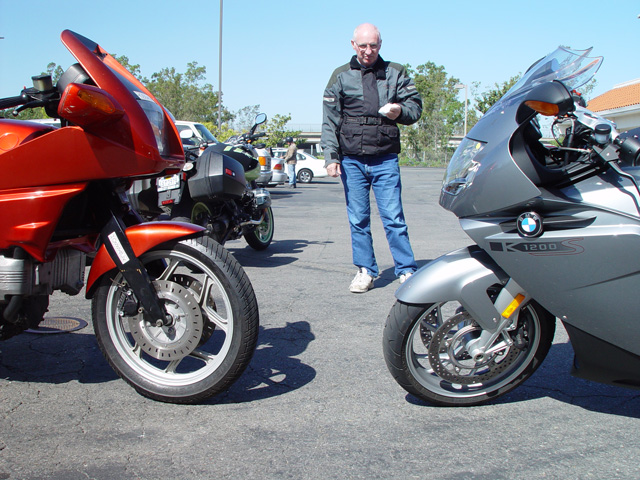 Real Vs Copy
Hossack
BMW with Norman Hossack
Real Vs Copy
Hossack
BMW with Norman Hossack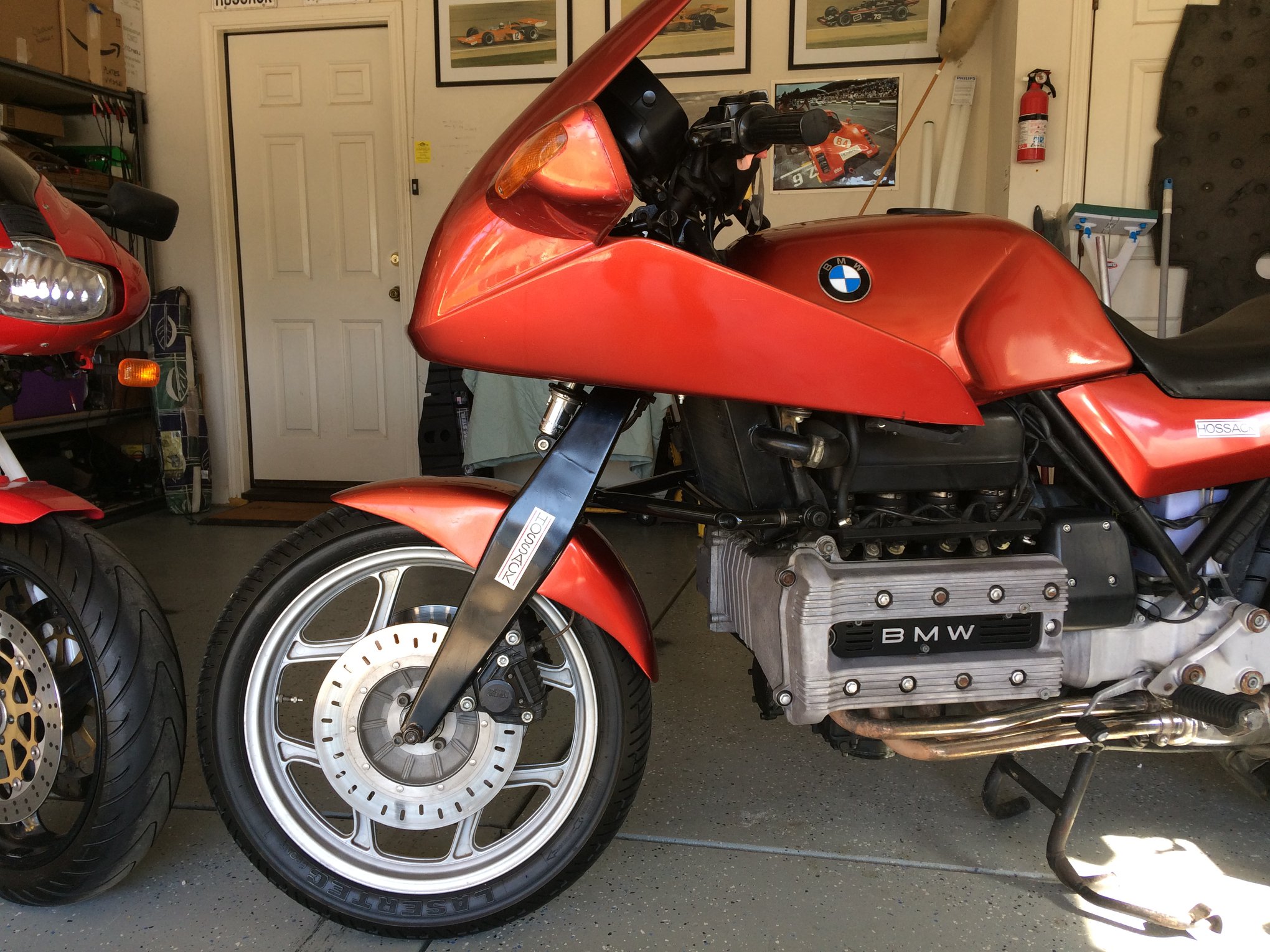 Hossack-modified
BMW
Hossack-modified
BMW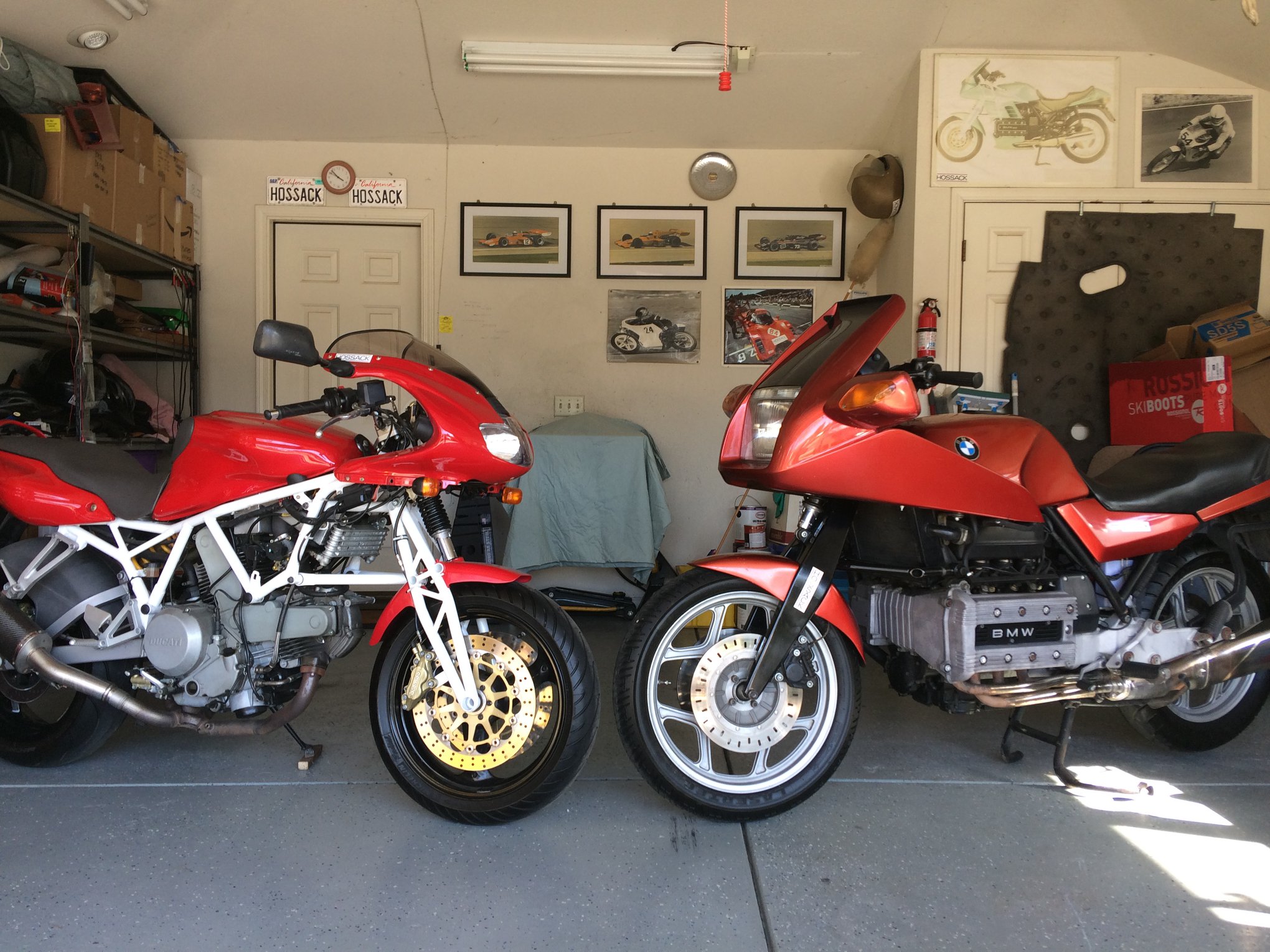 Hossack-modified
Ducati and BMW
Hossack-modified
Ducati and BMW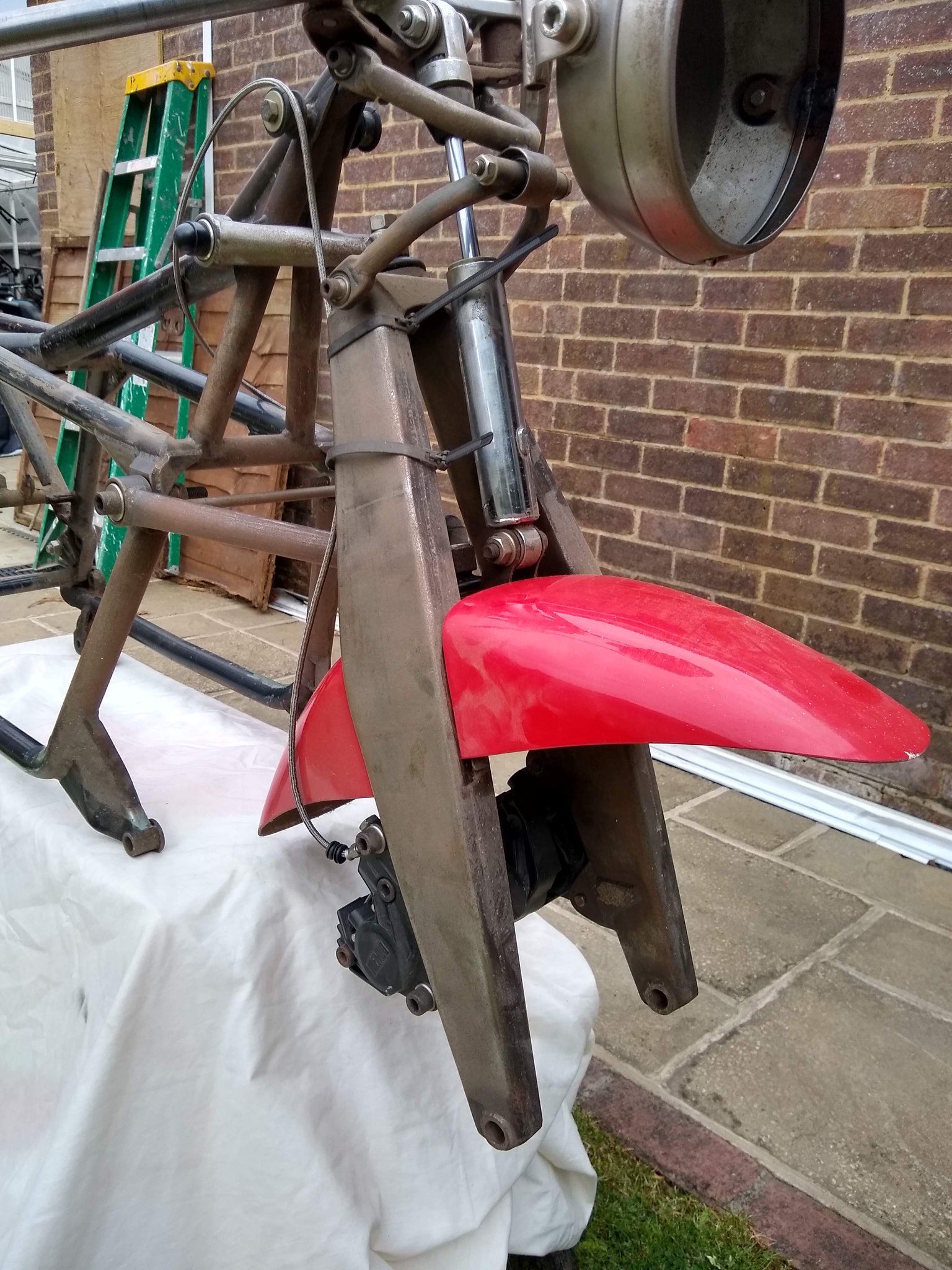 Hossack-modified
Moto Guzzi
Hossack-modified
Moto Guzzi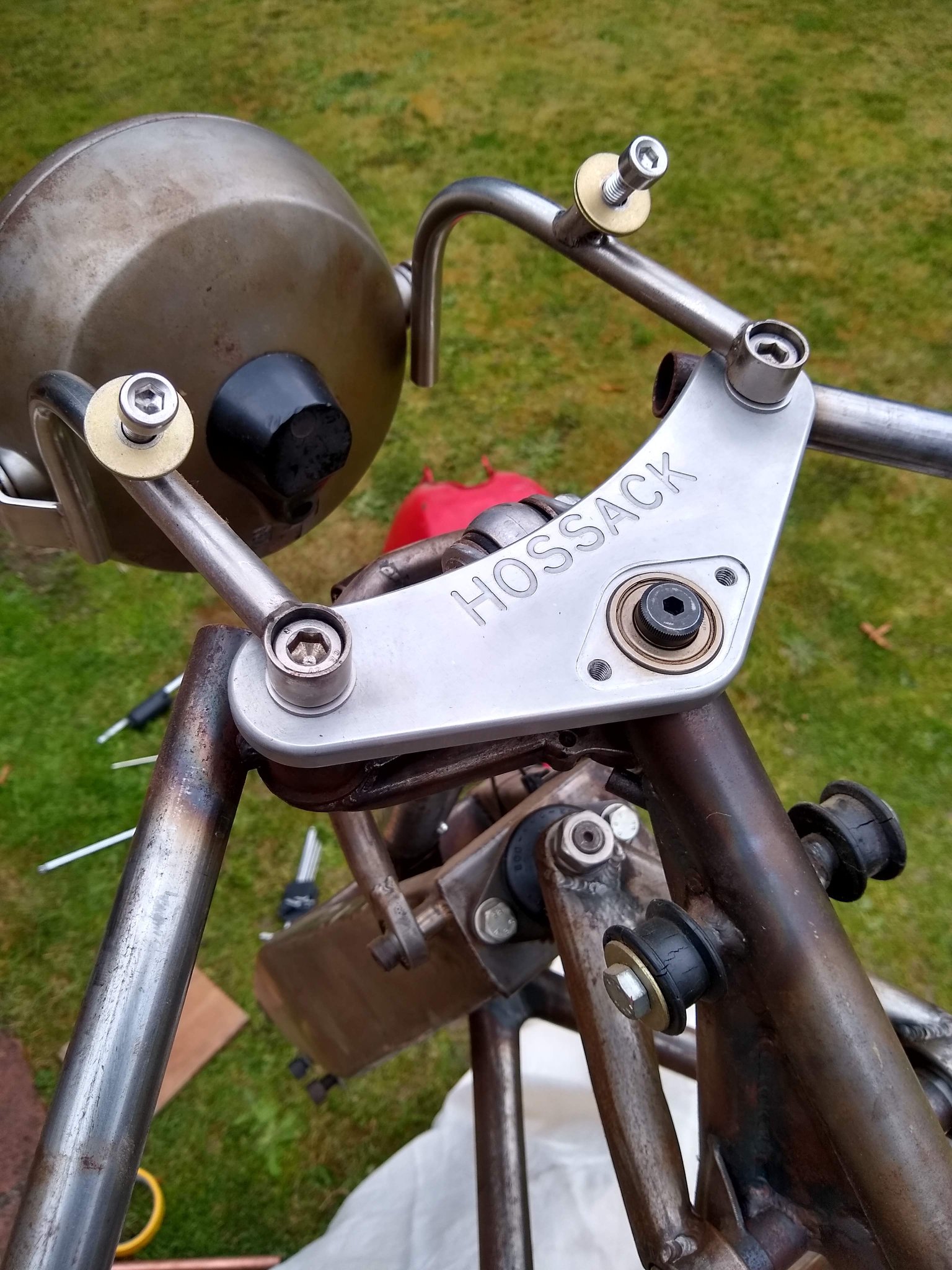 Hossack-modified
Moto Guzzi
Hossack-modified
Moto Guzzi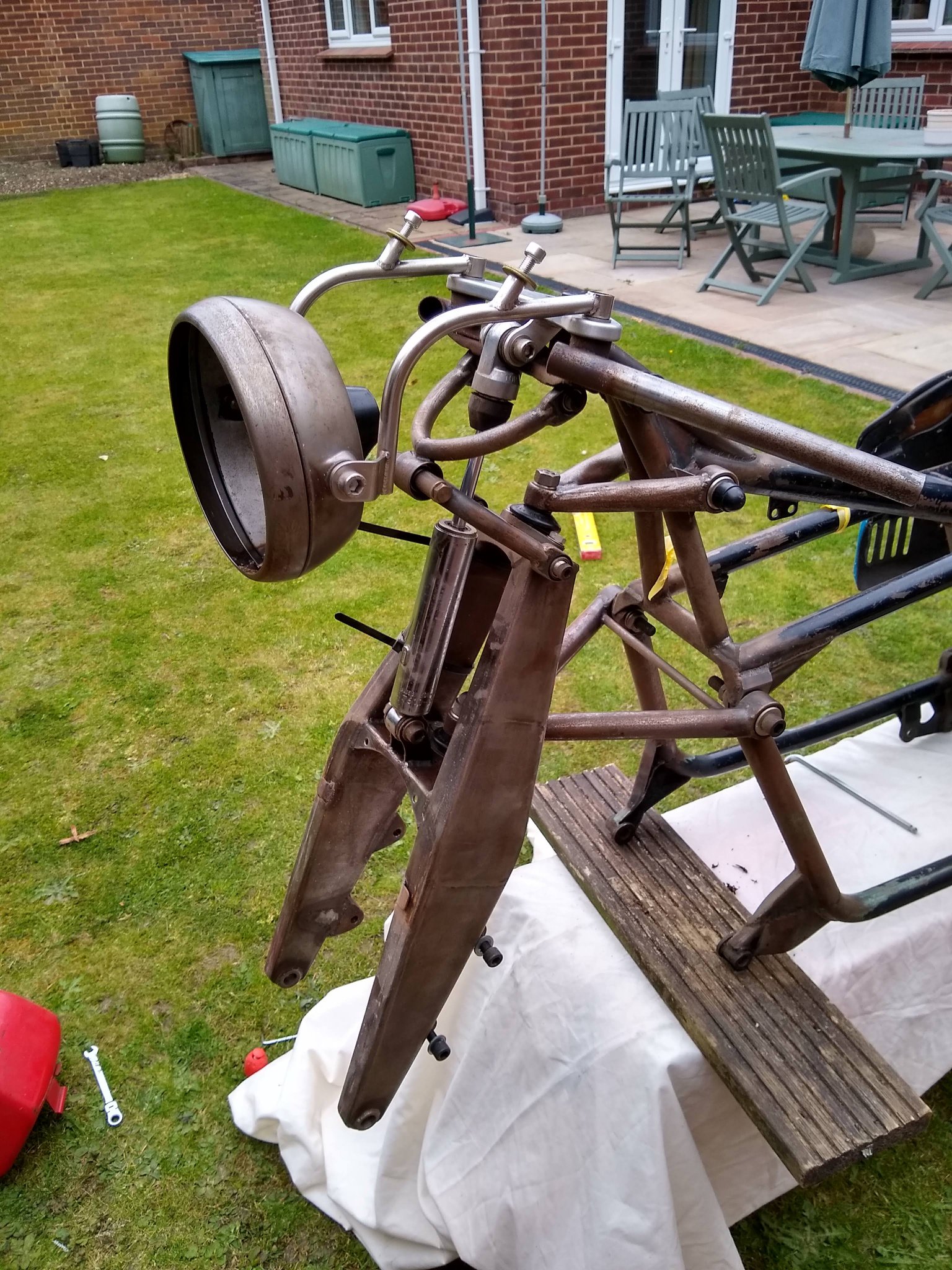 Hossack-modified
Moto Guzzi
Hossack-modified
Moto Guzzi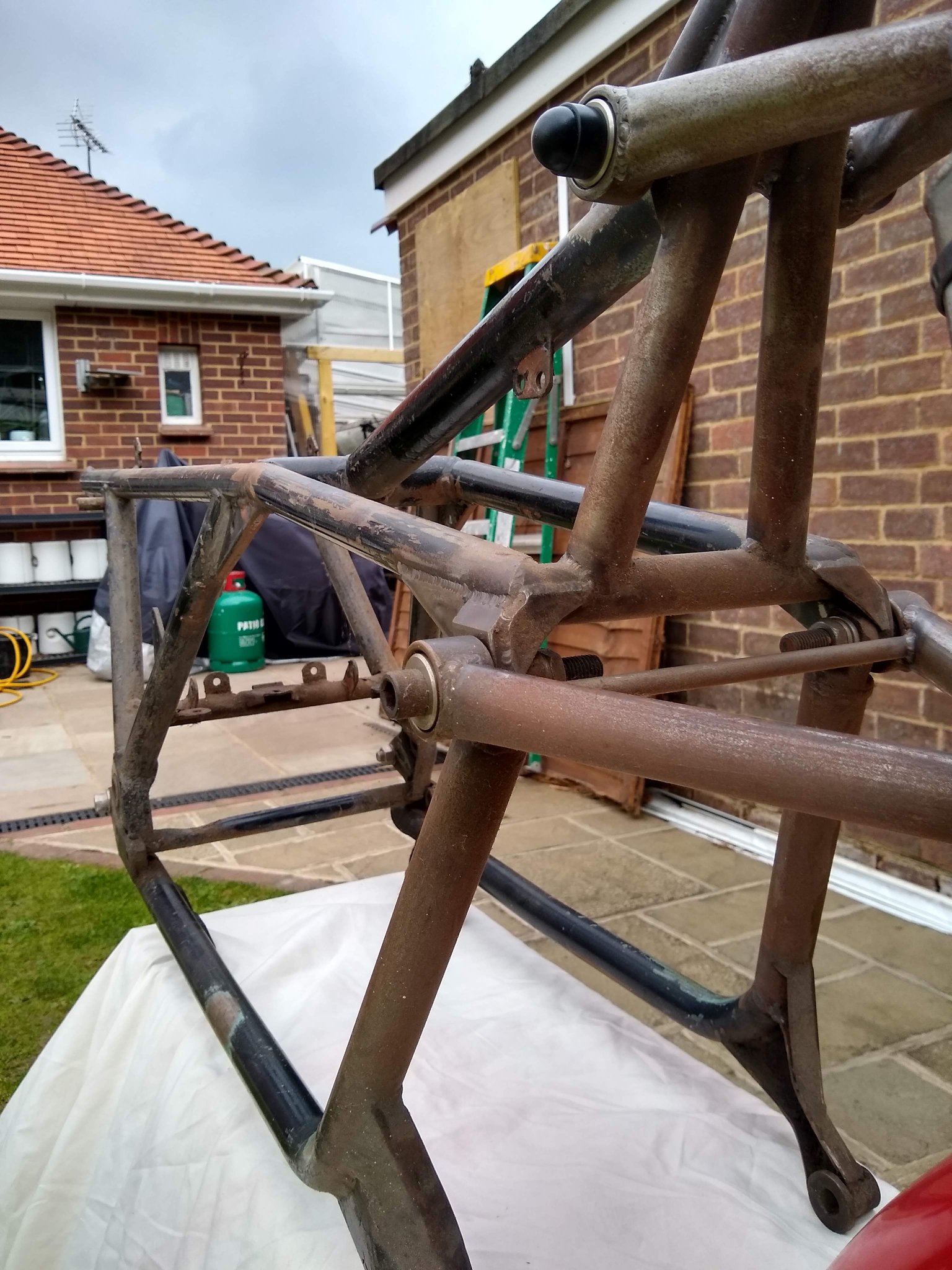 Hossack-modified
Moto Guzzi
Hossack-modified
Moto Guzzi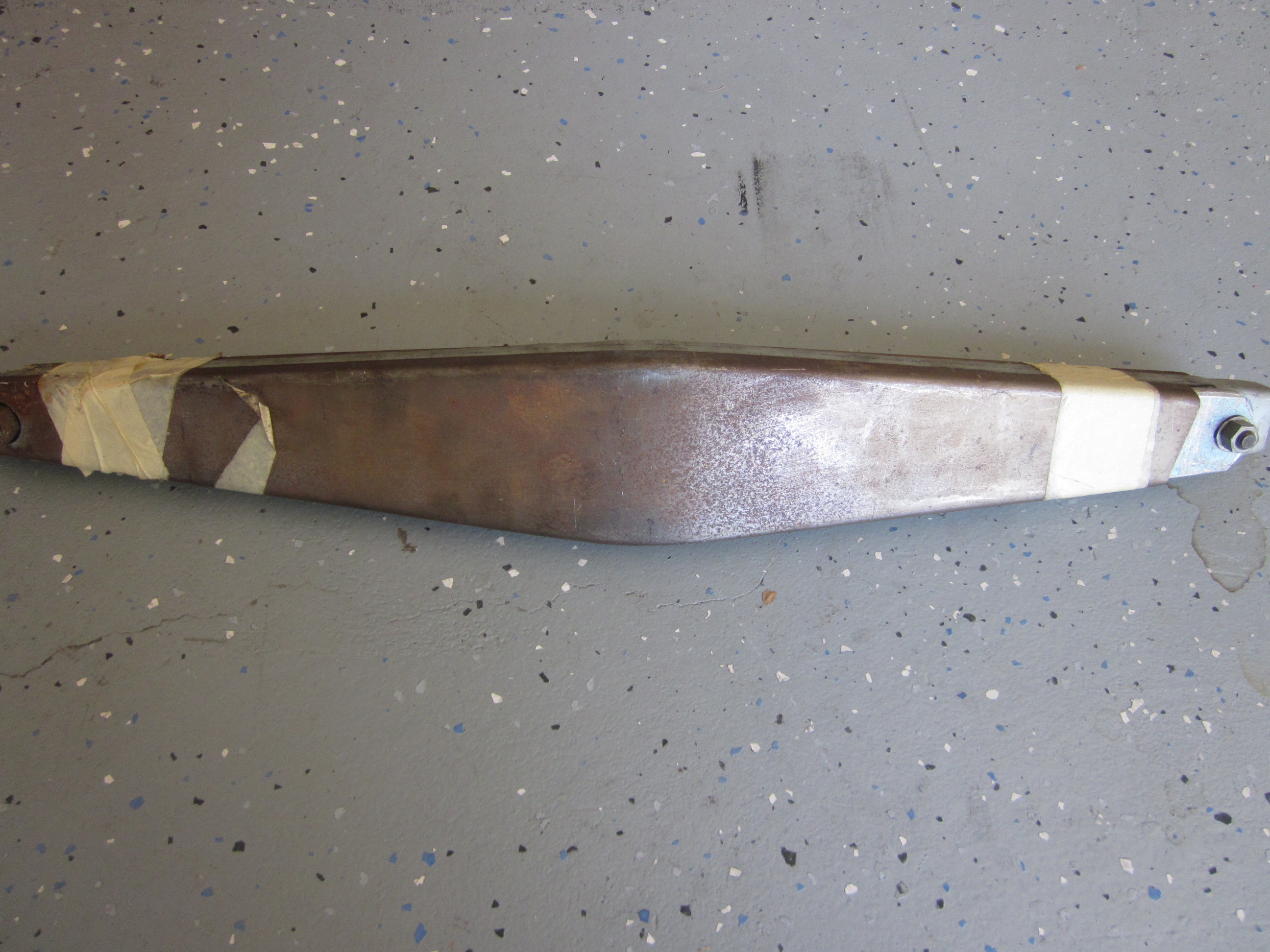 Hossack-modified
Moto Guzzi
Hossack-modified
Moto Guzzi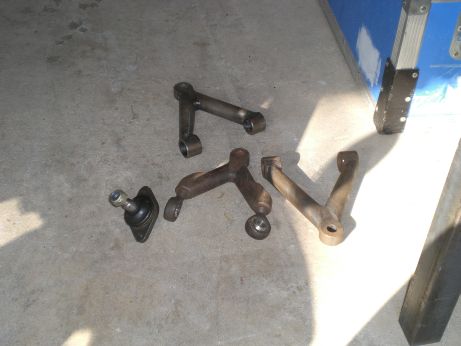 Hossack-modified
Moto Guzzi
Hossack-modified
Moto Guzzi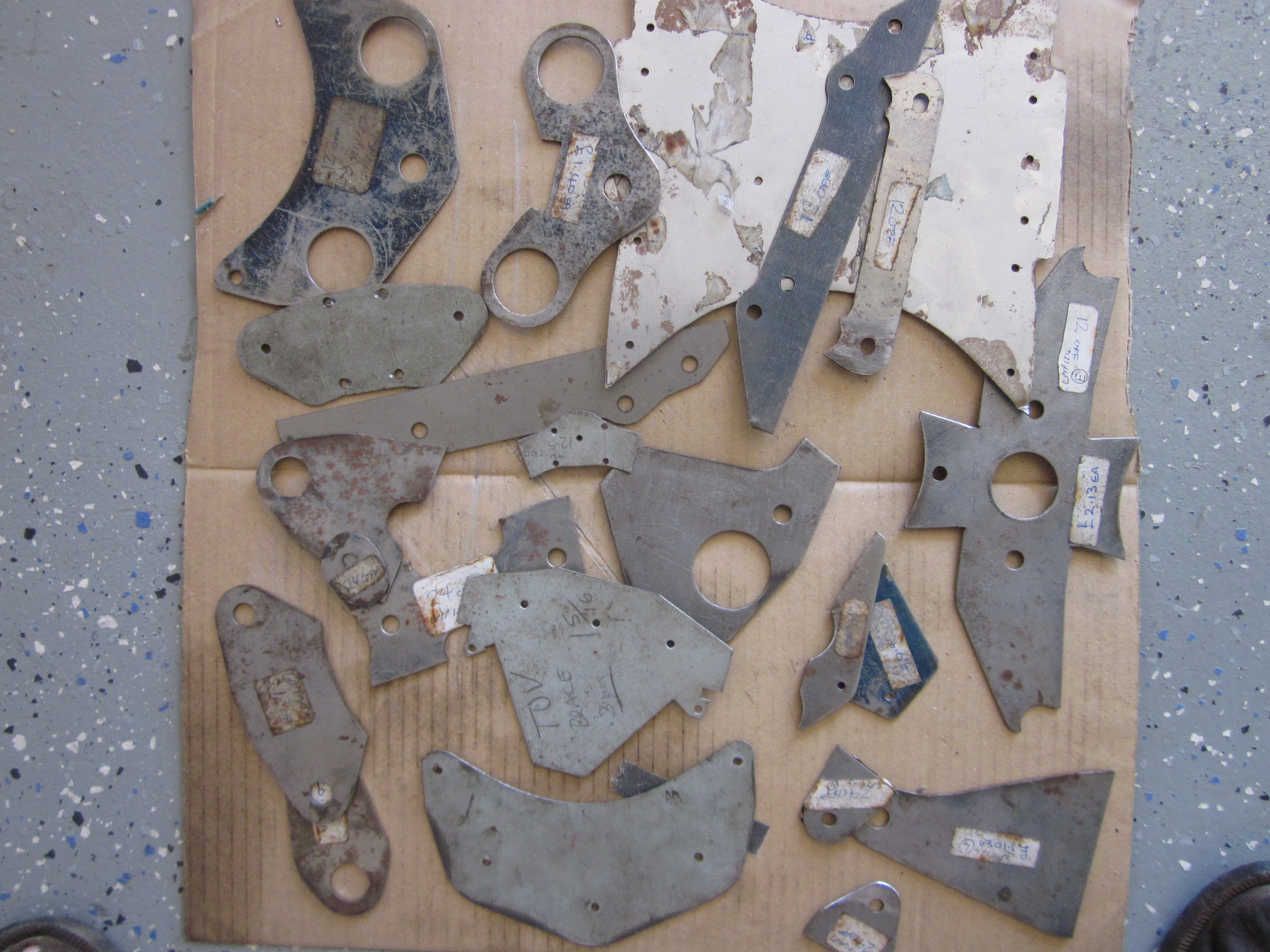 Hossack Parts
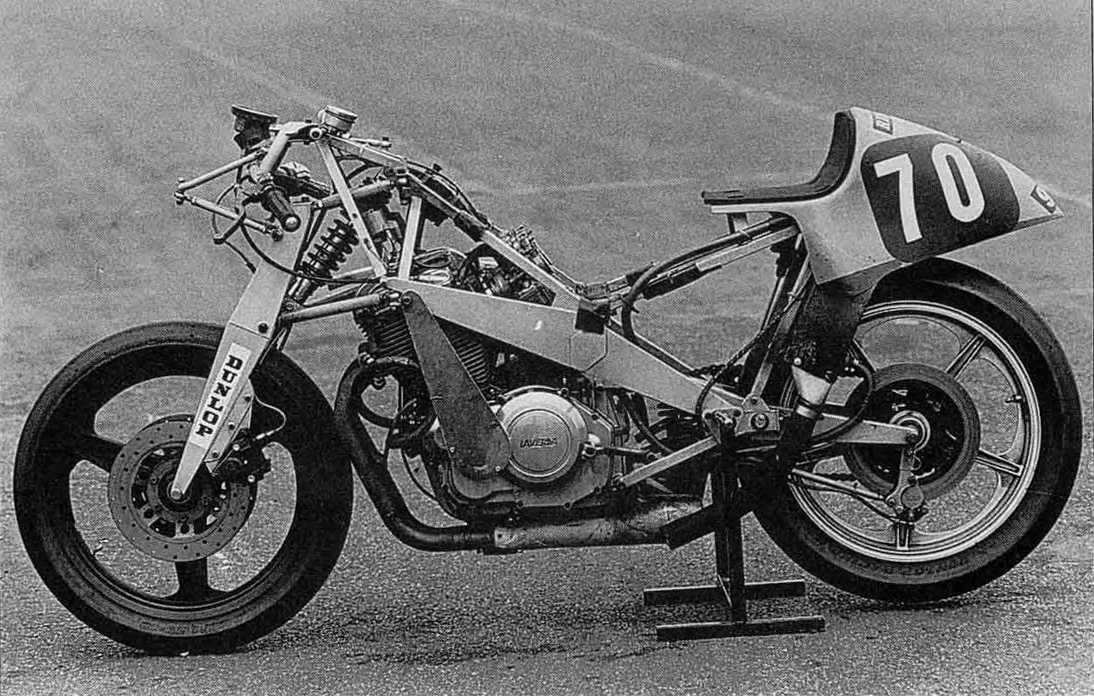 Hossack Ogier
Laverda - left side
Hossack Ogier
Laverda - left side
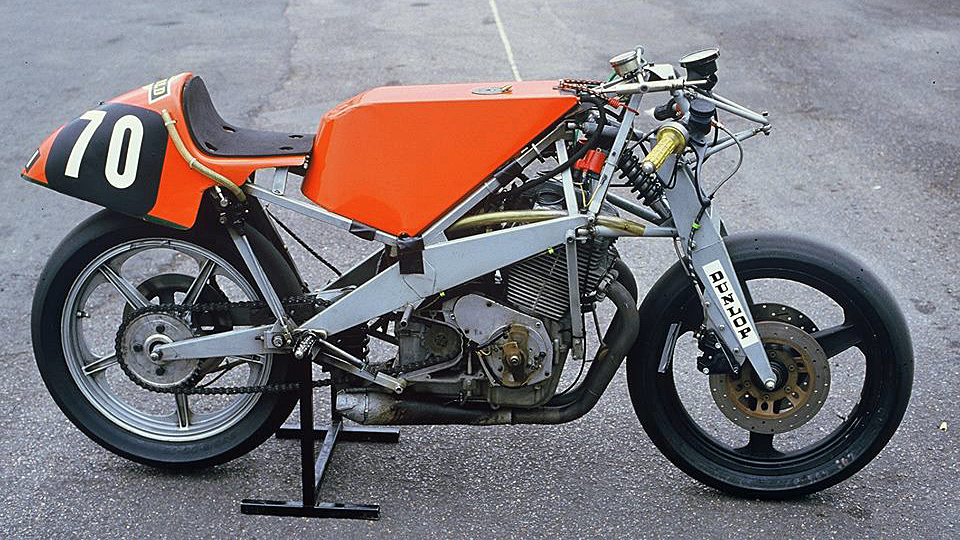 Hossack
Ogier Laverda
Hossack
Ogier Laverda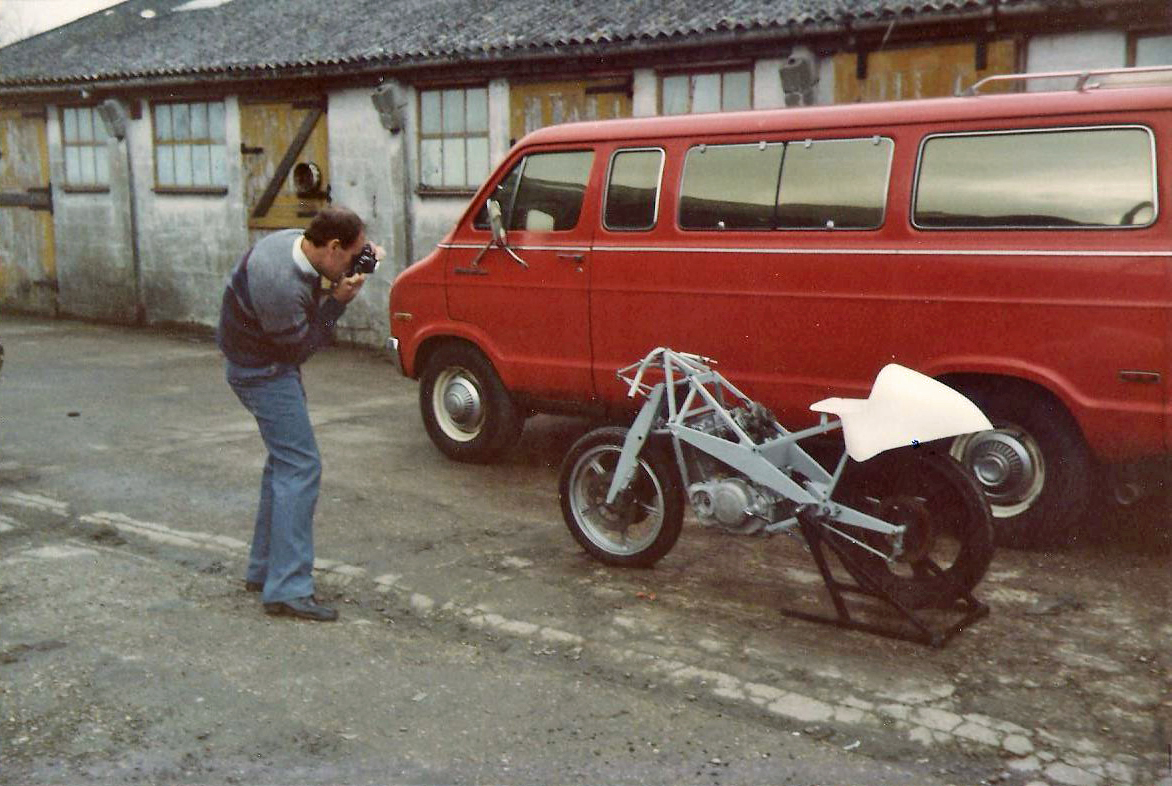 Hossack
Ogier Laverda
Hossack
Ogier Laverda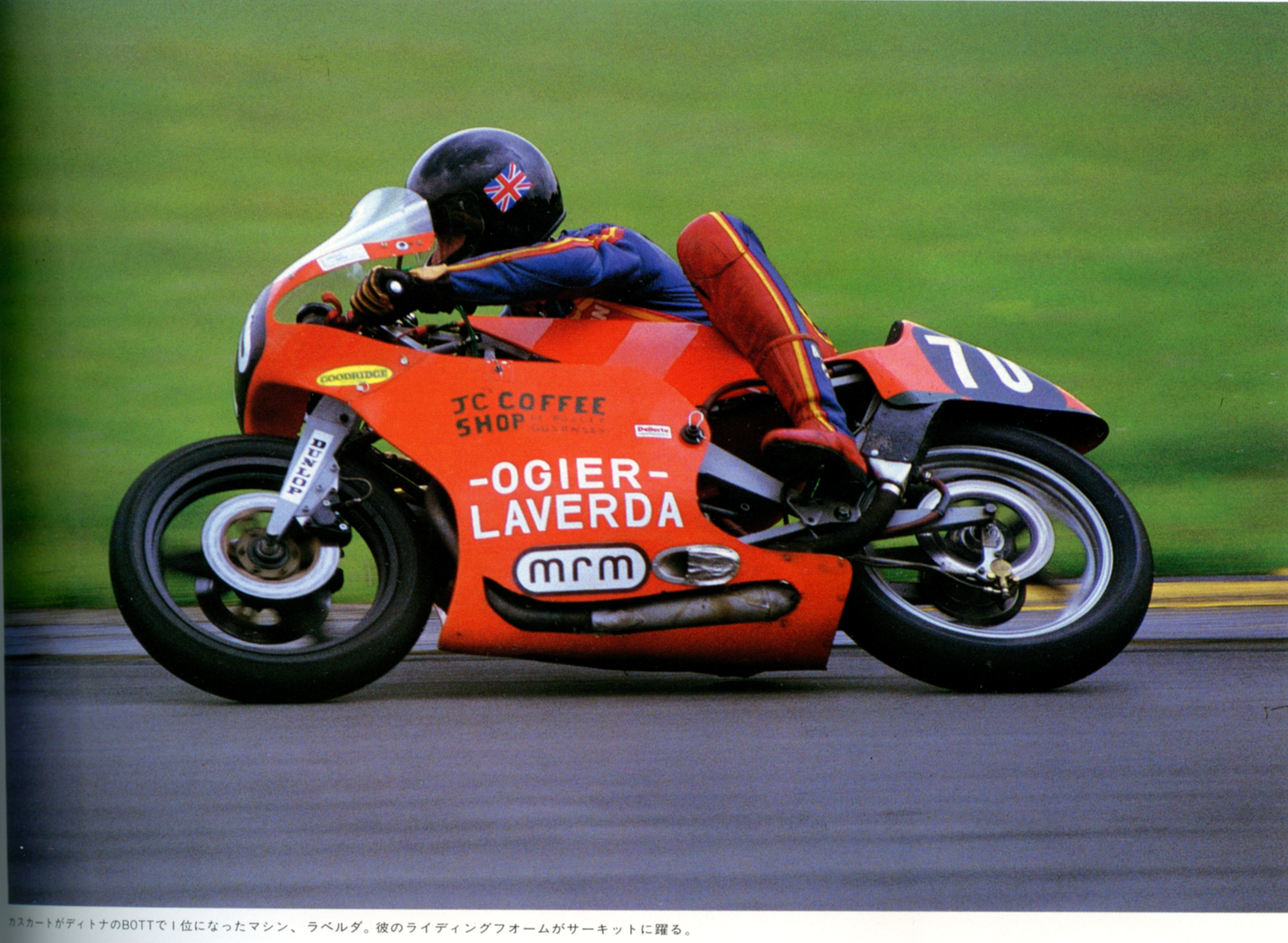 Hossack Ogier Laverda with Alan Cathcart
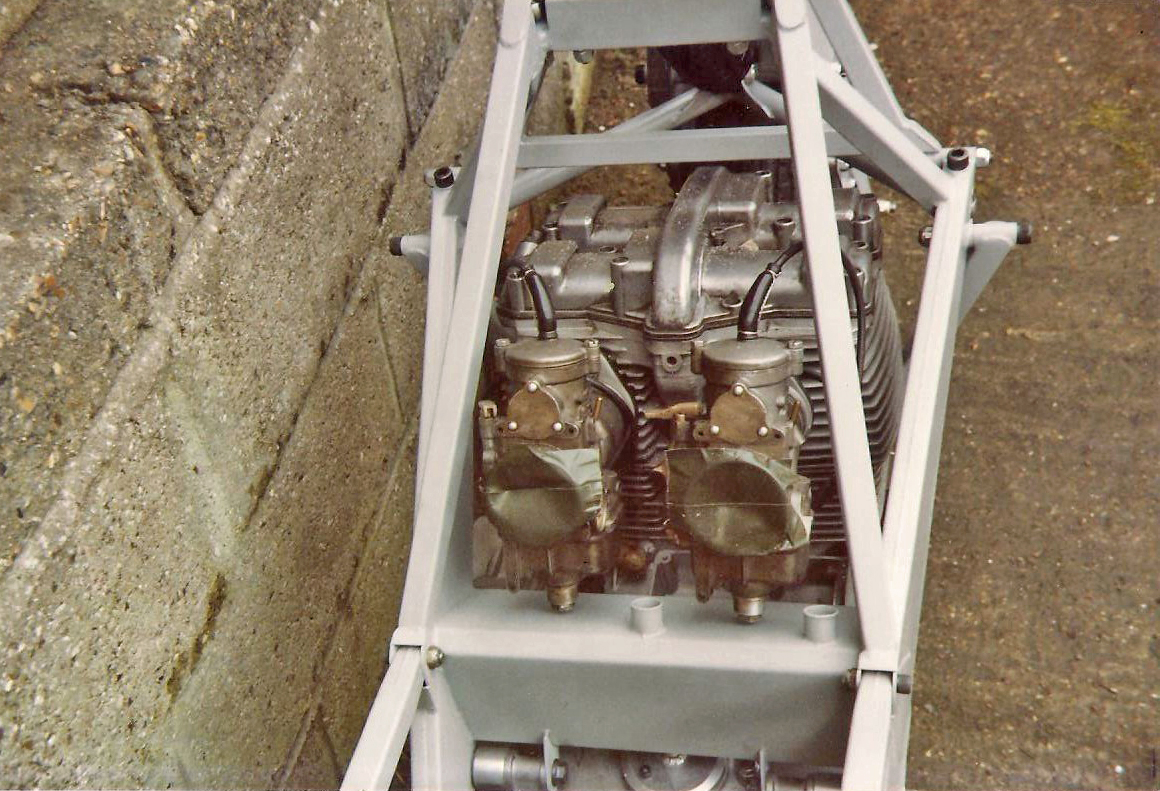 Hossack
Ogier Laverda
Hossack
Ogier Laverda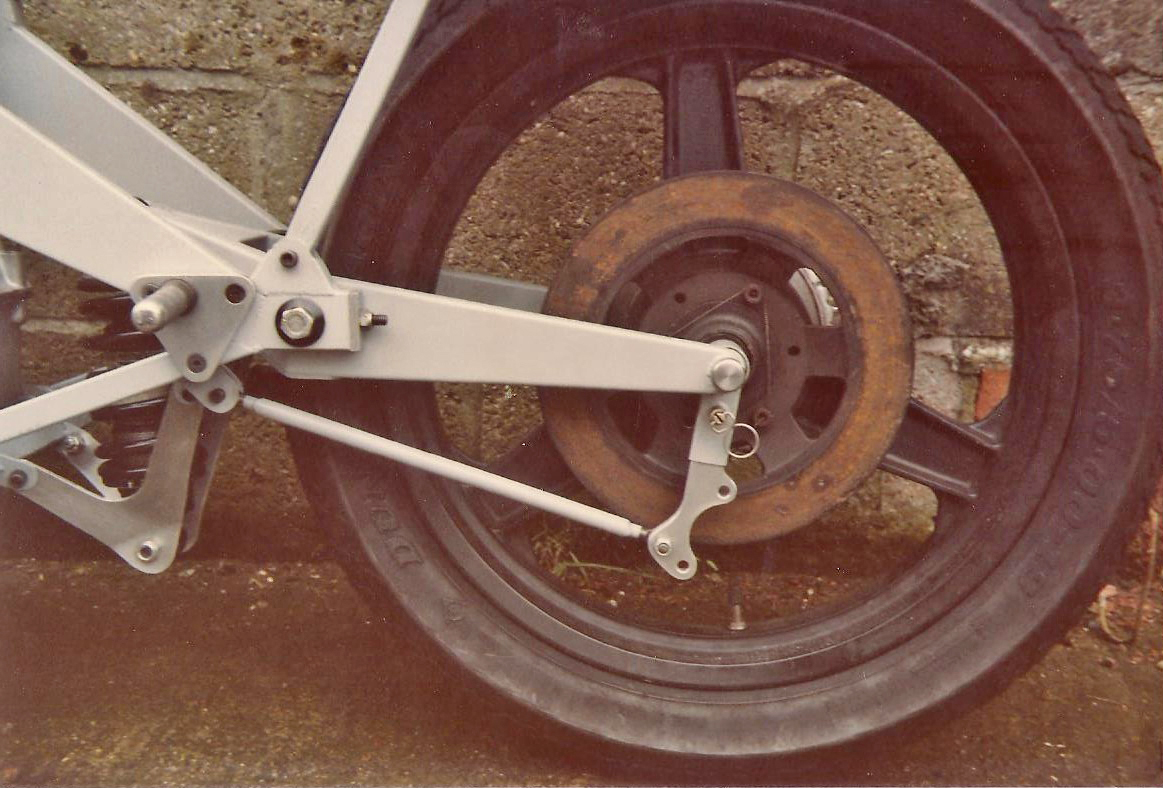 Hossack
Ogier Laverda
Hossack
Ogier Laverda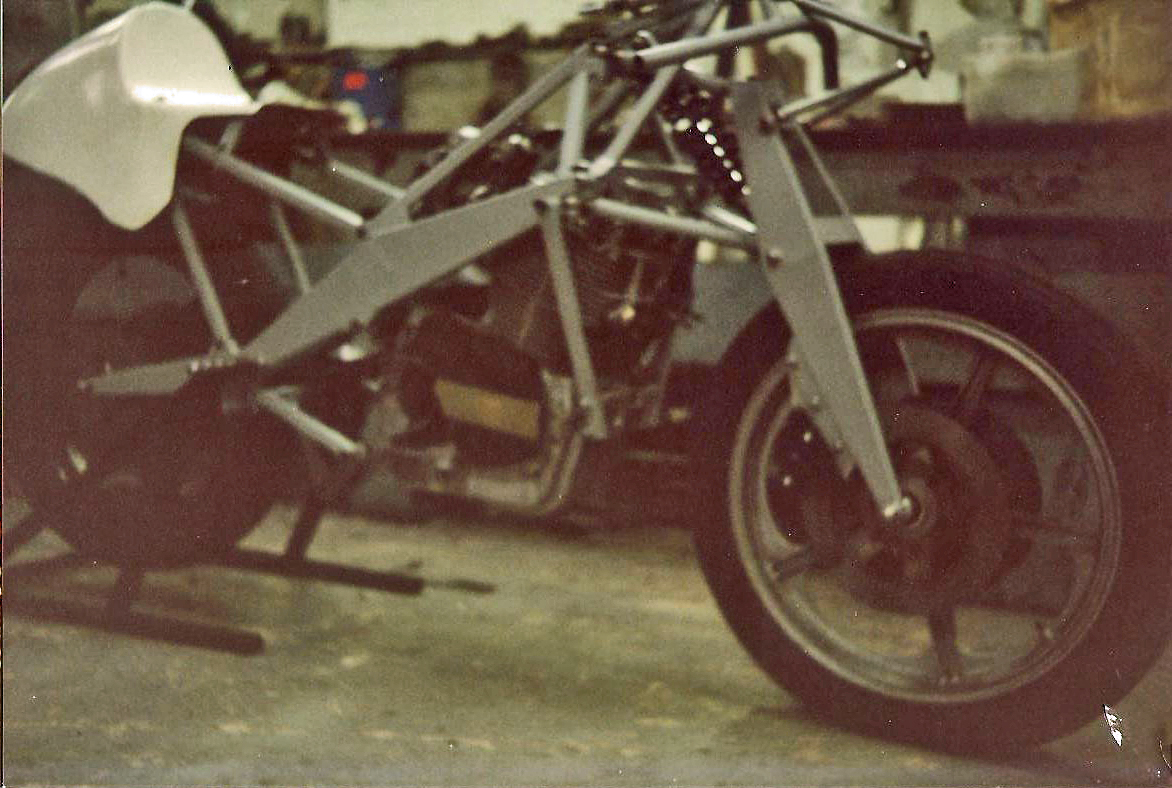 Hossack
Ogier Laverda
Hossack
Ogier Laverda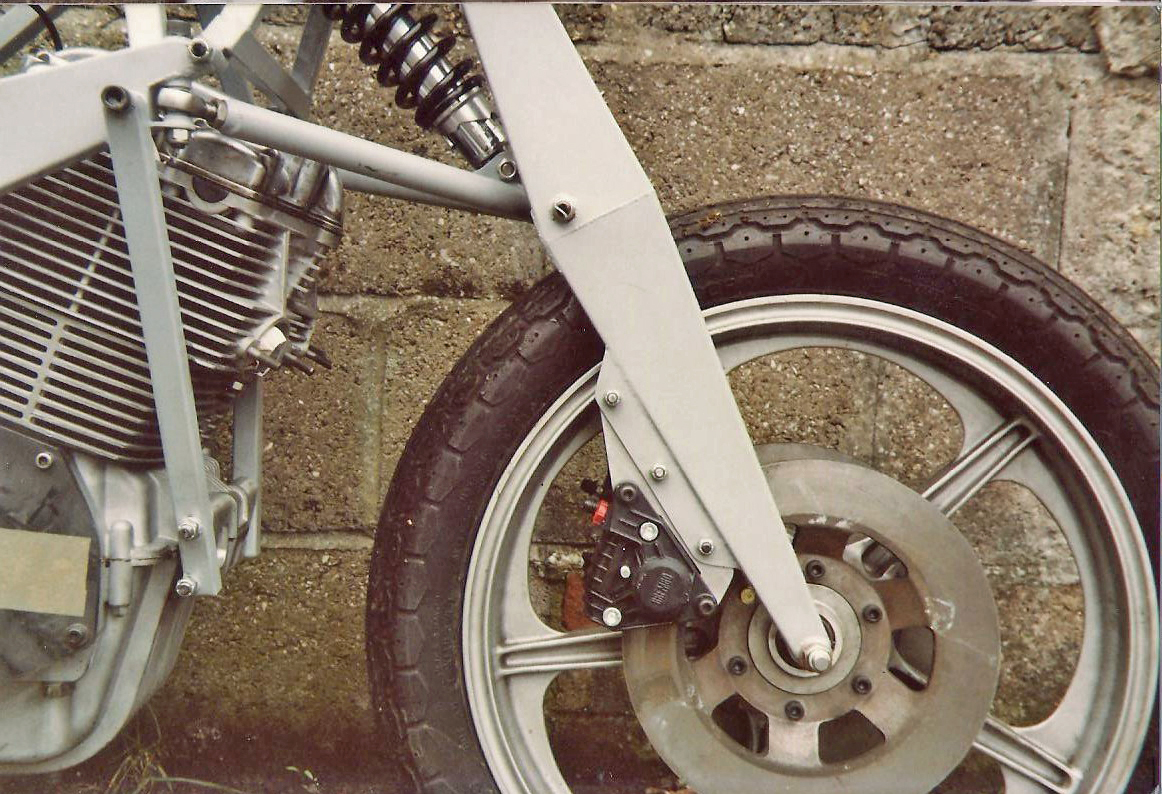 Hossack
Ogier Laverda
Hossack
Ogier Laverda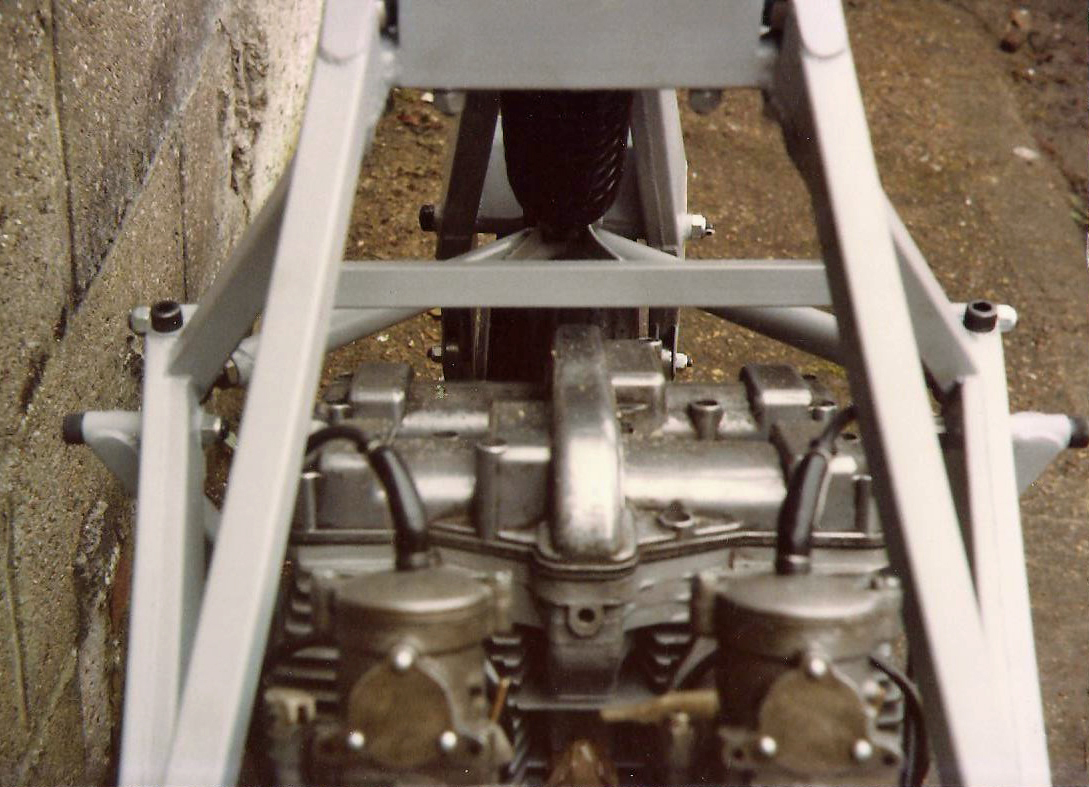 Hossack
Ogier Laverda
Hossack
Ogier Laverda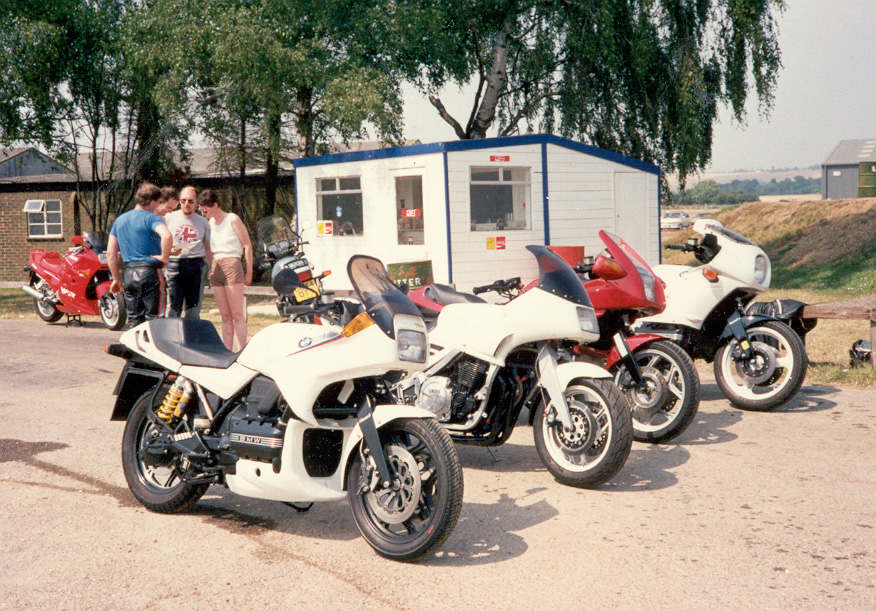 Hossack
Streetbikes at Goodwood
Hossack
Streetbikes at Goodwood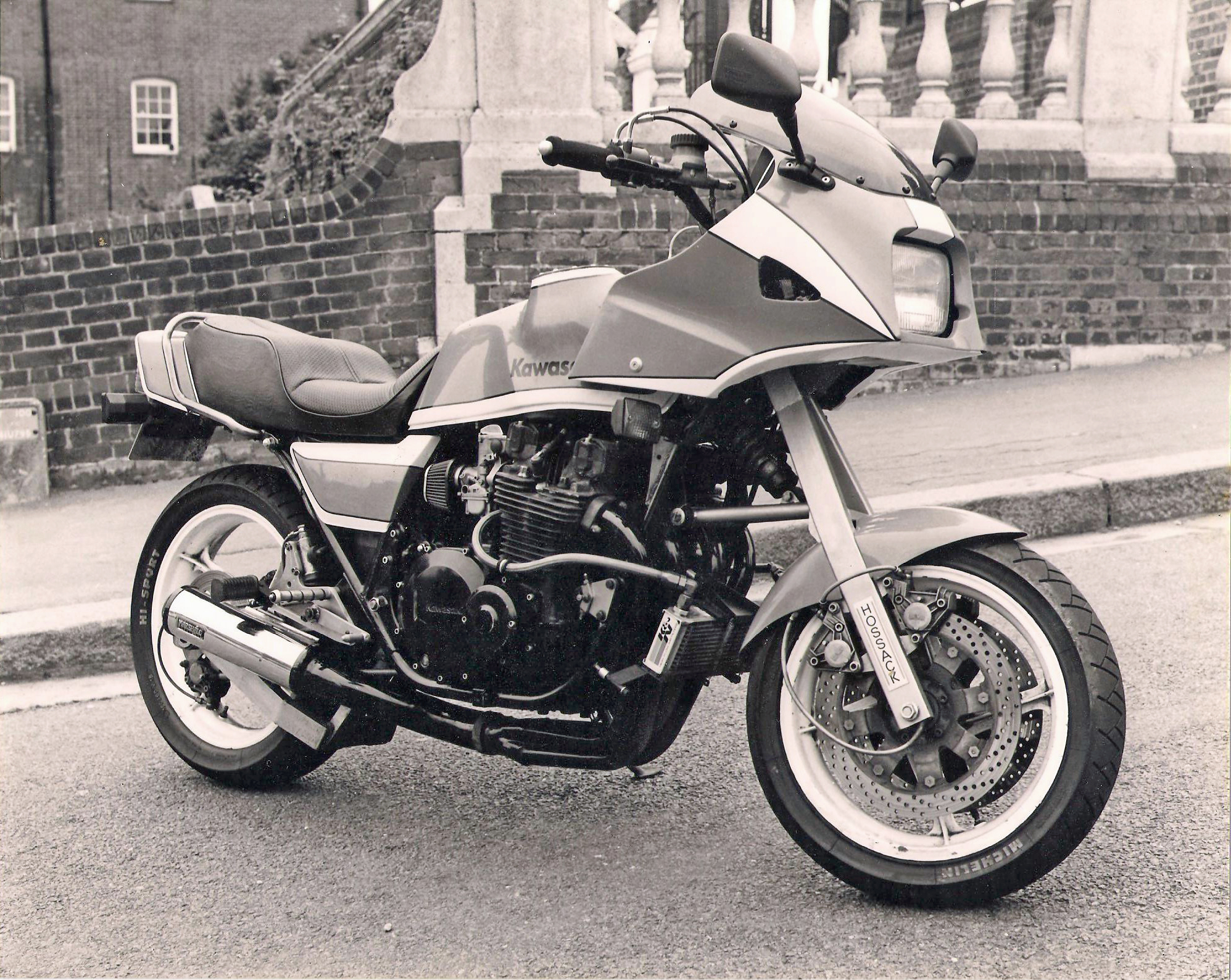 Hossack-modified
Kawasaki
Hossack-modified
Kawasaki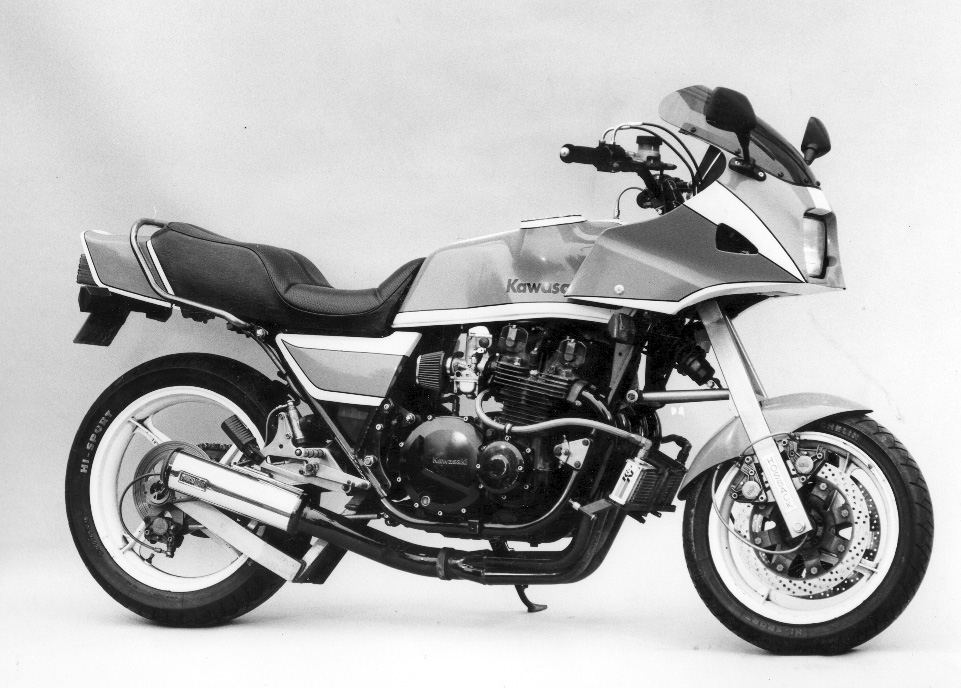 Hossack-modified
Kawasaki
Hossack-modified
Kawasaki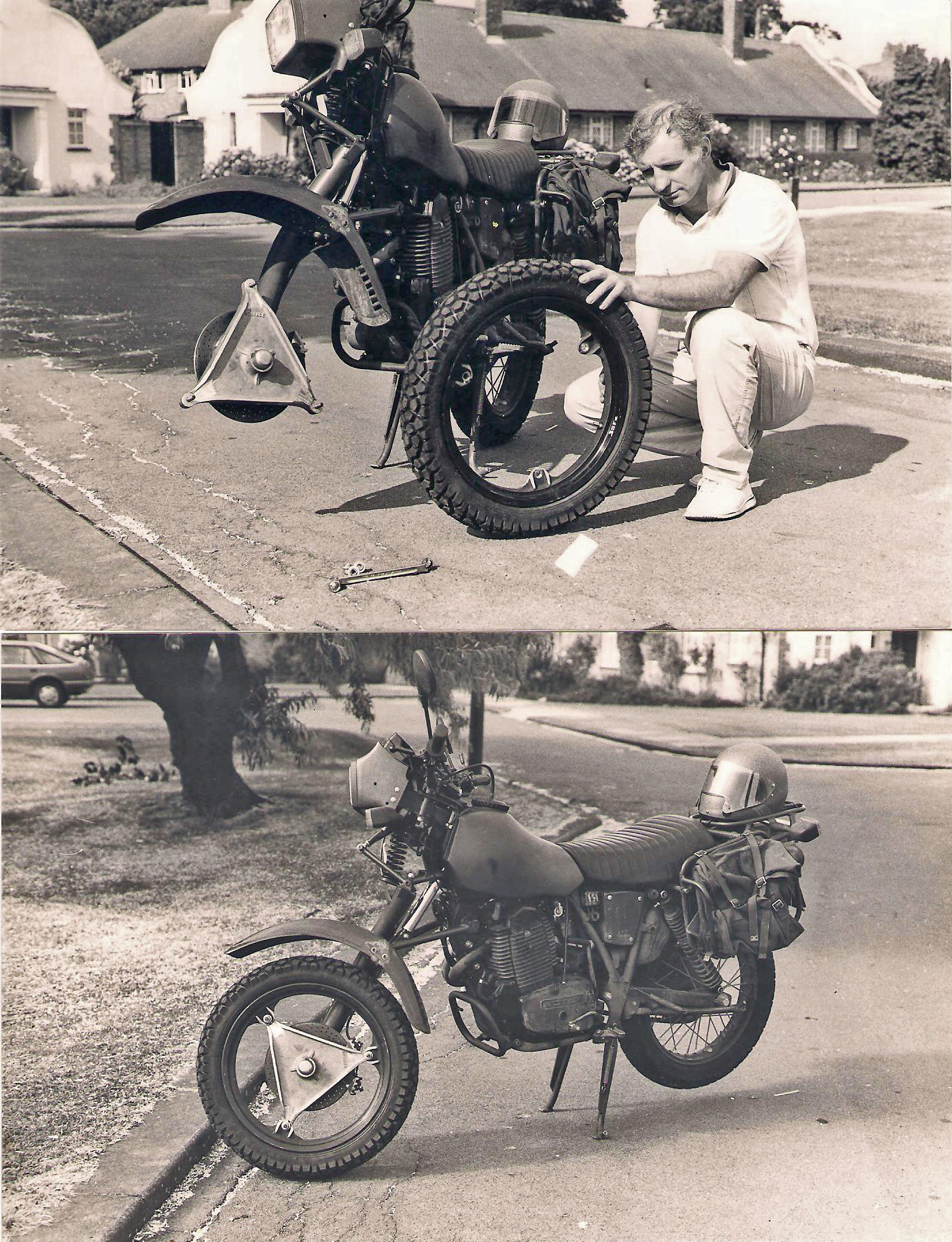 Hossack Military
Prototype
Hossack Military
Prototype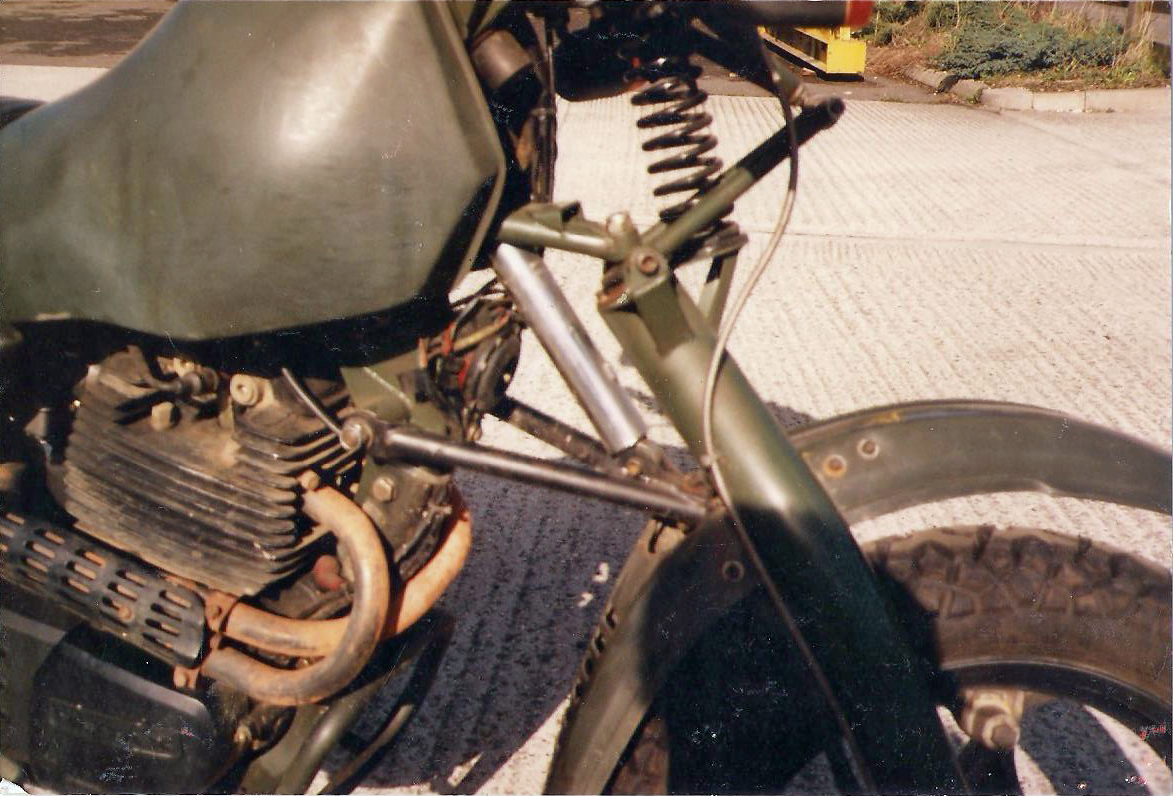 Hossack
Military Prototype
Hossack
Military Prototype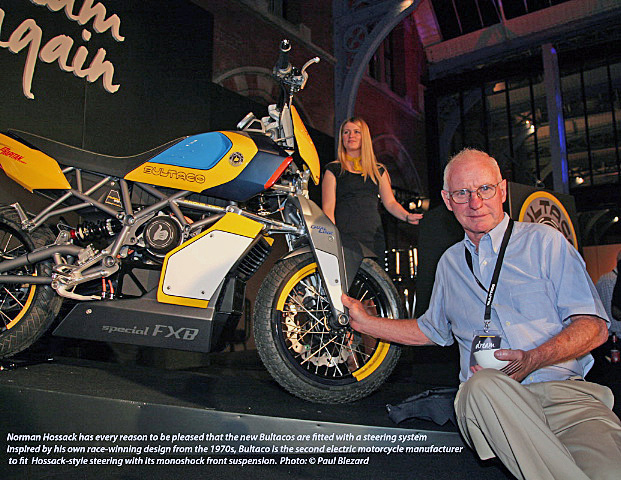 Norman
at the debut of the new Bultaco with Hossack front end, Paul Blezard
photo
Norman
at the debut of the new Bultaco with Hossack front end, Paul Blezard
photo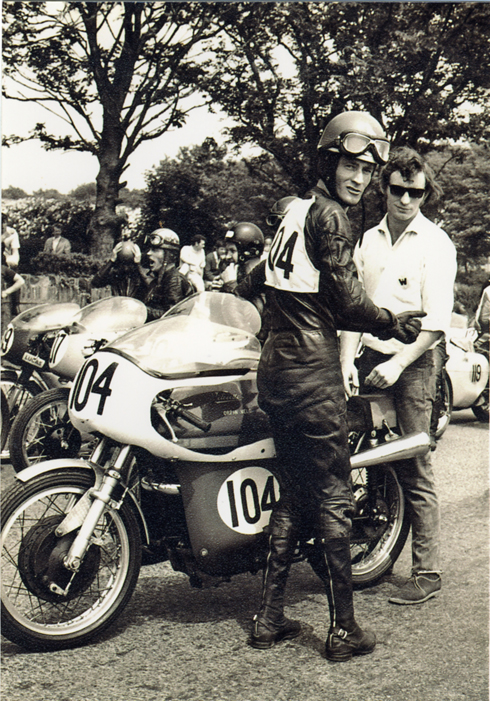 Norman at
the Isle of Man with the last-built Velocette 500 racer.
Norman at
the Isle of Man with the last-built Velocette 500 racer.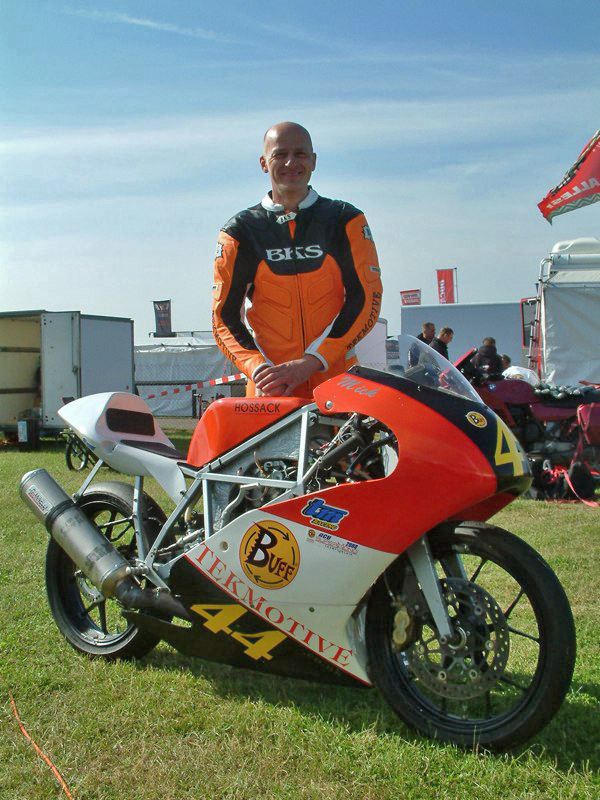 Steve
and Mick Burge Hossack TM
Steve
and Mick Burge Hossack TM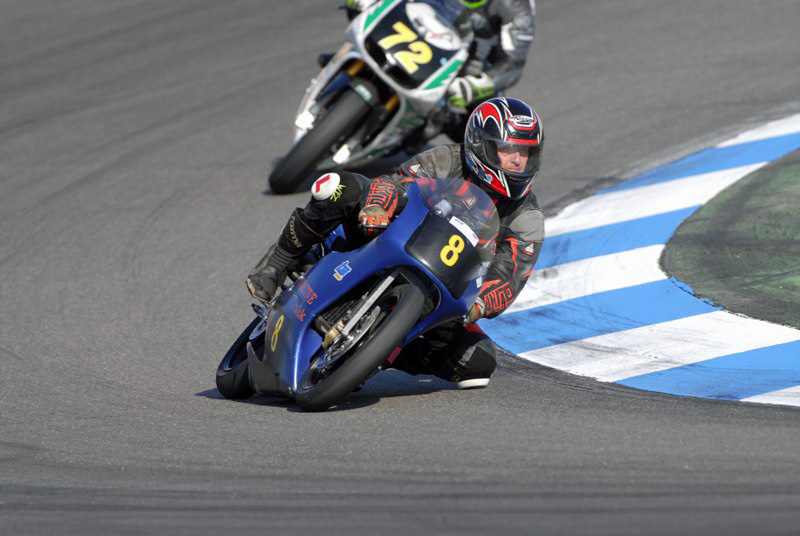 Hossack TM -- on
track
Hossack TM -- on
track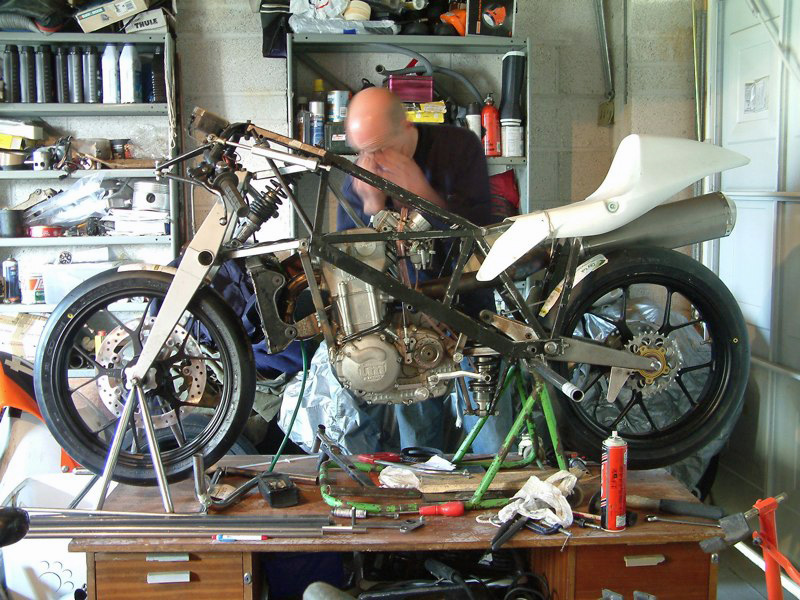 Hossack TM -- in
the garage
Hossack TM -- in
the garage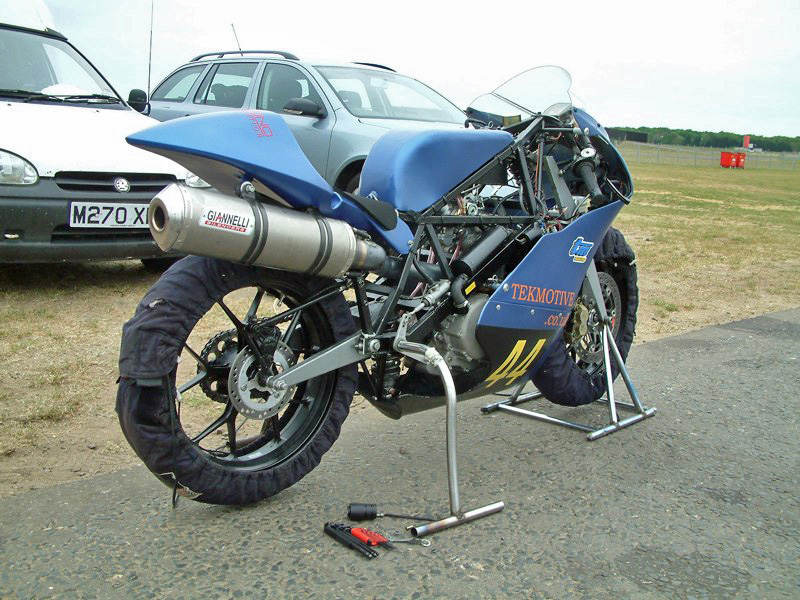 Hossack TM -- in
the pits
Hossack TM -- in
the pits
Hossack LC350 (#3)
Below
are some details of
my (Steves) pride and joy, Norman Hossacks third race bike.
Guilt and hindsight
I really wanted a Hossack back in the late 1980s when I raced singles. Norman gave me a great deal on a chassis for a single but I just couldn't afford it at the time (It was £1,200 and I earn't £3,600 a year!). I'd also only seen Vernon Glashiers bike (Hossack #1) and hadn't realised that things had progressed such a long way from that original design. It's a big regret for me that I didn't take that opportunity to support Norman (when he really needed it) with a design which I really felt was, and probably still is, the way forward.
If there had been another single cylinder Hossack to follow on from Vernons success (3 times National champion), with the easier to understand plate steel fork (many people incorrectly believe the tubular steel one on Vernons bike to be a development of the girder fork - which it isn't) , then maybe things would have been different. Sorry Norman. The fact that I was going to use the then new and under-developed (race wise) Rotax engine just makes me kick myself even harder......(Bloody hindsight!). Maybe now, with this bike, I can make amends.
#3 History
Norman designed this bike to house the abundant and popular TZ & LC 250/350 engine in 1983 to form a suitable platform for privateer riders to race in GP250, GP350, F2 and F3 classes at domestic and world level. This was his prototype/demonstrator and was fitted with a very mildly tuned road going LC350 engine so potential customers & the 'gentlemen of the press' could try it on practice days or at race meetings without the risk of engine problems detracting from the chassis experience.
Mat Oxley gave it it's first shake-down races at Brands Hatch where he scored two 3rd places and two 6ths, with a fastest lap of 54.8 seconds. Ray Knight later tested it for Motorcycle Sport (June 1984) and scored a 4th (behind 3 RG500s!) and 6th on the Brands GP circuit in an open 500cc race - having never raced a 2 stroke before. Alan Cathcart also tested it at Mallory Park and it appeared on BBC TV's 'Tomorrows World'.
It was due to recieve a higher spec' Roger Keen engine for the 1984 season which unfortunately never materialised. By 1985 the demand for replacement chassis for GP type machines had wained and this bike was sold to fund future projects. (As far as I know Norman was never building chassis full-time but fitting his projects in around his paying employment).
It was raced, and hill climbed, a couple of times over the next couple of years by Malolm Gallichan and then the engine was 'borrowed' for a hill climb sidecar outfit. The chassis spent the next 15 years taking pride of place in Malcolms living room in Jersey.
Back to the Future?
I persauded Malcolm to part with it this year (2000) with the intention of restoring it for use in Forgotten Era/Post Classic type racing. As the bike is in such good condition this should be a fairly quick job (famous last words.....). It will be great to race it against not only the TZ350s but also some of the other innovative designs of the 1980's such as the Saxon Armstrong 350, Bimota 350 GP bike, Tony Foale framed Yamahas, similar Waddons and the Exactweld.
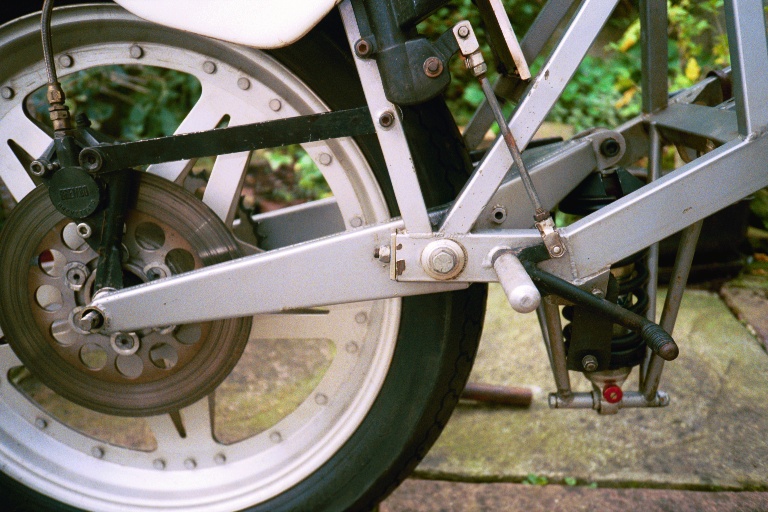
This prototype used a mild steel box tube space frame and fabricated steel front and rear forks. It weighs just 104 kg (230 lbs) as opposed to the standard TZ350s weight of 125kg (276 lb). Vernon Glashiers Hossack Honda single, which also used mild steel tubing (which, incidently, was never intended to be a complete bike but still won 3 National championships 10 years after it was built!), weighed 99kg (218 lb) with heavy, by todays standards, Astralite wheels. (We calculated that our contemporary Hossack/Rotax supermono racer, with a T45 tubular space frame, could have weighed 90kg without any exotic materials).
Is the design valid and does it have potential for the future? I think so. John Britten obviously proved the system works at the highest level and put the system in the worldwide global eye. BMW has softened up resistance to change with the Telelever/Saxon arrangement . Manufacturers must also be looking to get as much production cost back 'in-house' with the current demand for cheaper bikes. The cost of a pair of Ohlins forks, for example, must make up a fairly hefty percentage of a bikes production cost and if you can produce a cheaper alternative yourself that's got to be attractive. Predictions? I'd bet that we'll see this arrangement on a bike from a European manufacturer (the Japanese own the suspension companies after all.....) before too long. Aprilia bought up options on Claude Fiors double wishbone patents in the early 1990's and I understand that Pierre Terblanche (chief designer at Ducati) is a fan of Norman Hossacks work.
At the foot of this page there is a table which gives some details of interest to chassis enthusiasts, such as the weight of various components, weight distribution and CG height, but doesn't go as far as giving dimensions/angles for the wishbones etc as this wouldn't be very fair to Norman. I've put up some photos of the whole bike and its components in the hope that his ideas on chassis design as a whole (rather than just the front end) will be appreciated by as wide as possible an audience. That very stiff and light stub axle (with the chain adjusters on the swing arm pivot rather than the rear axle to reduce unsprung mass), for example, allows the engine to be run lower than with a conventional arrangement. The low overall CG height then has positive implications on the front ends dive/anti-dive characteristics and allows a short wheelbase without the bike trying to flip under braking and acceleration. Advanced thinking even for now, let alone 1983.
'#3' in the mid 1980's
The chassis in its current condition:
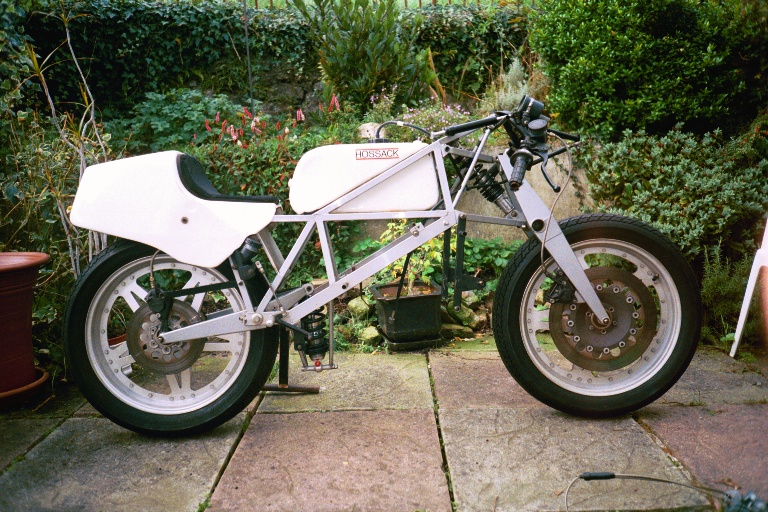


|
Weight (with oil and water) |
104kg |
| Chassis Weight | Chassis complete less engine and wheels: 30kg |
| Front Suspension Weight | Fork, both wishbones, bearings and steering linkages: 2.8kg (Comparable forks weigh 14kg) |
| Rear Suspension Weight | Swingarm, bearings, brake caliper & torque arm: 2.35kg (Most aluminium ones weigh 4 to 5kg) |
| Front Tyre | 3.5/18 on Astralite wheel (11kg including disk) |
| Rear Tyre | 5.00/18 on Astralite wheel (13kg including disk and sprocket) |
| Front Damper | Koni, twin tube type, progressive spring, 3 preload settings, 4 damping settings. Weight 1.55kg. |
| Rear Damper | Spax, twin tube type, linear spring, screw type preload, 12 damping settings. Weight 2kg. |
| Front brake | Single Brembo twin piston caliper (0.7kg) and 320mm floating disk |
| Rear Brake | Single Brembo twin piston caliper (0.7kg) |
| Weight Distribution |
Don't know yet |
| CG Height |
Don't know yet |
| Rake | 24 to 27 degrees (adjustable) |
| Trail |
Don't know yet, (adjustable) |
| Wheelbase | 1300mm - Constant throughout suspension travel. (which is halfway between a modern 125 and 250 gp bike) |
| Ratio of Sprung to Unsprung mass |
69% to 31% |
| Ratio of Sprung to Unsprung mass, with 80kg rider |
82.4% to 17.6% |
Norman is also
considering offering copies of the complete set of his original
drawings used to build our bike.
Norman
designed this bike to house the popular TZ & LC 250/350 engine in
1983. It was intended to form a suitable platform for privateer riders
to race in GP250, GP350, TTF2 and F3 classes at domestic (UK) and world
level. This was his prototype/demonstrator and was fitted with a very
mildly tuned road going LC350 engine (1mm off the exhaust ports
and the reed stops bent back is the only tuning) so potential customers
& the press could evaluate it without the risk of engine
problems.
Mat
Oxley gave it it's first shake-down races at Brands Hatch where he
scored two 3rd places and two 6ths, with a fastest lap of 54.8 seconds.
Ray Knight later tested it for Motorcycle Sport (June 1984) and scored
a 4th (behind 3 RG500 racers) and 6th on the Brands GP circuit in an
open 500cc race. Ray had never raced a 2 stroke before. Alan
Cathcart also tested it at Mallory Park and it appeared on BBC TV's 'Tomorrows World' & as
part of an article in Autosport.
It
was due to receive a higher spec' engine for the 1984 season which
unfortunately never materialised. By 1985 the demand for replacement
chassis for GP type machines had dropped and this bike was sold to fund
future projects. It was raced, and hill climbed, a few times over the
next few years by its new owner, Malcolm Gallichan.
Back to the Future?
I
managed to persuade Malcolm to part with it in March 2000 and collected
it from Jersey in September. The bike was stripped & rebuilt
over the winter for use in Post Classic 'Superbike' events.
Now
fitted with a Manchester Motorcycles' TTF2 LC engine, developing 74bhp,
the bike 's power is comparable with a good TZ350, pulling a stunning
160mph at Snetterton!
This
prototype has a mild steel box tube space frame and fabricated steel
front and rear forks. It weighs just 104 kg (230 lbs).
Does
it work? I should say so!
The
bike has a really predictable, solid feel with lots of feedback. After
racing it for the first time most people are surprised to find that
they weren't even thinking about the chassis, rather concentrating on
getting the most out of the engine and their racing. Nick Allison, on
his debut ride on the bike, set the fastest lap whilst pulling
through from 10th to lead a field of TZ750/350 & 250s, 4 stroke F1
machines at a slippery Cadwell Park.
Other
racers competing with Michael at CRMC meetings in 2003 have been
stunned at how fast he can get into a corner on a tight line and still
turn and make the corner.
We
ran the same set of tyres for 2 seasons and they were barely scrubbed
in. We replaced them for 2003 because they have gone hard before being
worn out and these have now done a full, hard, championship season with
plenty of life left - the chassis seems very kind on tyres.
The
wheelbase, weight distribution and geometry of this bike are
contemporary with those of 250GP bikes through the 1990's, but were not
for 1983.
Normans
3 main considerations were:
·
Structural
Stiffness
·
Constant
Wheelbase
·
Low
Centre of Gravity
Think
of these considerations and 'F1 car'
design (Norman worked for McLaren in the 1970's building Indy Cars) and
the design makes plenty of sense.
Vernon
Glashiers Honda powered racer was the
very first prototype Norman built and although it was never designed to
even take an engine it still won the last of Vernons three
National Single Cylinder Championships when it was 13 years old.
Staggering.
Our
bike was only his third, so when compared
with the 50 years of evolution that telescopic forks have had then
Norman’s machines were at a pretty advanced level first time out.
We've
had a good 'debut' season with the UK's Classic Racing Motorcycle Club, which
opened up it's Post Classic classes to cater for TTF2, Sound of Singles
and Battle of the Twins racers built before December 1986.
We
put a full championship season together, with our main focus being to
raise the profile of this bike whilst promoting Normans ideas to as
wide an audience as possible. The knowledgeable interest shown in the
bike at CRMC and the Mallory Park Post TT meetings makes this all
worthwhile.
My
brother Michael races the bike in the Post Classic Group 2 class. Group
2 is the home of big hitting TTF1/F2 type machinery such as P&M
Z1000's, Harris Magnums and other rare exotica such as Stephen Wall's
ex-works XR69 Suzuki F1 bike. If there were a motto for this class it
would be "Horsepower Rules". Bike must have been built before Dec 1986.
Why
aren't we with the GP bikes? Hossack #3 was built as a
prototype/demonstrator over the winter of 1982/3. It was designed to
house a range of engines, including the TZ250/350, tandem twin Rotax
and the LC250/350 then so popular in TT F2 & F3 classes. However,
as a demonstrator it needed to be reliable and allow the tester (or
potential customer) to explore the handling of the chassis without
worrying about the engine. In addition, Norman simply did not have the
funds to buy or run a TZ350 motor. He certainly couldn't stretch to a
Manchester engine, which at the time cost a cool £2,500.
So,
we run an LC motor because it's what the bike was built with and
because if we did fit a TZ engine we still couldn't run with the
Group 1 machines as the bike is too new for that class.
Having
chosen this route it seemed logical to try and obtain a good, fast LC
motor and explore the potential of the whole package and perhaps get an
idea of what might have been. I heard a rumour in 2001 that Neil
Tuxworth had the essential parts of an ex Bob Heath Manchester LC
engine for sale. This really would be the perfect match. Arnie
Fletcher, who developed the Manchester LC engines, is a similar sort of
engineer to Norman. His motors are not tuned, as such, they are
painstakingly re-engineered from the ground up to liberate the
potential in the original design. They are all about elegant efficiency
and most of the components look like they should really be on display.
They all develop 74bhp @ 10,750rpm.
Michael
has really been getting the hang of the bike through the season and has
been getting faster and more consistent as it has progressed. The big
thing we still have to focus on is the first lap. The big four-strokes
get off the line much better and generally lead into the first corner
pretty much everywhere. From then on the smaller 2 strokes are playing
catch-up and have to deal with most of the ‘diesels’ before getting on
terms with the leaders....which is usually James Clark.
Equal
4th in the championship isn't bad for our first year with the club. It
could have been better for a couple of mechanical DNF's (broken clutch
plates at Pembrey and a snapped chain at Snetterton) and a couple of
crashes (Highside at Mallory and brake failure at Lydden
hairpin....very scary). So we'll work on our consistency for next
season too.
One
thing we can't do anything about is that the big 4 strokes run wheel
rims wide enough to allow 17" radial, supersport 600 race tyres. We can
only run Avon 18" crossplies. The class front runners reckon they go
1.5 to 2s per lap quicker with the newer tyres fitted. As Michael is
usually only a second off the race fastest lap.....................?
If
Michael had been in the GP based Group 1 class the top results would
have been:
1.
Michael
Burge (Hossack Yamaha 350) 242pts
2.
Paul
Allender (Scitsu 500 ) 227pts
3.
Mark
Carkeek (TZ350) 221pts
4.
Lea
Gourlay (TZ/Rhingini 350) 200pts
5.
Jason
Burch (TZ350) 179 pts
6.
Clive
David (TZ/Manchester 350) 127
7.
Richard
Parker (TZ350 )111pts
8.
Andy
Mahon (TZ350) 96pts
As
both Hossacks 1 and 2 were championship winners that's one heck of an
effective design Norman!
As always we'd like to say thanks to Tekmotive for their help with tyres (we still haven't worn them out!) but also especially to Vernon and Helen Glashier for their encouragement, help and support all season (sorry we didn't get that win. Next year perhaps) and to all the other riders, friends, marshals, spectators and club officials we've met through the year who make motorcycle racing such a special sport (and happen). Hope to see you all safely next year.
http://www.eurospares.com/hossack.htm
©
2017-2019 Michael Moore, last update for this page 30 July 2019